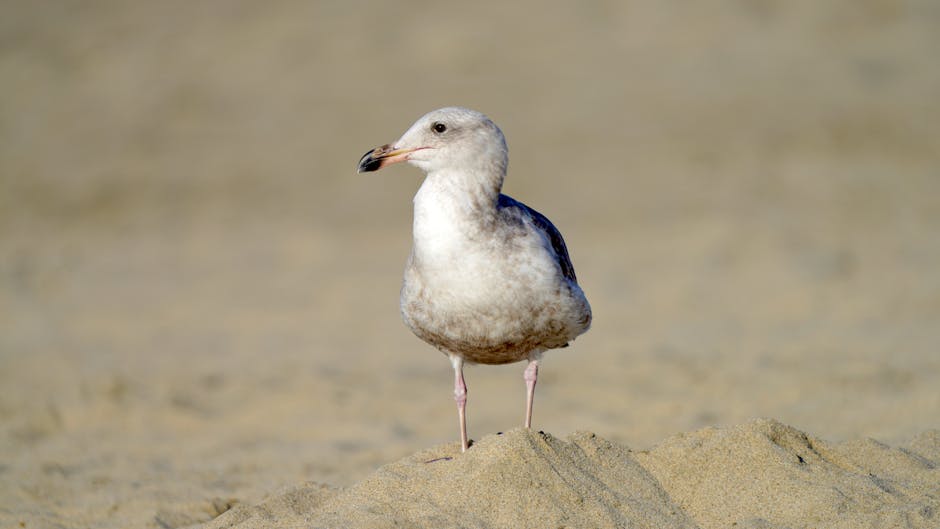
Often spotted hovering above the Great Salt Lake, Utah’s State bird – the California Gull (Larus californicus) – is an emblem of Utah’s heritage. Unlike its name suggests, the California Gull is not limited to the Californian coast, but is widely distributed across western North America, and has a particular affinity for Utah. It’s physical appearance – a medium-sized gull with grey back and wings, white head and chest, and black wingtips decorated with white spots – sets it apart from other gulls. Given an average lifespan of 20-25 years, the California Gull is a resilient creature known for both its longevity and adaptability.
Key attributes of the California Gull include its social behavior, observed in the way it often forages and nests in colonies. The species follows a pattern of semi-annual migration, returning to the same spots each year for nesting. The California Gull has an omnivorous diet, mainly consisting of insects, fish, eggs, and sometimes even human food waste.
Did You Know? The California Gull, in the mid-19th century, saved Utah’s crops by eating up a plague of crickets. This act earned it the title of Utah’s state bird!
In the defining history of Utah, the California Gull has played a substantial role. During the late 1840s, when the Mormon pioneers were confronted by a devastating wave of crickets destroying their crops, it was the California Gulls that swooped down and gorged on the crickets, saving the people from starvation. This event, known as the ‘Miracle of the Gulls’, resulted in the bird being designated as the state’s official bird in 1955.
- When in Utah, the best time to view the California Gulls is during the nesting season – typically from April to September. Ideal spots for observing these birds with respect include the Bear River Migratory Bird Refuge, Farmington Bay, and the Great Salt Lake shorelines.
Unlike other birds, the California Gull’s habitat spans a wide range of areas – from coastal regions to inland lakes and rivers. In Utah, these gulls typically favor the shores of the Great Salt Lake. They exhibit a unique nesting behavior, choosing to build their nests on islands away from predators, often returning to the same spot each year.
For bird watchers and nature enthusiasts, identifying California Gull nests can be fascinating. Look for cup-shaped structures built primarily out of stems, grass, and twigs, often lined with feathers and located in sandy or rocky areas.
The California Gull plays a vital role in maintaining Utah’s ecological balance. Contributing to pest control by feasting on insects, rodents, and carrion, these gulls help to keep the local environment clean and the population of potential pest species in check.
| Pros | Cons |
|---|---|
| Effective pest controller | May prey on other birds’ eggs and young |
| Helps to keep environment clean | Potential nuisance to humans in populated areas |
In terms of conservation, the California Gull is not currently considered a threatened species. Nevertheless, it’s important to remain conscious of the climate change impacts on the bird’s ecological preferences and continue conservation efforts… Continuing in the same line, ongoing work in preserving the state bird includes preserving their feeding and nesting grounds, monitoring population numbers, and public awareness campaigns about respectful observation. So, is there anything you can do to contribute to these conservation efforts? Absolutely!
Checklist of ways to support California Gull conservation in Utah:
- Avoid feeding them human food or leaving trash accessible. Unnatural foods can harm their health and change their natural behaviors.
- Keep a respectful distance when observing California Gulls, especially during nesting season.
- Consider supporting local conservation organizations, such as the Utah Audubon Council and the Tracy Aviary that work towards preserving bird populations in Utah.
There’s no argument that the California Gull has had a remarkable impact on Utah’s history and ecosystem. Supporting the protection of this species allows us to pay homage to these spirited birds that have become a symbol of resilience and adaptation in the great state of Utah. Remember, our actions today can help ensure the skies of Utah continue to be graced by these gulls for generations to come.
Key Takeaway:
- The California Gull, scientifically known as Larus californicus, is Utah’s state bird and not limited to the Californian coast as the name suggests.
- The bird plays a significant role in the history of Utah, saving the state’s crops during a cricket infestation, subsequently being designated as the state bird in 1955.
- California Gulls are social creatures, known for their semi-annual migration patterns, nesting and foraging in colonies and adaptability across diverse habitats.
- They play a critical role in Utah’s ecosystem, contributing to pest control and environmental cleanliness.
- Despite not being a threatened species, there are ongoing preservation efforts to counteract the impacts of climate change and ensure their continued contribution to Utah’s biodiversity.
In the midst of fast-paced changes posed by contemporary life, the resilient California Gull stands as a symbol of enduring legacy and adaptability, making it an ideal representative of Utah’s spirit. With ongoing conservation efforts and public participation, these iconic birds will continue gracing the skies of Utah, nurturing its biodiversity and reminding us of our profound connection with nature.
FAQs
Q: What distinguishes the California Gull from other gull species?
A: The California Gull can be identified by its grey back and wings, white head and chest, and black wingtips decorated with white spots. Additionally, it’s known for its semi-annual migration patterns and social behavior of nesting and foraging in colonies.
Q: Why is the California Gull significant to Utah’s history?
A: The California Gull played a notable role in Utah’s history by saving the state’s crops from a devastating wave of crickets in the late 1840s, an event known as the ‘Miracle of the Gulls’. This led to its designation as the state bird in 1955.
Q: Where can I observe California Gulls in Utah?
A: Ideal locations for spotting California Gulls include the Bear River Migratory Bird Refuge, Farmington Bay, and the Great Salt Lake shorelines, typically from April to September.
Q: How does the California Gull contribute to Utah’s ecosystem?
A: The California Gull contributes significantly to pest control by feasting on insects, rodents, and carrion, thus helping to keep the local environment clean and balance potential pest species populations.
Q: How can I contribute to the conservation efforts for the California Gull in Utah?
A: Supporting local conservation organizations and maintaining a respectful distance when observing California Gulls, especially during nesting seasons, can greatly help. Also, avoid feeding them human food or leaving trash accessible as it alters their natural behaviors and may harm their health.
Let’s continue to explore, appreciate and protect the creatures that enrich our world. Share this article with fellow nature enthusiasts and check out other posts on our website to learn more about our incredible natural world.