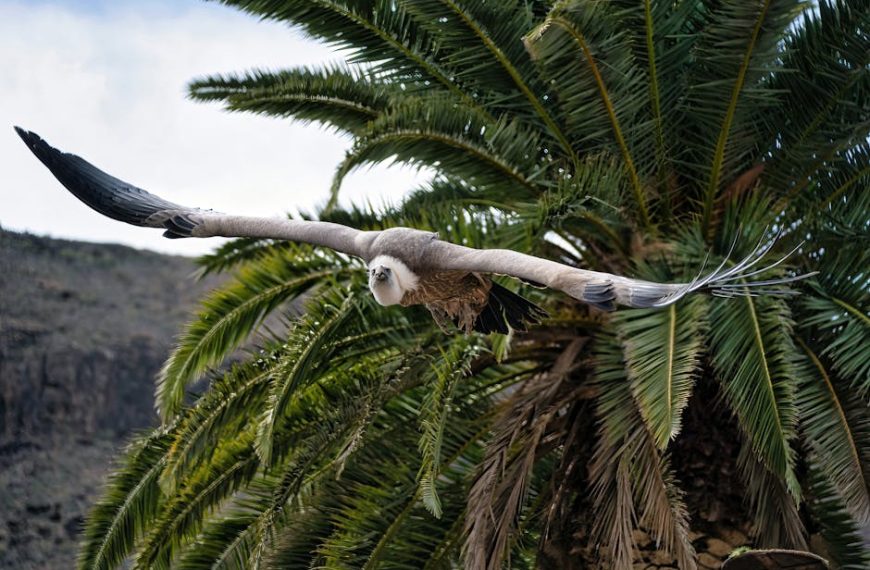
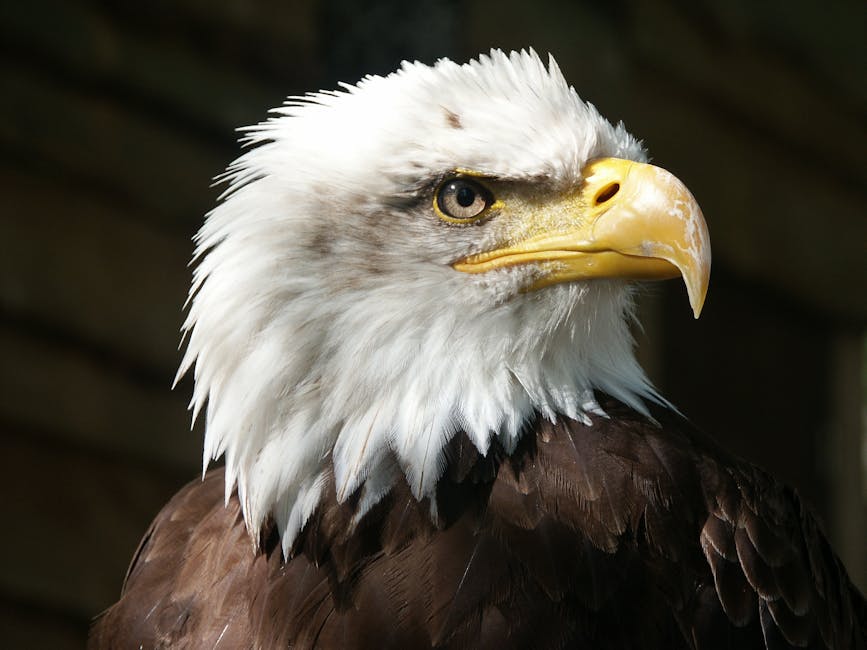
Intricately linked to symbolism of power, divinity and freedom in various cultures, eagles have established their prominence in the global avian kingdom. Despite their widespread prevalence across mythology and religious rituals, there’s one aspect that often leaves people bewildered — do these majestic species pose a genuine risk to humans? To decode this enigma, it’s essential to understand their physical traits, behaviors and their role in the ecosystem, which in turn, frames their interaction with homo sapiens.
Eagle’s Characteristics and Human Interaction
Physical attributes such as their substantial wingspan, robust strength, and agile flight pattern help the eagle maintain a dominating status in the food chain. However, their intimidating stature doesn’t necessarily equate to human danger. Behaviorally, like most species of wildlife, eagles generally maintain a safe distance from human beings unless provoked or threatened. Hence, interactions are derived more from curiosity or protection instincts than innate hostility.
- Physical Characteristics: Eagles are significantly powerful birds. With two-inch long talons and capable of flying up to 30 miles an hour with a 15-pound load, their strength is unquestionably intimidating. However, this power doesn’t automatically channelize towards harming humans unless they sense an imminent threat.
- Behavioral Patterns: Eagles are typically wary of humans. Encounters can evoke defensive behavior, especially during their breeding season when they are protective of their nest territory. Understanding these patterns can contribute to preventing unwanted situations.
Best Practices
While unexpected close encounters with eagles can be somewhat intimidating, maintaining your own space and avoiding any abrupt or threatening moves can prevent possible conflicts. It’s also critical to remember not to feed eagles as it encourages dependency and alters their natural behavior, potentially leading to unnecessary confrontations.
Potential Dangers Eagles Pose to Humans
Reports of eagles causing harm to humans are minimal but not unheard of. From misjudging toddlers as prey to defending their territories, there have been instances where eagles have demonstrated aggressive behavior towards humans. These events, however, are exceptional and defy the usual pattern of eagles showing little interest in humans.
In most cases, eagles pose more of perceived threat rather than an actual one. It’s crucial to comprehend that their actions are mostly driven by survival instincts, and human injury is rarely, if ever, intentional. Applying the perspective that eagles are potentially dangerous might impede our ability to peacefully coexist with these avian species and appreciate their essential role within the ecosystem.
Pros and Cons
| Arguments For | Arguments Against |
|---|---|
| Eagles can be territorial and may demonstrate defensive behaviors near their nests. | A majority of eagles are wary of humans and maintain a comfortable distance with no interest in confrontation. |
| There are isolated incidents of eagles attacking humans. | Such instances are exceedingly rare and generally occur when an eagle feels its nest or young are threatened. |
Eagles’ Role in the Ecosystem and Its Impact on Humans
As apex predators, eagles play an indispensable role in the ecosystem. Their predatory nature helps maintain a balanced and healthy environment by controlling populations of smaller animals like rodents and fish. This regulation aids in preventing overpopulation and spreading of diseases, thus indirectly supporting human population.
- Role in Ecosystem: Eagles regulate smaller prey populations, keeping a balance in the food chain, and preventing potential disease outbreaks.
- Impact on Humans: By regulating the populations of some organisms harmful to human beings, eagles provide indirect benefits to us. For instance, they can control rodent populations that might otherwise cause destruction to crops and property.
Pro-tip:
Adopt practices that can bolster a stable eagle population. This can include supporting conservation efforts, adhering to laws that protect eagles and their habitats, and spreading awareness in your local communities.
Habitat Encroachment and Its Effect on Eagle-Human Conflict
With growing urbanization, humans have encroached upon eagle habitats, which has led to increased incidents of eagle-human interactions. This intrusion into their territory instigates defensive behavior from eagles, thus increasing the probability of conflict. In such situations, it’s crucial for us to understand their behavior and mitigate any potential threats.
Checklist to Identify Signs of Habitat Encroachment:
- The sudden appearance of eagles in urban and suburban neighborhoods where they were previously unseen.
- Evident reduction in the green cover and natural landscapes around your locality.
- A surge in the instances of eagle-human confrontations or altercations.
Best Practice:
Avoid unnecessary intrusions within eagle habitats. Ensure that any kind of developmental activities in and around these habitats are carried out responsibly, adhering to guidelines established to minimize disturbance.
Efforts to Minimize Conflict Between Humans and Eagles
Efforts are being made globally to promote peaceful coexistence between humans and eagles. These include wildlife conservation projects and educational initiatives that aim to increase public understanding of eagle behavior and their ecological role.
Comparative Analysis of Conservation Strategies
| Conservation Strategy | Effectiveness |
|---|---|
| Launching public awareness campaigns and educational initiatives | Effective in promoting understanding in communities, leading to reduced conflict. |
| Implementing laws protecting eagles and their habitats | Provides legal cover for eagles, but effectiveness depends on enforcement and public compliance. |
| Reintroducing eagles into suitable habitats where they have become locally extinct | Can help restore balance in ecosystem. However, reintroduction must be carefully managed to minimize potential conflict. |
Pro-tip:
Small individual actions can go a long way to help eagles in your local community. This could include supporting conservation projects, spreading awareness about the importance of eagles in the ecosystem, and avoiding activities that disturb eagles or their habitats.
In conclusion, while eagles can pose a potential threat to humans in certain situations, most interactions are non-aggressive unless they feel their survival or their young ones are in danger. Clear understanding, mutual respect, and coexistence are the essentials to mitigate any potential conflict.
Key Takeaway:
- Eagles typically maintain a safe distance from humans and are generally non-aggressive, unless they feel threatened or their nests are in danger.
- Instances of eagles causing harm to humans are minimal and exceptionally rare.
- Eagles play a crucial role in maintaining a balanced ecosystem by controlling the populations of smaller animals and preventing diseases spread.
- Encroachment on eagles’ habitats can potentially lead to increased human-eagle interactions and alter eagles’ behavior.
- Conservation efforts, legislative backing, and public awareness can significantly help in minimizing human-eagle conflict, promoting peaceable coexistence between both species.
Through understanding and respecting eagle behaviors and their role in our ecosystem, we can ensure our interactions with these magnificent birds are enriching, not threatening. It’s our moral responsibility to support conservation initiatives, avoid disturbing eagle habitats, and promote awareness, ensuring the survival and prosperity of eagles, which ultimately benefits us.
FAQs
Q: How should I react if an eagle comes too close?
A: It would be best if you avoided making sudden moves or attempt to feed them. Instead, slowly distance yourself from the eagle to prevent any potential conflict.
Q: Can we feed eagles?
A: No, it’s not advisable to feed eagles because it can encourage dependency, altering their natural behavior which can eventually lead to unnecessary confrontations.
Q: What should I do if I spot an eagle in an urban area?
A: If you spot an eagle in an urban area, it’s a potential sign of habitat encroachment. It is important to inform local wildlife officials about the encounter to seek their expert guidance.
Q: Are there any laws protecting eagles and their habitats?
A: Yes, there are local and national laws in many countries that protect eagles and their habitats. However, the implementation and effectiveness of these laws can vary.
Q: How can we support the local eagle population?
A: You can support conservation efforts, abide by laws protecting eagles and their habitats, and spread awareness about the importance of eagles in the ecosystem in your local community.
Feel free to explore other posts on our website for more insights on wildlife conservation, and share this article with your friends and family to spread awareness!