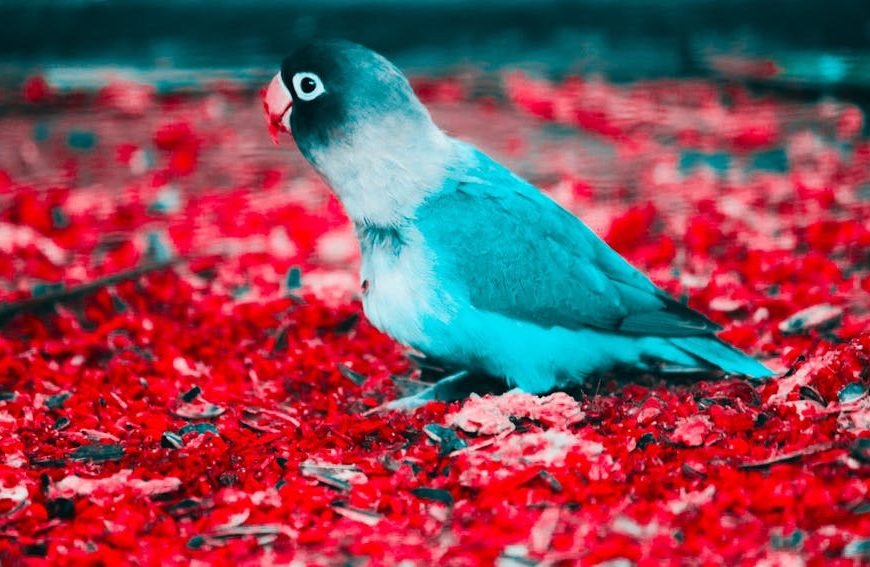
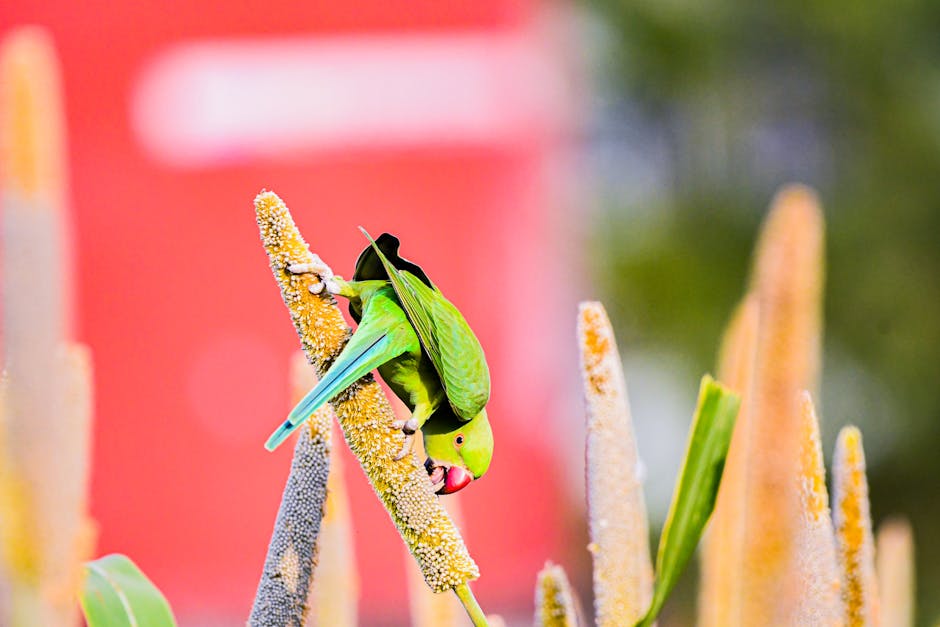
From the chatter in their cages to their vibrant and beautiful plume, parakeets make for delightful companions. They are known for their playful and social demeanor but may not always behave in ways we understand. One such behavior is biting, which can be puzzling, and at times, even a little intimidating for first-time parakeet owners.
Understanding Parakeet Biting as A Defense Mechanism
Parakeets are sociable and fun-loving creatures, but like all animals, they can get defensive when they feel threatened or stressed. This perceived threat often results in biting as a defense mechanism. Here’s a list of typical scenarios that might trigger defensive biting in parakeets:
- A sudden change in environment
- Introduction of a new pet or person
- Unwanted touching or handling
✅ Pro Tip: When handling your parakeet, move slowly and allow them to approach you first. Sudden movements can startle them and cause them to react defensively.
The Role of Teething in Parakeet’s Biting
Quite paradoxically, parakeets do not ‘teeth’ as mammals do. Their beaks are made of keratin, the same protein found in our nails and hair. However, just as we trim our nails, a parakeet’s beak also grows continuously and needs to be worn down. This need to keep their beak trimmed can result in increased biting behavior.
Best Practice: Provide your parakeet with plenty of beak-friendly toys to chew on to help them naturally trim their beak and direct their biting habit away from you or your furniture.
When comparing the biting behavior of a teething parakeet with that of a threatened parakeet, the former is more steady, persistent while the latter is abrupt and intense.
Communicative Biting: How Parakeets Use Their Beaks to Express
Parakeets have a surprisingly diverse repertoire of sounds to express a range of emotions, from contentment to irritation. Biting can also be a way for your parakeet to communicate. They might nibble gently on your skin when they want to draw your attention, or nip you to show their irritation.
Examples of situations where parakeets may resort to communicative biting include:
- Boredom or seeking attention
- Discomfort or illness
✅ Pro Tip: Always respond calmly to communicative biting. Shouting or retaliating may exacerbate the situation. Instead, try to understand the root cause and address it accordingly.
With patience and understanding, you can learn to decipher your parakeet’s biting behavior. This insight will allow you to further connect with your parakeet and forge a loving bond.
The Relationship between Parakeet Biting and Bonding
The way your parakeet interacts with you, including sometimes biting or nibbling, is often influenced by their level of comfort and trust in you. In other words, biting can signify bonding. However, it’s important to deter harmful or aggressive biting while fostering a healthy relationship.
Besides biting or nibbling, here are a few additional signs of affection in parakeets:
- Head bobbing
- Singing or chirping when you enter the room
- Preening you (gently nibbling or cleaning your hair or skin)
Best Practice: Encourage bonding without reinforcing biting by offering them treats from your hand and plenty of gentle vocalizations. Always respond calmly to biting, and avoid using negative reinforcement like shouting or isolating them.
Tips for Managing and Preventing Parakeet Biting
Managing parakeet biting requires empathy and patience. Understanding where the biting behavior is coming from will guide you in managing it effectively.
Here’s a checklist to guide you on this journey:
- Analyze their biting behavior to understand its cause
- Encourage your parakeet to chew on bird-friendly toys
- Maintain a stable, stress-free environment for your parakeet
- Be patient and consistent in your interactions with them
In comparing bite prevention strategies, some home remedies like vinegar sprays may work short-term but can also stress your bird. Patient training and providing a healthy, stimulating environment have long-term benefits.
| Prevention strategy | Pros | Cons |
|---|---|---|
| Home remedies (like vinegar sprays) | Quick results | Could stress or harm your bird; temporary solution |
| Patient training & providing a healthy environment | Fruitful, long-term benefits; Healthy relationship with your bird | Takes more time and patience |
By understanding your parakeet’s behavior, you will not only enhance their quality of life but also solidify your bond with them. Parakeets are gentle creatures who appreciate care and affection, and with a bit of patience, their biting can be managed, leading to a harmonious companionship. Remember, every nip isn’t a bite!
Key Takeaway:
- Parakeets might resort to biting as a defense mechanism, as a result of their beak’s growth, to communicate, or as part of their bonding process with their owners.
- Biting behavior can be managed by understanding its root cause and responding appropriately.
- It’s important to discourage harmful biting while nurturing your bond with your parakeet.
- Providing a stable, stress-free environment and bird-friendly toys can help handle biting issues.
While biting might seem like a challenge, always remember that your feathery friend is simply trying to communicate with you. With patience, understanding, and proper care, you can effectively manage this behavior and love your parakeet all the more for it.
FAQs
Q: Are parakeets more likely to bite than other bird species?
A: Different bird species have varying behavioral traits. Parakeets are not necessarily more prone to biting; they use it as a method of communication or defense, just like any other bird.
Q: How can I tell the difference between teething and defensive biting?
A: Teething biting tends to be steady and persistent, while defensive biting is typically abrupt and intense. Observing your parakeet’s behavior closely will help you understand the difference.
Q: Is there a way to stop my parakeet from biting completely?
A: Completely eliminating biting might not be possible or even desirable as it’s a natural behavior for parakeets. However, understanding its causes and managing it effectively can significantly reduce unwanted biting.
Q: Are there specific toys that help with ‘teething’ in parakeets?
A: Yes, there are bird-friendly toys available that are made keeping in mind the need for birds to trim their beaks. Providing these toys can prevent unwanted biting.
Q: How do I react when my parakeet bites me?
A: Always remain calm and avoid shouting or reacting aggressively. Instead, try to understand the reason behind the bite and address it in a stress-free manner.
Don’t forget to share this article with other parakeet lovers. Explore more posts on our website for a deeper understanding of your feathery friends!