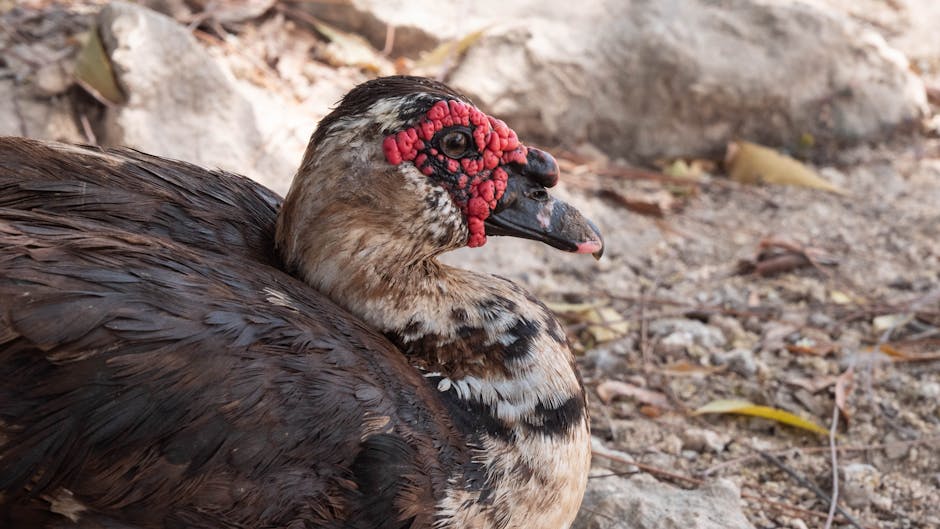
Embarking on the journey of keeping ducks as pets initiates a long-standing debate as to whether these feathered friends decide to fly away or not. The answer is not straightforward and depends substantially on the breed of the duck, its physical capacity to fly, the bond it shares with you, and the quality of its living environment. To understand their flying habits, let’s start by delving into the crux of a duck’s instincts and habits.
The Nature of Ducks: Understanding their Instincts and Habits
Ducks belong to a wide variety of species, many of which are categorized into two groups based on their natural behavior – migratory and non-migratory. Migratory ducks, such as the Mallards, are known to cover long distances during seasonal changes, compelled by their ingrained instincts. On the other hand, non-migratory ducks like the Indian Runner don’t feel a strong urge to fly and are more likely to stay grounded. When ducks are held as pets, these natural tendencies do play a part, but are not always decisive.
Pro Tip! Utilize your understanding of your duck’s breed and instinctive behavior to anticipate its actions better. The more you align with their nature instead of opposing it, the happier and more secure your duck will feel.
Popular pet duck breeds such as Pekins, Cayugas, and Khaki Campbells often possess an innate curiosity and are good flyers. However, it’s not a given that they will fly away. It is crucial to remember that the home environment, care, and bond you share with your duck are likely to have a more substantial impact than pure instinct alone.
Can Pet Ducks Fly Away?
Pet ducks can indeed fly away if they are physically capable. Domesticated breeds still retain their wild relatives’ ability to fly unless their wings have been clipped, a practice some owners resort to in an attempt to prevent their ducks from flying away. However, this procedure is controversial and should be carefully considered.
| Pros | Cons |
|---|---|
| Prevents the duck from flying away | Can adversely affect the duck’s quality of life |
| Reduces risks associated with flight, such as injury or predation | Flying is a natural behavior that might be vital for a duck’s mental and physical wellbeing |
Understanding the potential pros and cons, it becomes evident that it’s advisable to resort to other solutions before considering wing clipping. Some best practices include providing a safe and fulfilling environment and training the duck to respond to calls.
Fulfilling the Needs of Your Pet Duck
Meeting a duck’s physiological, social, and environmental needs is crucial to prevent it from having the urge to fly away. A happy and content duck is less likely to attempt to escape, as its needs are being fully met. Understanding these needs includes providing suitable housing, ensuring ducks have a balanced diet, access to clean water, and appropriate socialization opportunities.
Basic Care Checklist
- Suitable Housing: Ensure your duck has a secure and comfortable living space.
- Balanced Diet: Feed your duck a well-rounded diet that meets its nutritional needs.
- Clean Water: Provide unfettered access to fresh, clean water.
- Social Needs: Allow your duck to socialize with other ducks or pets available.
- Health Checks: Regular vet check-ups are crucial for the overall health of your pet duck.
Contributing to these areas enriches the quality of your pet’s life and enhances their satisfaction within their home environment. Taking these steps to meet your duck’s needs can significantly decrease their desire to fly away and increase their happiness and contentedness.
To be continued…
Building a Bond: The Role of Trust and Interactivity
The relationship you share with your pet duck plays a significant role in their inclination to fly away or stay close to home. By focusing on trust-building activities and maintaining regular interactive engagement, you can promote a sense of security, nurturing a bond that makes your pet duck feel more comfortable in your care.
Interactive Activities include:
- Hand-feeding: In a controlled and gentle manner, hand-feeding can be an excellent bonding session.
- Vocal interaction: Consistent vocal communication and calling your pet by name aid with training and recognition.
- Bathing together: Ducks love water. Make their bath time a time of interaction.
A strong bond versus a distant relationship can have different outcomes:
- A strong bond can lead to a duck feeling safe, entrenched in the idea of home, and lower the chances of them wanting to fly away.
- In contrast, a distant relationship might result in an insecure environment, increasing their instinct to fly away seeking a better habitat.
Myths and Misconceptions About Pet Ducks and Flight
It’s important to be aware of some common myths and misconceptions surrounding pet ducks. These often inaccurately perpetuate certain behaviors, particularly in regards to flight and migratory instincts.
- Myth: All pet ducks are bound to fly away. Reality: Not all pet ducks will fly away. Many factors like breed, care, and bond influence this behavior.
- Myth: Domesticated ducks cannot fly. Reality: Many domesticated ducks, unless their wings are clipped, retain the ability to fly.
Pro Tips for Managing Natural Behaviors:
- Respect their natural instincts: Acknowledge your pet duck’s inherent traits and work with them instead of against.
- Create a comfortable environment: Make their living area safe, comfortable, and entertaining.
- Communicate and interact: Regular, positive interaction can help build trust and curb any desire to fly away.
In conclusion, while ducks may have the physical capacity to fly, a variety of factors influence the likelihood of your pet duck deciding to take flight. By understanding your pet’s needs and habits, creating a safe and fulfilling environment, building a bond of trust, and debunking misconceptions, you can successfully navigate the debate of whether pet ducks will fly away. Nurture your feathered friend and ensure they find a home in you, and you might be pleasantly surprised by the loyalty they display in return.
Key Takeaway:
- Pet ducks’ flying behavior is influenced significantly by the breed of the duck, its physical capacity to fly, the bond it has with its owner, and the quality of its care and environment.
- Migratory and non-migratory behaviors in ducks are ingrained instincts but do not solely determine whether a pet duck will fly away.
- While pet ducks are physically capable of flying, the practice of wing clipping is controversial and may impact their quality of life.
- Meeting a duck’s physiological, social, and environmental needs can reduce its desire to fly away.
- Building a strong bond with your pet duck can decrease its inclination to fly off.
- Misconceptions about pet ducks often revolve around their flight and migratory instincts, which must be clarified for a balanced understanding.
Despite the uncertainty surrounding whether pet ducks fly away, understanding their habits and needs goes a long way. With patience, understanding, and a nurturing environment, you can significantly influence your pet duck’s behavior and comfort in your care.
FAQs
Q: How long does it take for a pet duck to bond with its owner?
A: Bonding varies among different animals, but generally, consistent interaction and care could lead to a strong bond within several weeks or a few months.
Q: Is it legal to clip my pet duck’s wings?
A: The legality of wing clipping depends on local laws and regulations. Please consult with a veterinary professional or local animal welfare officer to get accurate information relevant to your location.
Q: What should I do if my pet duck flies away?
A: If your pet duck flies away, try to remain calm. Use a familiar call or offer their favorite food to entice them back. If they’re gone for a prolonged period, report the situation to local animal control and ask neighbors to keep an eye out.
Q: Can a non-migratory duck breed fly away?
A: Even non-migratory ducks may try to fly, especially if their needs are not being met or they feel insecure. However, they are generally less likely to fly long distances compared to migratory breeds.
Q: Is it better to have one duck or is it advised to keep them in pairs?
A: Ducks are social animals and generally do better in pairs or groups. They can get lonely if kept alone. However, keeping multiple ducks may require more space and resources.
Feel free to share this article with others who might find it useful and explore more posts about pet care on our website.