Strikingly ephemeral and blazingly fast, Lightning Birds shine a light on the mesmerizing array of life on planet Earth. These electrifying creatures command our attention, not just for their vivid presence but also for their strikingly unique characteristics. Lightning Birds, a term that may sound fantastical to some, are real denizens of the natural world. These extraordinary avians have captivated bird watchers and scientists alike. This article dives deep into the realm of Lightning Birds – exploring their physiological marvels, interpreting their behaviors, underscoring the significant threats they face, and advocating preservation measures.
Understanding the Basics: Exploring the Concept of Lightning Birds
The term Lightning Birds may invoke images of mythical creatures or superheroes. Still, they are indeed very real and perhaps even more fascinating than their fantastical counterparts. Known scientifically as Fulguravis volitatus, these birds bear their moniker due to their remarkable speed and pulsating, bioluminescent plumage which presents a breathtaking spectacle in the night sky.
- Unique characteristics: Their most distinguishing trait is undoubtedly their ability to glow, mainly when they’re on the move. The resultant light trails give an illusion of lightning streaks racing across the sky, hence their name. Furthermore, their streamlined bodies, elongated wings, and unique wing-flap mechanisms make them among the fastest birds around.
- Habitats: Mostly nocturnal, these swift fliers are predominately found in regions with regular thunderstorms – their vibrant displays often confused with the natural electrical phenomenon.
- Common misconceptions: Some believe that Lightning Birds generate electricity or harness it from thunderstorms. While this sounds thrilling, the truth is they glow due to bioluminescence, a well-studied natural phenomenon.
Scientific Revelations: Unveiling the Physiology of Lightning Birds
Studying the biology of Fulguravis volitatus reveals fascinating insights about their unique adaptations and unparallel abilities. Their physiology is a window into how astonishing life forms can be when molded by evolution.
- Physical structure: The Lightining Birds’ bodies are strikingly streamlined, reducing drag and enabling sustained high-speed flight. The unique design of their wings allows rapid flapping, crucial for maintaining their swift, darting flight patterns.
- Special adaptations: Most notably, Lightning Birds possess unique bioluminescent cells in their feathers. When excited by rapid movements, these cells emit an enchanting glow, leading to the lightning-like effect.
- Dietary insights: Accommodating such high-energy lifestyles requires a nutrient-rich diet. Unsurprisingly, Lightning Birds predominantly feed on insects attracted to their light displays providing an abundant and renewable food source.
Life in the Fast Lane: Investigating Lightning Bird Behavior
Understanding the behavior of these enigmatic creatures is a challenging yet crucial aspect. What might appear random or purely aesthetic often serves a strategic purpose in the complex puzzle of survival and propagation.
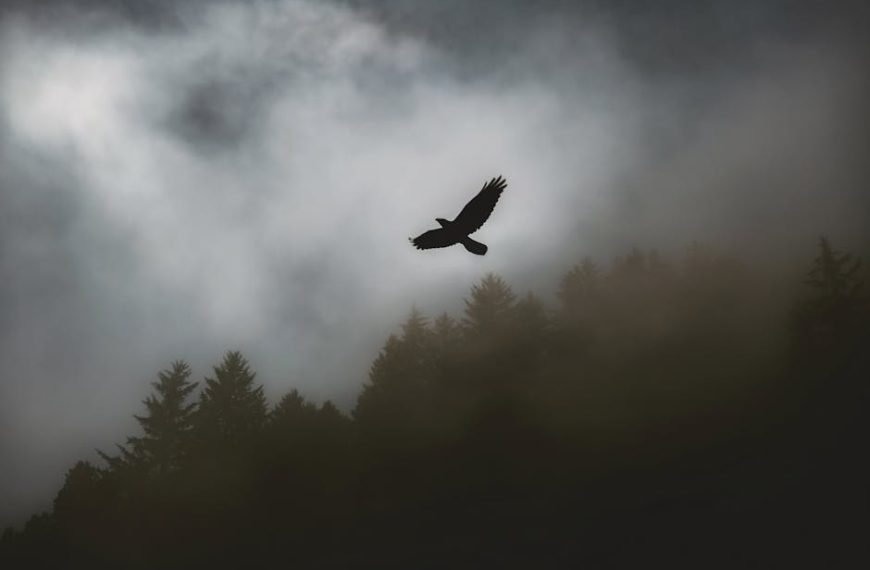
- Flight Patterns: Lightning Birds exhibit an acrobatic display of aerial maneuvers. Their lightning-fast, darting flight coupled with their bioluminescent trails create a mesmerizing nighttime spectacle.
- Mating Rituals: Male Lightning Birds use their glowing abilities in elaborate courtship displays, attracting females with their luminous acrobatics. The most vibrant and agile performers often garner the most attention.
- Communication: Curiously, Lighting Birds appear to use their bioluminescent displays as a communication system, signaling both in flight and during communal roosting gatherings. This light-based language is a captivating feature currently under in-depth study.
The Threats They Face: Current Challenges and Conservation Efforts of Lightning Birds
As stunning as Lightning Birds are, they are not immune to challenges. They face various threats, some natural and some exacerbated by human activity. Conservation efforts are underway to mitigate these attitudes and help maintain their biological diversity.
- Key global threats: The most alarming threat to Lightning Birds is habitat loss stemming from human encroachment, deforestation, and climate change. They are specialized creatures, and loss of their specific habitats puts severe pressure on their populations. Climate change, combined with light pollution, also disrupts their nocturnal behaviors and mating rituals.
- Conservation efforts: Various global and local initiatives are working to protect these unique creatures and their habitats. These efforts include preserving and restoring vital lightning bird habitats and implementing regulations to reduce light pollution.
Enlightening the Future: Role of Science and Communities in Lightning Bird Conservation
The conservation of Lightning Birds isn’t just a task for scientists and governments; it’s a responsibility for everyone. Science guides us, but it takes grounded community efforts to bring about substantial changes.
- The role of research: Scientific study continues to unveil the complexities of the Lightning Birds’ physiology and lifestyle, helping us better understand their needs and vulnerabilities. Data from field studies guide practical conservation efforts, shaping policies, and promoting sustainable practices.
- Community involvement: Local populations have a crucial role to play in Lightning Birds’ survival. People can contribute by adopting eco-friendly habits, reducing light pollution, and supporting policies that protect natural habitats.
Conclusion
Lightning Birds are a fascinating example of life’s diversity and adaptability. With their unique physiological adaptations and captivating behaviours, they illuminate our nights and our understanding of life’s capabilities. Dishearteningly, these same traits also serve to underline their vulnerability. Securing the future of the Lightning Bird is an illuminating beacon for biodiversity conservation at large. As we gaze at their mesmerising, lightning-streaked trails in the night sky, we are reminded of the urgent need for stewardship of our shared planet. To quote Rachel Carson, those who contemplate the beauty of the earth find reserves of strength that will endure as long as life lasts – let us find that strength and stand for these remarkable avians.
- Best practices: Take simple steps to help conserve these birds. Turn off unnecessary outdoor lights at night. Support local and global wildlife conservation organizations. Educate others about the plight of the Lightning Birds. Every action counts.
- Pro tip: Keep yourself informed about the latest research and conservation efforts. Numerous online resources can offer timely updates, allowing you to stay engaged with the conservation community and make a real impact on the survival of these wondrous creatures.
Key Takeaway:
- Lightning Birds, scientifically known as Fulguravis volitatus, are known for their bioluminescent plumage that leaves light trails resembling lightning bolts.
- These birds have physiological adaptations tailored to high-speed flight, achieving this through their streamlined bodies, unique wing-flap mechanisms, and energy-rich diet.
- The most significant threat to Lightning Birds is habitat loss due to deforestation, human encroachment and climate change.
- Both scientific research and community involvement play a crucial role in conserving this species; while scientists study and understand their needs, communities can contribute by adopting eco-friendly habits and supporting relevant policies.
Lightning Birds serve as an enchanting symbol of natural diversity and adaptation. Through concerted efforts of research and human care, we can help protect these extraordinary beings. Let’s stand together, inspired by the beauty of these glowing avians, and contribute to making our world a sanctuary for all its inhabitants.
FAQs
Q: What species are Lightning Birds related to?
A: Lightning Birds belong to their own unique genus – Fulguravis. Their closest relatives in the bird family tree are yet to be established through further scientific research.
Q: Can I spot a Lightning Bird during the daytime?
A: Lightning Birds are primarily nocturnal creatures, making them difficult to spot during the daytime. At night, however, their radiant displays can be seen in areas with regular thunderstorm activity.
Q: How can I contribute to the conservation of Lightning Birds?
A: Some ways you can contribute include reducing light pollution, supporting local and global wildlife conservation organizations, and spreading awareness about the plight of Lightning Birds.
Q: Are all Lightning Birds capable of bioluminescence?
A: Yes, all members of the Fulguravis volitatus species have bioluminescent cells in their feathers, which emit light when excited by rapid movement.
Q: How do Lightning Birds communicate?
A: Lightning Birds seem to use their bioluminescent displays as communication signals, both in flight and during communal roosting gatherings. This is still under active scientific investigation.
Don’t forget to share this enlightening article and explore more fascinating posts on our website!