Buzzards. The name may sound ominous to some, but these birds of prey are not only intriguing but also play an integral role in our ecosystems. You may have spotted them, perched high, keenly scanning their surroundings or soaring effortlessly overhead with their broad, rounded wings. Yet, there’s much more to these fascinating creatures. From their diverse species, distinct physical features, hunting prowess, varied habitats, and essential ecological roles, buzzards truly warrant a closer look. Let’s spread our wings and soar into some captivating facts about buzzards.
Diversity of Buzzards Species
Buzzards belong to the broad family of birds known as Buteo, and they are widespread with different species residing in various parts of the world. These include the Common Buzzard (Buteo buteo), a fixture in Europe and parts of Asia; the Red-tailed Buzzard, notably, the Red-tailed hawk (Buteo jamaicensis) seen across North America, and the Honey Buzzard (Pernis apivorus) known for their love of bees and wasps.
Each species has its unique characteristics and habitats. For instance, the Common Buzzard is known for its variable plumage and vigorous soaring, whereas the Red-tailed Buzzard is recognized by its distinctive russet tail. The Honey Buzzard lives up to its name excellently by employing its specialized diet of bee and wasp larvae.
Physical Characteristics and Abilities of Buzzards
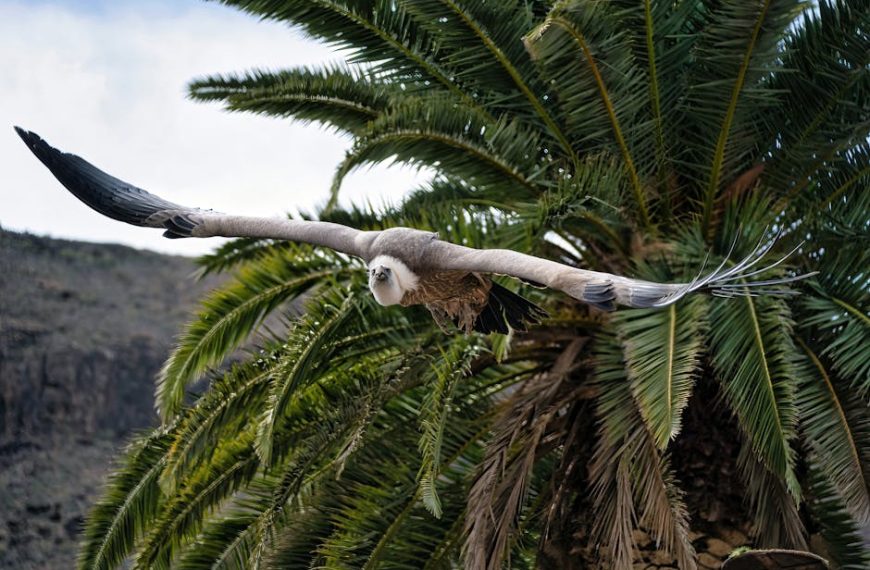
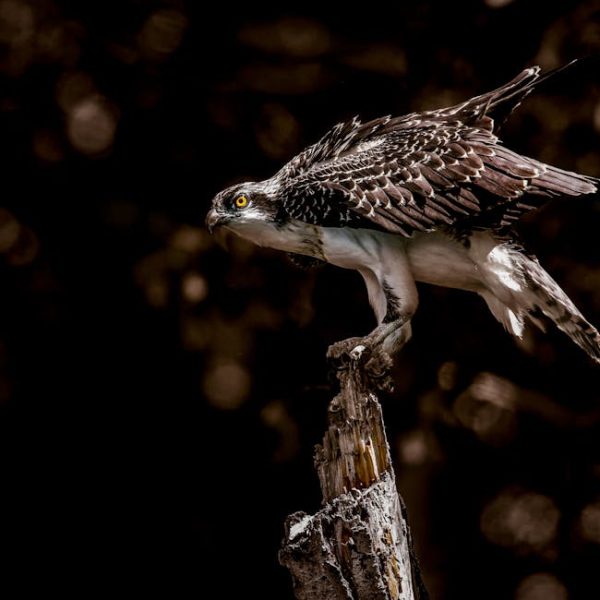
While the physical features may vary among species, some elements remain consistent across the board. Buzzards, approaching a medium to large size, possess rounded wings and short, broad tails. They wear a feathered cloak of different shades of brown, from light to dark, often with spots or bands. But one cannot talk about a buzzard without highlighting its talons. Sharp and robust, these claws serve as the crucial tools for hunting and feeding.
Buzzards are gifted with sharp eyesight, approximately eight times more potent than that of humans. This resounding vision aids these high fliers in spotting potential meals even from a remarkable height.
To identify buzzards effortlessly, observe their flight patterns. Buzzards often soar with their wings held in a shallow ‘V’ and regularly fan their tails.
Hunting and Feeding Habits of Buzzards
Buzzards are carnivorous and their diet primarily consists of small mammals such as rabbits, voles, and mice. That’s not all; these birds of prey also feed on a variety of other creatures including birds, reptiles, and insects. Buzzards even help clean up the environment by feasting on carrion, the decaying flesh of dead animals.
Their hunting techniques are as impressive as their diet is diverse. Buzzards have developed a keen sense of hearing and sight that allows them to detect potential prey from a considerable distance. They usually perch in a tree or hover in the sky, scanning their surroundings. Upon spotting a meal, these raptors quickly swoop down and snatch up their prey using their powerful talons.
Just remember, the next time you see a buzzard high up in the sky, it’s likely executing an incredible aerial hunt, putting its remarkable features and abilities to good use. Buzzards are indeed a mesmerizing spectacle of nature, and understanding their traits, habits, and roles only deepens our appreciation for these vital members of the ecosystem. The journey into the intriguing world of buzzards continues as we explore their diverse habitats next.
Habitat and Distribution of Buzzards
Similar to their diverse species and distinct abilities, buzzards too show a striking range in their preferred habitats. Covering a broad distribution, buzzards inhabit a plethora of landscapes across different continents. From sprawling woodlands and forests to open farmlands and marshes, these raptors have made just about every type of terrain their home.
For instance, Common Buzzards are widespread throughout Europe and parts of Asia. They flourish in a range of habitats including mixed woodland, hedges, grasslands, marshes, and even, edges of urban areas. Red-tailed Buzzards, on the other hand, prefer open regions such as deserts, grasslands, and lightly wooded areas across North America. And finally, the Honey Buzzard, dedicated bee and wasp eaters, lean towards habitats comprising deciduous woods and forest edges with plentiful supply of hives.
To vividly illustrate this diversity, here’s an interactive world map:
▶️ [Buzzards’ Geographic Distribution]
But how does one buzzard habitat compare to another? Let’s take a look:
Common Buzzard Vs. Red-tailed Buzzard
| Common Buzzard Habitats | Red-tailed Buzzard Habitats | |
|---|---|---|
| Habitat Choice | Woodlands, hedges, grasslands, marshes | Open regions such as deserts, grasslands, lightly wooded areas |
| Prevalence | Europe and Asia | North America |
Significance and Role of Buzzards in the Ecosystem
Buzzards are more than just fascinating creatures with intriguing physical traits and varied diets. They play a vital role in maintaining the balance of our ecosystems. Primarily, buzzards help control the population of rodents and other pests, providing a natural form of pest control. They also play a considerable role in the process of decomposition by feeding on carrion, thus preventing the potential spread of disease and helping to recycle nutrients back into the ecosystem.
Here are some crucial ways in which buzzards contribute to biodiversity and the environment:
- Natural pest control: By preying on small mammals and insects, buzzards keep their population in check.
- Decomposers: As carrion eaters, buzzards help in the decomposition process, thereby recycling nutrients back into the ecosystem.
- Bioindicator species: Changes in buzzard populations can indicate alterations in the environment, thereby helping in environmental monitoring.
To help children understand these key benefits, educators and parents can use the handy checklist below:
Explain buzzards’ diet and hunting habits
Illustrate the buzzards’ role in controlling pests
Discuss the process of decomposition and the buzzards’ part in it
Explore the concept of bioindicator species and the buzzards’ function in environmental monitoring
By understanding and appreciating the crucial role buzzards play in our ecosystems, not only do we gain an all-round knowledge of these fascinating creatures, but we also realize the intricate balance of nature and our part in preserving it. Therefore, the next time you spot a buzzard swooping in the sky or perched on a high branch, take a moment to recognize these environmental custodians for the essential role they play in our world.
Key Takeaway:
- Buzzards are a diverse species with unique physical and behavioral characteristics, boasting exceptional hunting and flying abilities.
- They inhabit varied terrains across different continents, with each species preferring different habitats.
- Buzzards primarily feed on small mammals, insects, and carrion and have developed robust hunting techniques.
- They play a vital role in the ecosystem by naturally controlling pests, aiding decomposition, and acting as bioindicator species.
Understanding the intricate role of buzzards in our ecosystem is an enlightening reminder of how nature’s balance is maintained. It’s essential to appreciate and protect these fascinating creatures to sustain the harmony in our environment.
FAQs
Q: What role do buzzards play in pest control?
A: Buzzards naturally control pests by preying on small mammals such as mice, voles, and sometimes even insects. This significant predation helps keep the population of these pests in check.
Q: How do buzzards contribute to decomposition?
A: Buzzards contribute to decomposition by feeding on carrion, or the decaying flesh of dead animals. This not only keeps the environment clean but also recycles nutrients back into the ecosystem.
Q: What makes buzzards excellent hunters?
A: Buzzards are skilled hunters with extremely powerful eyesight, about eight times more potent than that of humans. They use this vision to spot potential meals from a remarkable height. Combined with their sharp talons, they swiftly swoop down to snatch their prey.
Q: Are there specific behaviors or features that can help identify buzzards?
A: Yes, buzzards often soar with their wings held in a shallow ‘V’ and regularly fan their tails, which can aid their identification. Also, they typically have a brown feathered appearance with sharp, robust claws.
Q: How do buzzards serve as bioindicator species?
A: Changes in buzzard populations can indicate alterations in the environment. For instance, shifts in their numbers could highlight changes in prey availability or habitats, serving as a critical signal for environmental monitoring.
Help spread the knowledge about these fascinating creatures by sharing this article. Feel free to explore more fascinating posts on our website.