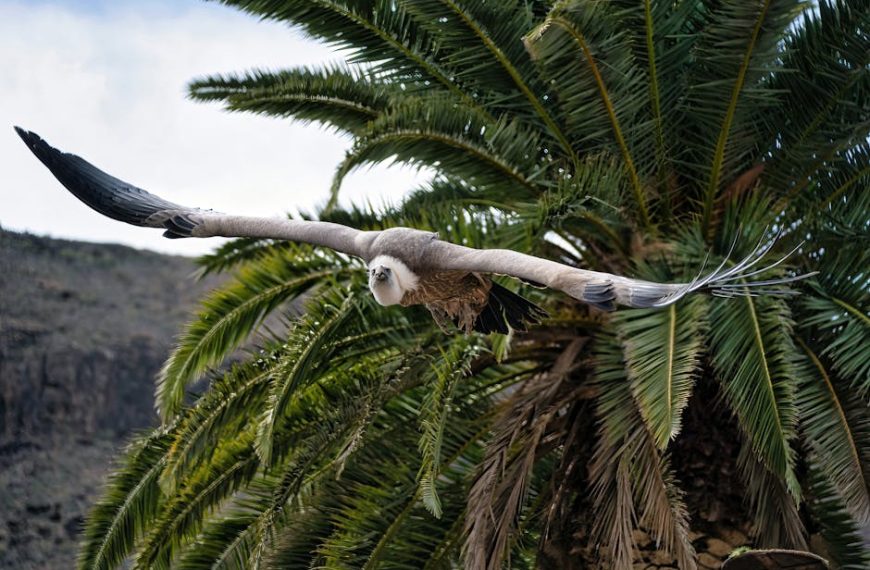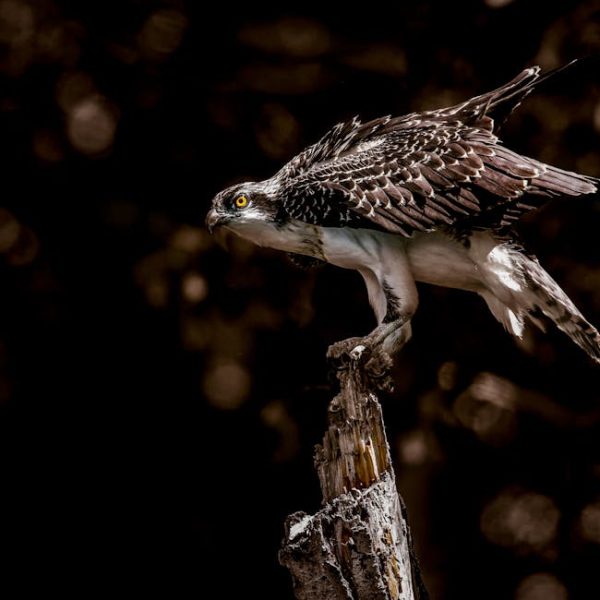
Despite their potent presence in our collective imagination and their high perch on the avian hierarchy, eagles remain a mystery to most. But these beauiful creatures have more to offer than sharp eyes and breathtaking wingspans; it’s through their remarkable adaptability, intricate social structures, hunting strategies, and their significant presence in culture and symbolism, that the intrigue of eagles unravels.
The Remarkable Adaptability of Eagles
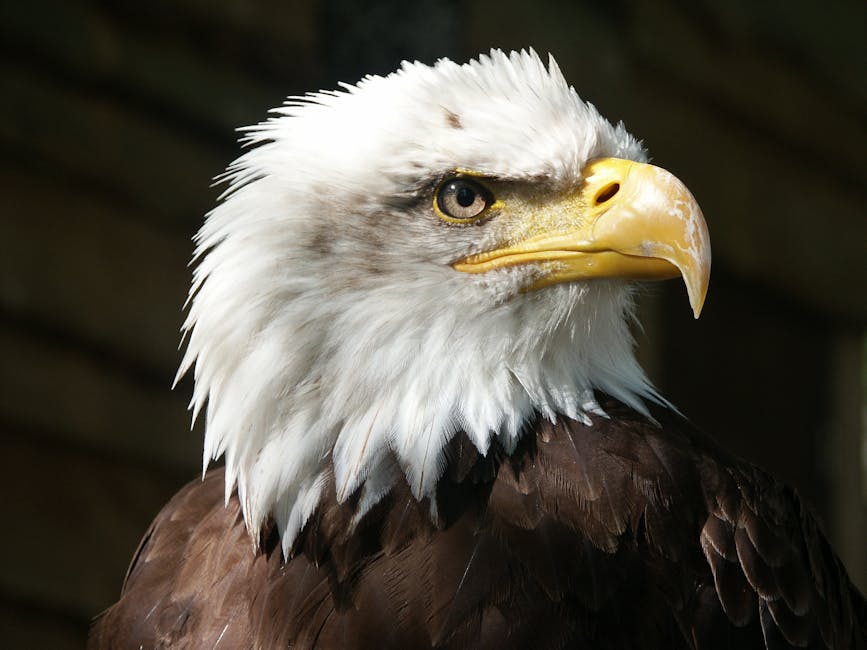
Known for their commanding size, impressive wingspans, and keen eyesight, eagles have evolved to inhabit a vast array of environments. From the desolate landscapes of deserts to the icy wastes of the Arctic, these creatures demonstrate a wealth of adaptive traits. Research confirms that their superior vision, nearly four times that of a human, allows them to spot prey from great heights. Their powerful talons can snatch prey, be it on the ground or mid-flight, with unerring accuracy.
Key Eagles’ Adaptations
- Superior sight enabling them to spot prey from loftier altitudes
- Powerful talons for nabbing prey mid-flight or on the ground
- Resilience to varied environments, from harsh deserts to icy Arctic
We can further appreciate the adaptability of eagles by comparing them to their avian peers. Few can match their sensory acuity, physical prowess, or environmental tolerance range.
The Intricate Social Structures and Breeding Habits of Eagles
Beneath the hardened exterior of this apex predator is a creature of commitment and territoriality. Eagles famously establish lifelong bonds with their mates, marking them as monogamous birds. They build expansive nests, often returning to the same spot annually, in areas they defend vehemently.
The process of rearing young eagles is complex, presenting significant mortality risks that underscore the importance of conservation strategies. From the nuptial dance of courtship, the diligent incubation period, to the fledgling stage, each step requires significant time and energy from the adult eagles.
Eagle Breeding Cycle
- Courtship involving aerial displays
- Nest building in territorially secured locations
- Incubation period under watchful parents
- Fledgling stage with gradual independence
When observing these magnificent creatures, it’s essential to respect their natural behaviors and habitats. Any undue interference might harm the eagles and disrupt their breeding process.
The Hunting Strategies and Diet Preferences of Eagles
As top predators, eagles employ powerful hunting tactics to catch various types of prey. But their dietary preferences go beyond just demonstrating their physical prowess. They also reflect the biodiversity of their habitats and reveal the worrying implications of environmental changes on the long-term health of various ecosystems.
Eagle Prey and Hunting Techniques
- Fish, birds, and small mammals form the core of various eagles’ diets
- Diving from great heights or pursuit in mid-air are common hunting techniques
Capturing an eagle’s dynamic hunting procedure can be a rewarding experience for wildlife enthusiasts. A deep understanding of the eagle’s behavior coupled with patience can yield breathtaking photographic moments.
Eagles in Culture and Symbolism
Eagles have long held a notable place in the tapestry of human culture, featuring prominently in mythology, heraldry, and acting as national symbols. The noble profile, powerful build, and seemingly unruffled manner of this bird have made it a potent symbol of power, courage, and freedom.
However, the cultural significance of eagles varies across the world, reflecting diverse traditions and narratives. In some cultures, the eagle has been seen as a divine messenger, while in others, it is closely associated with the sun and the idea of resurrection.
Eagles in Cultural References
- Associated with power, courage, and freedom in many cultures
- Seen as the sun’s messenger in some mythologies
- Featured prominently in the coats of arms, flags and symbols of many countries
Despite these lofty symbols, it’s important to remember that not all cultures perceive eagles in the same way, creating an intriguing contrast in their symbolic interpretations.
The Threats to Eagles and Conservation Efforts
As mighty and adaptable as they may be, eagles are not immune to the threats facing wildlife worldwide. They’re regularly challenged by habitat destruction due to deforestation and urbanization, pollution leading to poor health and lower reproduction rates, and hunting for their feathers and other body parts used in traditional medicines and crafts.
The silver lining is the growing awareness and investment in conservation projects aimed at preserving these majestic birds. These efforts, including restoring habitats, enforcing stricter hunting regulations, and educating communities about the ecological role of eagles, have been critical in slowly turning the tide towards a more hopeful future for eagles.
Major Threats to Eagles
- Habitat destruction due to deforestation and urbanization
- Pollution affecting health and reproduction rates
- Hunting for feathers and body parts
One way ordinary folks can contribute to eagle conservation is by supporting local conservation projects and adopting respectful practices during outdoor activities that don’t disturb their habitats. Every bit counts towards ensuring the survival of these magnificent creatures.
Key Takeaway:
- Eagles demonstrate an outstanding adaptability, whether it’s their superior sight, powerful talons, or their resilience in various habitats.
- Their social structures and breeding habits showcase commitment, territoriality and a complex breeding process that signifies the need for conservation strategies.
- Eagles’ hunting strategies reflect their role as apex predators, but they also underline the biodiversity of their habitats and vulnerability to environmental changes.
- Eagles hold a significant role in cultural symbolism, reflecting various interpretations according to diverse traditions and narratives.
- They face numerous threats today including habitat destruction, pollution, and hunting, though the uptick in conservation efforts offer a beacon of hope for their future.
Life is filled with mysteries, and one such wonder is the enigma of eagles. As we delve into their fascinating world, we unravel the admirable traits that deserve our respect and understanding. Let these majesties of the sky inspire us to value the diversity and inter-connectedness of our natural world.
FAQs
Q: What specific roles do male and female eagles play in the breeding process?
A: Male and female eagles share responsibilities in the breeding process. Both take part in nest building, egg incubation, and caring for the offspring until they reach independence. However, roles might slightly vary between different species of eagles.
Q: How do eagles communicate with each other?
A: Eagles communicate through a variety of vocal and visual signals. They use distinctive calls to communicate with their mate, alert for danger, or establish territory. Visual communication includes posturing, displays of mating rituals, or showing aggression.
Q: Are all eagles carnivorous?
A: Yes, all eagles are carnivores, meaning they eat meat. They are known as apex predators and their diet generally consists of fish, small mammals, and other birds.
Q: Why do eagles have such large nests?
A: Eagles build large nests to accommodate their size and the size of their offspring. The nest also needs to be sturdy enough to withstand various weather conditions, as eagles often return to the same nest year after year.
Q: What’s the lifespan of an eagle in the wild?
A: The lifespan varies among different species of eagles, but most healthy adult eagles can live between 20-30 years in the wild. However, mortality rates tend to be high in the first year of life due to predation and environmental factors.
Eagles never cease to amaze us with their might, adaptability, and captivating presence both in our skies and in our cultures. Share this article with those interested in wildlife or those intrigued by these magnificent creatures. Explore more posts on our site to satiate your curiosity about our natural world.