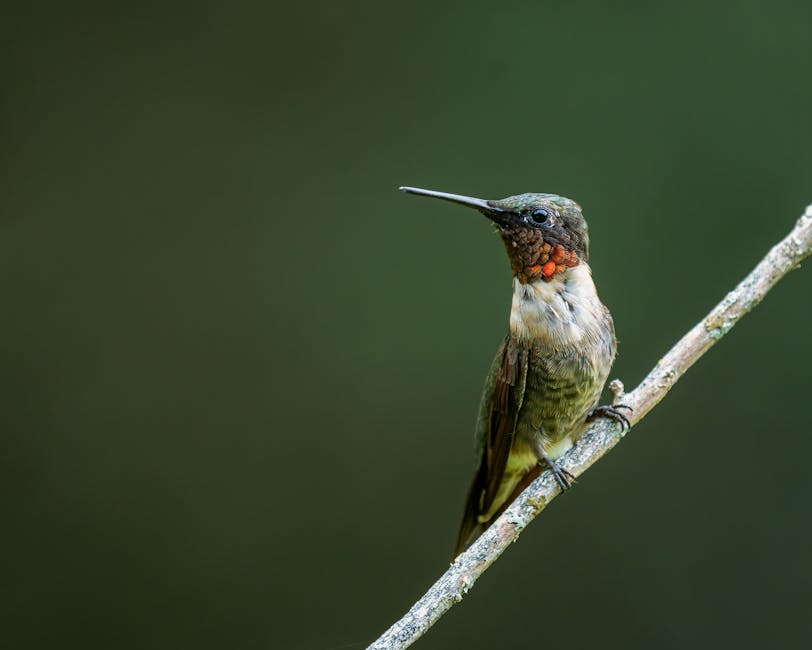
Hummingbirds — these tiny, airborne marvels with flashing colors and furious wings will entire the hearts of anyone lucky enough to spot them. This guide is about recreating their preferred meal, nectar, which is the ideal fuel for their high-octane lives. DIY hummingbird food is simple, safe, and inexpensive, providing a literal energy drink for our feathered friends. In this comprehensive guide, you’ll discover why a homemade recipe is the ideal supplement to a hummingbird’s natural diet, learn to craft your own hummingbird food, and gain valuable tips on serving, storing, and attracting these adaptable avians to your garden.
Understanding the Nutritional Needs of Hummingbirds
Primarily, hummingbirds feed on the nectar of flowers which provides them with the necessary sugars to fuel their rapid metabolism. Natural nectar is high in sucrose, which is particularly vital for supplying these whirlwind critters with the energy they need.
However, homemade hummingbird food acts as a crucial dietary supplement, particularly in times of nectar scarcity or to help new fledglings get a nutritious head start. It’s crucial, though, to understand substances that are harmful to hummingbirds:
• Artificial Sweeteners: These lack the crucial energy hummingbirds require, leading to starvation.
• Red Dye: Unnecessary and potentially harmful. Natural nectar isn’t red; feeder hardware provides enough color to attract hummingbirds.
• Honey or Organic Sugar: These can promote harmful fungal growth.
The Basis of a Hummingbird-Friendly Recipe
So, what is safe and beneficial for our winged friends? Plain, white sugar is the answer. It closely mimics the sucrose commonly found in flower nectar. The key to an effective sugar solution is the correct ratio of water to sugar.
Be sure to maintain a 4:1 ratio, four parts water to one part sugar. That’s the sweet spot, closely mimicking natural nectar’s sugar concentration. Precise measurement is crucial here. Too much sugar can dehydrate the birds, while too little won’t provide enough essential calories.
Step-by-Step Guide to Preparing the Sugar Solution
First, boil the required amount of water. This is not to achieve sterilization, but to easily dissolve the sugar while killing any potentially harmful preservatives or additives. Add the sugar while the water is hot and stir until dissolved. Once your solution is clear, allow it to cool before serving. Hot sugar water can damage a hummingbird’s sensitive throat and tongue.
If you’ve made too much, don’t worry! This solution can be stored in the refrigerator for up to two weeks and served as needed. Remember, to keep your sugar solution fresh, replace it every few days, especially in hot weather, to prevent fermentation or molding.
Serving Your Homemade Hummingbird Food
The selection of your feeder is as important as the food you serve. Choose red feeders without yellow accents; yellow attracts bees. Brightly colored feeders are more visible, and they signal nectar to hummingbirds just as brightly colored flowers do. Acrylic or glass feeders are often recommended for their durability and ease of cleaning. Ant moats or bee guards can also be helpful additions.
Cleanliness of your feeders is crucial. The sugar water, being organic, can promote the growth of mold and bacteria, making hummingbirds sick. Therefore, feeders should be cleaned thoroughly before each refill.
Furthermore, feeder placement plays an important role in attracting hummingbirds. Hang feeders near the cover of shrubs or trees, but not in dense vegetation. The location should offer quick escape options from predators while allowing the birds to survey the area for threats while they eat. Being perceptive observers, once they discover your feeder, they’re likely to frequent your yard, bringing their thrilling ballet right to your doorstep.
Attracting Hummingbirds Beyond the Feeder
Apart from hanging feeders, there are additional ways to make your garden more hummingbird-friendly. One of the best ways is by planting a variety of flowering plants.
Hummingbirds are attracted to brightly colored, tubular flowers. They are particularly drawn to red, orange, and magenta blooms. Therefore, consider incorporating these flowers into your garden landscape to invite more hummingbirds.
Another strategy is to provide hummingbirds with a source of water. Setting up a mister, fountain, or birdbath allows them to bathe and drink, thus making your backyard more appealing to them.
Here’s a shortlist of recommended plant species to cultivate in your garden, based on your U.S. hardiness zone:
• Zone 3-4: Columbine, Lupine, Wild Bergamot
• Zone 5-6: Foxglove, Cardinal Flower, Bee Balm
• Zone 7-8: Salvia, Coral Honeysuckle, Trumpet Vine
• Zone 9-11: Red Hot Poker, Agastache, Fuchsia
Keep in mind that these are just examples, and there are many other native hummingbird-friendly plants available. Research those suitable for your area to give hummingbirds a viable, organic food source alongside your homemade nectar.
In conclusion, remember that the best way to attract and care for hummingbirds is to provide them with a safe, clean, and reliable source of nutrition. By following this guide and supplementing their diet with homemade hummingbird food, you’ll be able to enjoy the dazzling display of these extraordinary creatures all season long. And, who knows? With your help, these fleeting visitors might even become regulars at your backyard oasis, bringing joy and beauty for years to come.
Key Takeaway:
- The hummingbird’s natural diet relies heavily on high-sugar nectar from flowers
- Homemade hummingbird food, made from plain white sugar, is an effective dietary supplementation for them.
- It’s crucial to avoid ingredients like artificial sweeteners, red dye, honey, or organic sugar, which can harm these birds.
- Proper measurement and mixing of water to sugar (4:1 ratio) are essential, as is allowing the solution to cool before serving.
- Steps to make your yard more inviting to hummingbirds include using specific hummingbird feeders, maintaining feeder hygiene, placing feeders strategically, and planning your garden with hummingbird-attracting plants and water sources.
Your enthusiastic commitment to understanding and implementing these guidelines can transform your backyard into a buzzing haven for hummingbirds. Just imagine the joy and tranquility these tiny marvels of Mother Nature bring as they flit and dance around your hummingbird-friendly garden.
FAQs
Q: Is it okay to use brown sugar in hummingbird food?
A: No, it’s advisable to stick to plain white sugar for hummingbird food. Brown sugar, honey, or organic sugar can promote harmful fungus and doesn’t provide the nutrients hummingbirds need.
Q: Can I put food coloring in my homemade hummingbird food?
A: It’s unnecessary and potentially harmful to add artificial coloring to hummingbird food. The color of your feeder will attract hummingbirds, without exposing them to potential toxins.
Q: How often should I replace the sugar solution in the hummingbird feeder?
A: Freshness of the sugar solution is critical. Thus, it is advised to replace it every few days, especially in hot weather to prevent fermentation or mold growth.
Q: What type of flowers should I plant to attract more hummingbirds?
A: Hummingbirds are particularly attracted to brightly colored, tubular flowers like Columbine, Lupine, Wild Bergamot, Foxglove, Coral Honeysuckle, Salvia, Red Hot Poker, and Fuchsia across various climate zones.
Q: Do hummingbirds need a water source in addition to nectar feeders?
A: Yes, providing a source of water like a birdbath or a fountain, in addition to nectar, can make your garden more appealing to hummingbirds.
Feel enriched by this content? Share the article with friends and dive into more enlightening posts on our website.