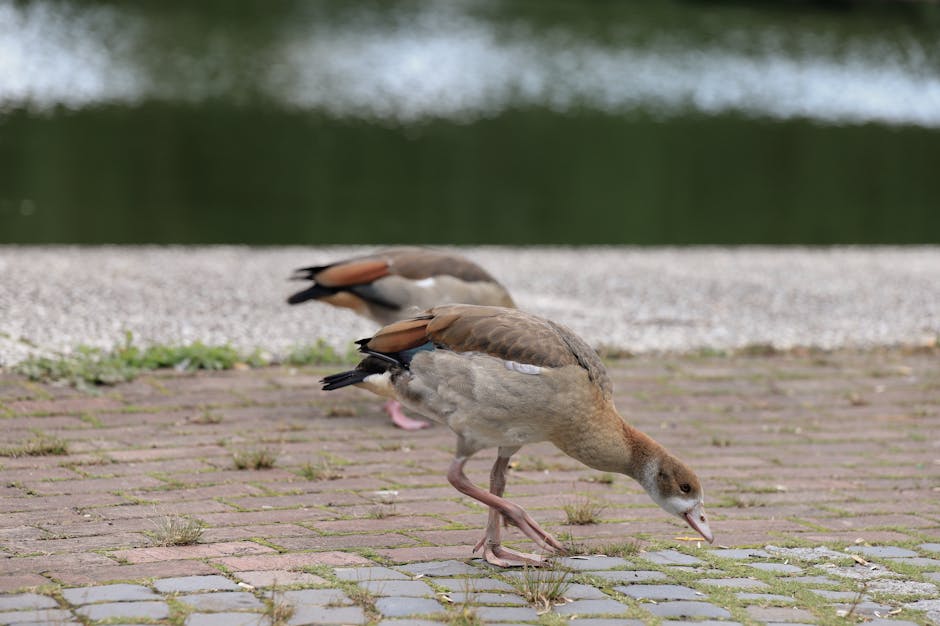
Let’s set the record straight: raising geese can be both challenging and rewarding. While they require specific care and handling, geese can be a delightful addition to your flock, offering lofty benefits beyond their graceful presence. This article aims to guide you through the essentials of raising geese, addressing their needs, managing their health, understanding their behavior, and dealing with the daily challenges.
Understanding the Behavior and Needs of Geese
Observing the behavior of geese can offer many insights into their needs. Geese are notably vocal and protective, using their sharp hisses and honks to communicate. While this can seem overwhelming at first, understanding their signals can immensely aid you in managing your geese.
- Geese are social animals. They need the company of their kind to feel secure. This togetherness manifests in the formation of a flock hierarchy which needs to be respected and understood.
- They’re terrain animals. Open pastures, available water sources like pond or pool, and a safe haven for nesting are parts of their preferred environmental conditions.
Best Practice: Providing each goose with about 20 square feet of coop space can help avoid potential confrontations. Similarly, understanding that aggression is often linked to their protective nature rather than hostility can change your perspective and guide your interaction with them.
Feeding Geese: Essential Nutritional Requirements
Nutrition plays a pivotal role in the health and productivity of geese. While they can be quite hardy and adaptable in their diet, ensuring they receive adequate nutrition helps in their growth, health, and the quality of eggs.
Checklist for Adequate Diet:
• Provide fresh, clean water at all times.
• Offer a balanced diet of grains, greens, and a protein-rich poultry feed.
• Adjust the quantity and diet composition based on their age, size, and purpose (meat production, egg-laying, or simply lawn pets)
Pro Tip: Supplementing their diet with kitchen scraps or garden greens is an excellent strategy to reduce feed cost while ensuring the necessary variety in their diet. However, avoid giving them anything too salty, fatty, or includes avocados, onions, or chocolate, which can be harmful to geese.
Healthcare for Geese: Prevention and Treatment of Common Health Issues
Like any poultry, geese can also be susceptible to various health issues. Early identification and adequate treatment are key for successful recovery.
Common Health Issues:
• Mites and Lice: Look for signs like constant preening, skin irritation, and loss of feathers.
• Bumblefoot: Associated symptoms include limping, inflammation, or a hard callused area on the foot.
• Angel Wing: Involves deformity of wing feathers. It is more common in young, growing geese, brought on by high-protein and high-energy diet.
Best Practice: Regular inspection followed by immediate segregation and treatment of any unhealthy geese can prevent the spread of these ailments. Minimizing stress, providing a balanced diet and maintaining cleanliness are crucial preventative measures.
Geese Breeding: Steps in Incubation and Raising Goslings
Breeding geese can be an exciting venture. From egg laying to hatching and raising goslings, every step is unique and fascinating.
Let’s look at the pros and cons of natural and artificial incubation:
| Natural Incubation | Artificial Incubation | |
|---|---|---|
| Pros | – No need for equipment – Mother goose takes care of turning and warming eggs |
– Better control of temperature and humidity – Able to incubate a larger number of eggs |
| Cons | – Dependent on the geese’s willingness to sit on eggs – Weather conditions may affect the incubation process |
– Requires a good incubator and regular monitoring – Eggs need turning several times a day |
Pro Tip: When raising goslings, ensure they have a warm, dry brooding area and offer a starter feed that is high in protein. Keep them away from open water until they develop their waterproofing feathers – usually around 9 weeks of age.
The Challenge and Reward of Raising Geese
Raising geese does come with its own set of unique challenges – managing their protective tendencies, dealing with potential health issues, providing the right habitat, and ensuring proper nutrition, among others. However, the rewards can far outweigh these if managed properly.
Common Challenges:
- Aggressive behavior during the breeding season
- Maintenance of their habitat
- Cost and availability of high-quality feed
Best Practice: Addressing these challenges entails remaining patient, understanding the behavior of your geese, providing them with proper space, and feeding them appropriately. Having a firm, gentle manner along with consistent care routines can go a long way in managing these challenges.
Tips for Making Geese Raising Easier and Enjoyable
With the proper approach, raising geese can be less of a chore and more of an enjoyable leisure activity.
Checklist:
• Spend quality time with your geese to strengthen the bond.
• Keep a regular check on their health and behavior.
• Maintain a clean and safe living environment.
Best Practice: A well-planned schedule for feeding, cleaning, and spending time with your geese can make your tasks easier and less time-consuming.
Pro Tip: Remember, enjoy the journey! Raising geese can be a source of great joy and fulfillment if you adopt a patient, relaxed attitude and embrace the challenges. The extent of your success will likely depend on your ability to respond to both predictable patterns and surprises that this venture may spring upon you. Happy goose-raising!
Key Takeaway:
- Understanding the behavior and needs of geese can make managing them easier. They are social animals who prefer open terrains with an available water source and need adequate space to avoid confrontations.
- In terms of feeding, geese need a balanced diet of grains, greens, and protein-rich poultry feed. Supplementing their diet with kitchen scraps or garden greens can add variety and reduce costs, avoiding foods that can harm them.
- Regular inspection, immediate treatment of any health issues, and minimizing stress are important for maintaining the health of geese.
- Breeding geese is a fascinating process and each method, natural or artificial incubation, has its pros and cons.
- Raising geese can be challenging but rewarding, with addressing their aggressive behavior, providing the right habitat and nutrition being the most common challenges.
- Through proper care, planning, and a relaxed attitude, raising geese can become an enjoyable leisure activity.
Venturing into the world of Goose-raising might seem daunting at first, but remember – understanding, patience and consistency is the key. As you step into this journey, watch as your feathery friends grow from fluffy goslings into graceful geese, providing both joy and purpose. Enjoy each moment, for the rewards of this journey far exceed the initial challenges. Happy goose-raising!
FAQs
Q: How can I tell if my goose is sick?
A: Look for signs such as constant preening, skin irritation, loss of feathers, limping, or any unusual behavior. Conducting regular health check-ups can enable early identification and treatment of health issues.
Q: Are geese suitable for small backyards?
A: Geese require space to roam freely, about 20 square feet per goose. If you can provide this space along with necessary amenities like a coop and water source, geese can be kept even in relatively small yards.
Q: How long does it take for goose eggs to hatch?
A: Goose eggs typically take about 28 to 35 days to hatch, depending on the breed. This period may vary slightly.
Q: Can geese live in cold climates?
A: Geese are quite hardy birds and can fare well in cold climates. However, proper shelter and additional care during harsh winter conditions are recommended.
Q: How often should I feed my geese?
A: It’s best to feed your geese twice a day – morning and evening, and ensure they have access to fresh drinking water at all times.
Feel free to share and explore more about raising geese on our website. Happy exploring!