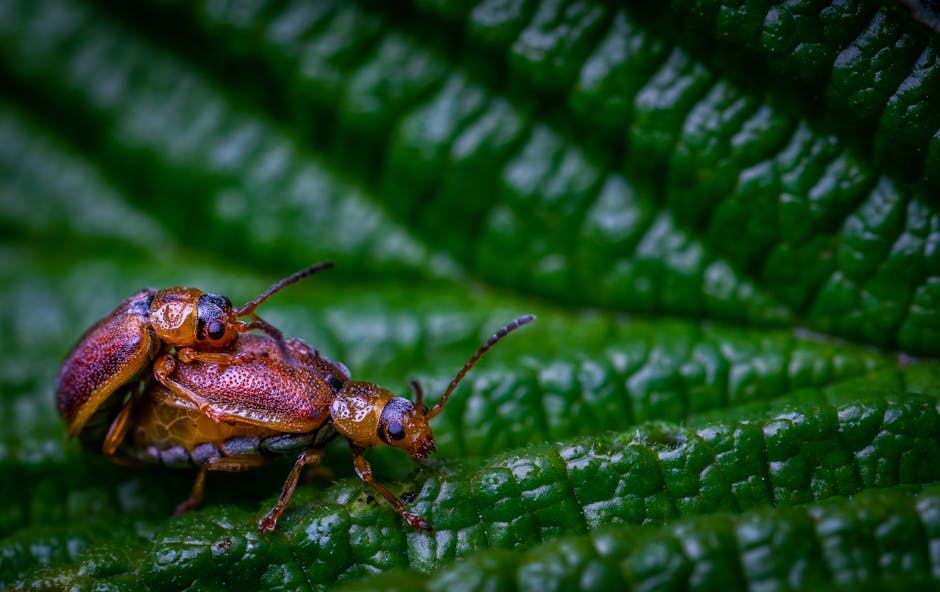
Stink bugs are a common pest in many regions of America, but they are especially prolific in Texas. The hot, humid climate of the Lone Star State creates a perfect environment for stink bugs to thrive. This article will delve into why stink bugs are so prevalent in Texas, the impacts they have on the ecosystem and human wellbeing, and how to manage them effectively.
The Prevalence of Stink Bugs in Texas
Texas is a large state with diverse climates, from coastal areas to arid plains and densely wooded regions. These varied conditions harbor different species of stink bugs, but the most common are the brown marmorated stink bugs and southern green stink bugs. These shield-shaped insects are not native to Texas but have gained a firm foothold due to favorable weather conditions and ample food sources found in both rural and urban areas.
The warm Texas climate accelerates the stink bugs’ lifecycle, allowing them to breed rapidly and become a pervasive pest. Their ability to find shelter in homes and buildings during the colder months ensures their survival and continued spread.
- Common Signs of Stink Bug Infestation:
– Seeing live or dead stink bugs around the home, especially near windows, doors, and light fixtures.
– Spotting their unique shield-shaped bodies – adult stink bugs are almost as wide as they are long.
– Detecting their unpleasant smell, especially when they are disturbed or crushed.
Understanding the Life Cycle of Stink Bugs
Stink bugs, like most insects, go through a life cycle that includes the stages of egg, nymph, and adult. In warm Texas conditions, the life cycle is accelerated, contributing to their rapid proliferation. Stink bugs breed throughout the warm months, and females can lay hundreds of eggs in their short lifetime; these are typically deposited on the undersides of leaves.
To control these pests effectively, you should monitor their life cycle throughout different seasons, focusing on hatching times during the warm period to target the young bugs before they mature and reproduce.
- Steps in the Stink Bug Life Cycle:
– Egg: Stink bugs start their life as tiny barrel-shaped eggs, usually laid on the underside of leaves.
– Nymph: The eggs hatch into nymphs, which resemble small adults but lack wings. They undergo several molts before becoming adults.
– Adult: Adults can live for several months, feeding and breeding freely.
Causes Behind the Proliferation of Stink Bugs in Texas
Stink bugs are remarkably adaptable creatures and can exploit a range of environments. They thrive on a variety of plant species, making the agricultural fields and gardens of Texas perfect feeding grounds. The ongoing expansion of urban development also provides them with ample shelter during the cold months, facilitating their survival and proliferation.
The mild winters in many parts of Texas allow for a longer active period for the bugs, and sometimes a new generation can be produced towards the end of the year. This means that without appropriate control methods, the stink bug population can increase rapidly from year to year.
- Factors Contributing to Stink Bug Growth:
– Temperature: Stink bugs are more active in warm climates and can breed rapidly in the hot Texas weather.
– Food: These pests are not picky eaters and thrive on a variety of crops and ornamental plants present in urban and rural Texas.
– Shelter: Stink bugs can survive the winter by seeking shelter in homes and buildings.
But what does this mean for the Texans who have to share their state with these smelly pests? Let’s delve into the effects of stink bugs on the ecosystem and human life.
Effects of Stink Bugs on the Ecosystem and Human Life in Texas
Stink bugs have a significant impact on the Texas ecosystem and the human life within it. As voracious plant-eaters, they can cause substantial damage to agricultural crops and disturb the balance of local ecosystems by out-competing native species. Among the crops most vulnerable to stink bugs are cotton, corn, soybeans, and various fruits and vegetables.
Moreover, these stinky pests are also a nuisance to homeowners. They can infiltrate homes in vast numbers seeking warmth in winter, and their secretion – aptly giving them the name ‘stink bug’ – can permeate throughout the household. While they don’t pose a direct health threat to humans, their smell and sheer numbers can make infestations extremely unpleasant.
- Harm Caused By Stink Bugs:
– Ecosystem Disruption: By out-competing native species and reproducing rapidly, stink bugs can disrupt the local ecological balance.
– Crop Damage: Stink bugs can wreak havoc on agriculture, causing significant crop losses.
– Home Infiltration: During colder months, stink bugs may invade homes in large numbers, creating a nuisance for residents.
Now that we understand the harm these bugs can cause let’s take a look at the solutions to manage these pests effectively.
Implementing Solutions to Manage Stink Bugs in Texas
Fortunately, homeowners and agricultural professionals can leverage a variety of tactics to manage stink bug infestations, both naturally and chemically. Cultivation practices such as crop rotation and the use of resistant varieties can help to reduce the stink bug population in agriculture. At home, effective sealing of homes and buildings can help to keep out these pests during their hibernation period.
In serious cases, professional pest control services may be necessary. They can correctly identify the stink bug species, understand its habits, and implement targeted solutions that minimize harm to the ecosystem.
- Do-It-Yourself Stink Bug Control:
– Mechanical Removal: If the infestation isn’t too severe, bugs can be removed manually or with a vacuum cleaner.
– Home Sealing: Seal off entry points like windows, doors, and cracks to keep stink bugs out.
– Use of Natural Repellents: Certain natural solutions such as essential oils (mint, lemongrass) and soapy water can deter stink bugs.
When choosing between natural and chemical solutions, consider the scale of the infestation, cost, and how each option might affect your home environment and local ecosystems.
Conclusion
In conclusion, stink bugs, while seeming relatively harmless, can pose significant challenges to the residents and ecosystems of Texas. However, with the right knowledge and resources, Texans can mitigate these problems and discourage the proliferation of these voracious pests. Remember, prevention is the best strategy; by understanding the stink bugs’ life cycle, preferred conditions, and signs of infestation, you can take early action to prevent a full-scale invasion.
Key Takeaway:
- Stink bugs are prevalent in Texas due to the state’s warm, diverse climate and ample food sources from both urban and rural areas.
- The stink bug’s life cycle is accelerated in warm conditions, leading to their rapid proliferation.
- Their adaptability also allows them to exploit a wide range of environments including agricultural fields and urban homes.
- Stink bugs significantly impact Texas’ ecosystem by disrupting local ecological balance and damaging crops. They also infiltrate homes in colder months, creating nuisance to residents.
- Management of stink bugs includes DIY methods like home sealing and use of natural repellents, and professional pest control services for larger infestations.
While dealing with stink bugs may seem challenging, the right knowledge and resources can enable you to manage them efficiently. By understanding their life cycle and recognizing signs of infestation early, you can prevent potential damage and disruption caused by these pests.
FAQs
Q: Are stink bugs native to Texas?
A: No, stink bugs are not native to Texas but have established themselves in the state due to its favorable climate and ample food sources.
Q: How do changes in Texas’ temperature affect the life cycle of stink bugs?
A: The warm Texas climate accelerates the stink bugs’ life cycle, allowing them to breed rapidly. Mild winters also provide a longer active period for the bugs, facilitating their survival and proliferation.
Q: What are some DIY methods for stink bug control?
A: DIY methods for controlling stink bugs include mechanical removal, sealing off entry points in your home, and using natural repellents like certain essential oils and soapy water.
Q: How do stink bugs affect the local ecosystem in Texas?
A: As voracious eaters, stink bugs can out-compete native species, disrupting the local ecological balance. They also cause substantial damage to agricultural crops.
Q: When should I consider engaging professional pest control services for a stink bug infestation?
A: You should consider engaging professional pest control services if the infestation is large, as professionals can properly identify stink bug species, understand their habits, and implement targeted solutions efficiently.
Do share this article if you found it informative and don’t forget to explore more posts on our website!