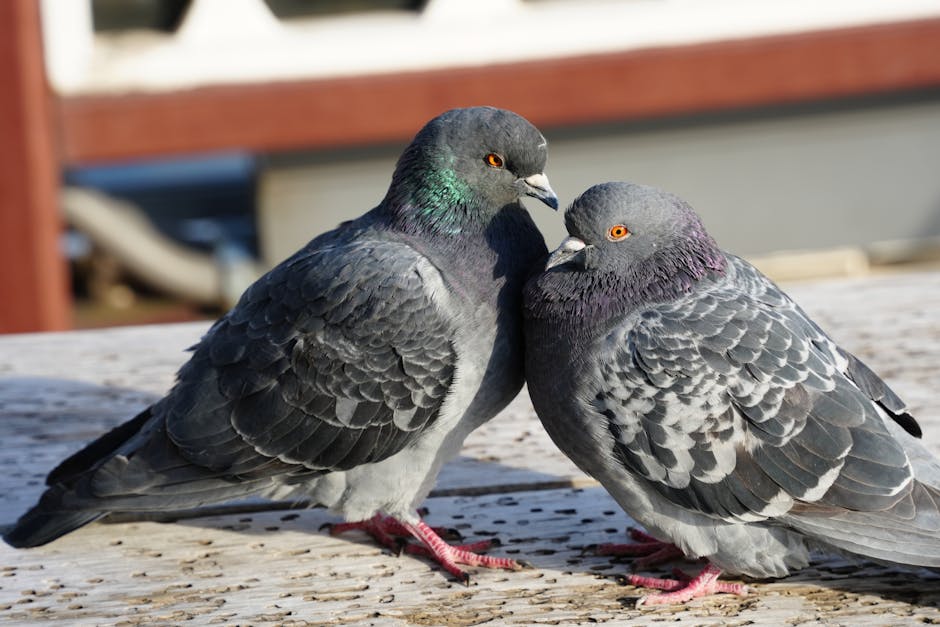
From the rolling coo of the Common Wood Pigeon to the striking blue-grey hues of the Spotted Dove, the species within the dove family are as diverse as they are captivating. Spread across the globe, these species occupy a range of habitats, from arid deserts to lush rainforests, showcasing an impressive adaptability.
Upon first glance, you might think all doves look and behave the same. However, look a little closer, and the rich diversity among these species starts to come alive. There’s a whole spectrum of size and color variations across the different species, each offering its own unique charm. Plus, the ways they communicate, their survival strategies, and even their mating habits can be quite distinct.
Understanding the Diversity Among Dove Species
To truly comprehend dove diversity, one must venture beyond the garden-variety pigeon and explore the hundreds of dove species worldwide.
- Doves are found on every continent except Antarctica, displaying extensive geographical distribution. From urban cityscapes to remote woodlands, these adaptable birds inhabit a wide range of environments.
- The size of dove species varies considerably; from the tiny Diamond Dove measuring a mere 7.5 to 9.1 inches to the hefty Wood Pigeon reaching up to 16.9 inches in length. Color variations are widespread, with plumages ranging from the subtle grey of the Mourning Dove to the rich bronze of the Bronzewing Pigeon.
- Spotting the different dove species comes with practice, and understanding their physical attributes, behavior, and vocalizations is key.
Pro Tip: Getting acquainted with the scientific names of different species, such as Streptopelia risoria (Ring-necked Dove), and Zenaida macroura (Mourning Dove) can provide a significant birdwatching advantage.
Physical Traits That Make Each Species Stand Out
While colour and size are noticeable traits, a trained eye will discern differences in other physical attributes.
- Color patterns of the species offer distinguishing cues. While the Ring-necked Dove features a characteristic dark band on its nape, the Mourning Dove is known for the sharp ‘points’ on its tail feathers.
- Bill shape can also vary among species. Pigeons generally have more extensive and curved bills than smaller doves.
- In some species, males are larger and more vibrant than females, displaying clear sexual dimorphism. Juvenile doves can also show color and size variations compared to adults.
Comparison: For example, the Ring-necked Dove (Streptopelia capicola) features a half-collar or ring on its neck, while the Mourning Dove (Zenaida macroura) doesn’t have such a ring but features pointed tail feathers.
Unique Behavioral Traits of Different Dove Species
Behavioral traits can be as telling as physical ones. Each dove species has evolved distinctive behaviors that set them apart.
- The Laughing Dove, for instance, gets its name from its particular call, which sounds like human laughter.
- The Inca Dove, typically found in dry habitats, takes a peculiar approach to keeping cool. It creates mini dust storms by flapping its wings on the ground, which concurrently scares off potential parasites.
- The Ringdove or Barbary Dove is known for its unique display of preening and ‘bowing’ as part of its mating routine.
Checklist: To differentiate among species, pay attention to their unique traits such as the Inca Dove’s dust-bathing or the distinct ‘laugh’ of the Laughing Dove.
Doves’ Unique Vocalizations and Communication Methods
Each dove species employs unique vocalizations for mating, defending territory, and communicating with the flock.
- The cooing calls of the Common Wood Pigeon are low-pitched and rhythmic, unlike the Mourning Dove’s mournful cooing sounds.
- The Spotted Dove’s staccato cooing is interspersed with long pauses, while the Eurasian Collared Dove’s cooing is a repetitive three-part coo.
Best Practice: By using bird song apps and sound guides, you can learn to identify the unique calls of different dove species, adding depth to your bird watching experience.
The Adaptation and Survival Techniques of Various Dove Species
Survival instincts greatly vary among dove species, influenced by their respective habitats and diets.
- Doves display adaptability in diet. While some, like the Mourning Dove, are generalists feeding on a diverse diet, others, like the Zebra Dove, predominantly feed on seeds, displaying a preference.
- Species living in harsh environments exhibit resilience, like the Inca Dove found in the deserts of Central America. Conversely, species like the Victoria Crowned Pigeon, native to the jungles of New Guinea, rely heavily on their precise habitats for survival.
Pros and Cons: Generalist species like the Mourning Dove may have the advantage of availability of food but face intense competition. Specialist species, on the other hand, have adapted narrowly, which reduces competition but risks extinction if their
Key Takeaway:
- Doves, found on every continent except Antarctica, display enormous diversity due to their extensive geographical distribution. Their size and color differ widely across species.
- Physical attributes like color patterns and bill shape, alongside behavioral traits, make each dove species unique.
- Each dove species uses unique vocalizations for mating, defending territory, and communing with their flock.
- Survival instincts among dove species are influenced by their respective habitats and diets. Some species are generalists thriving on a diverse diet, while others, like specialist species, have adapted narrowly to their environment.
- Conservation initiatives are vital in maintaining dove species diversity. They include legal protections and creating dove-friendly habitats.
The diversity among dove species enriches our world, offering an array of colors, sizes, behaviors, and calls that set them apart. As you explore the world of doves, remember to not just observe, but listen and discover. Their uniqueness lies not only in what we see but also in their behaviors and their communication. So whether you’re a bird watcher, a researcher or just an individual keen on nature, always remember, each time you spot a dove, you’re looking at a unique character in nature’s grand narrative.
FAQs
Q: How does the habitat influence the behavior of different dove species?
A: The habitat greatly influences the behaviors of the dove species. Those living in harsh environments like deserts have evolved unique behaviors to survive as compared to those living in fertile environments like forests or urban landscapes.
Q: Do all doves sound the same?
A: No. Each species has a unique call that plays a crucial role in their social and mating lives. The sounds can range from the rhythmical cooing of the Common Wood Pigeon to the mournful cooing of a Mourning Dove.
Q: What are survival strategies for doves in arid regions?
A: Doves in arid regions like Inca Doves create mini dust storms by flapping their wings on the ground, a mechanism that not only helps them keep cool but also scares off potential parasites.
Q: Are doves’ physical characteristics always consistent within a species?
A: Although certain physical characteristics help in classifying species, there may be variations within species. For instance, males might be larger or more vibrant than females depending on the species, and juvenile doves may also vary in size and color compared to adults.
Q: Besides physical characteristics and behavior, are there any handy tools to help identify different dove species?
A: Yes, bird song apps and sound guides can be really useful in identifying the unique calls of different dove species. These auditory cues are an important trait for bird identification besides physical appearance and behavior.
Beyond the insights shared here, we encourage you to continue exploring more about these captivating creatures. We hope you found this article enriching and invite you to explore more posts on our website. Enjoy bird watching!