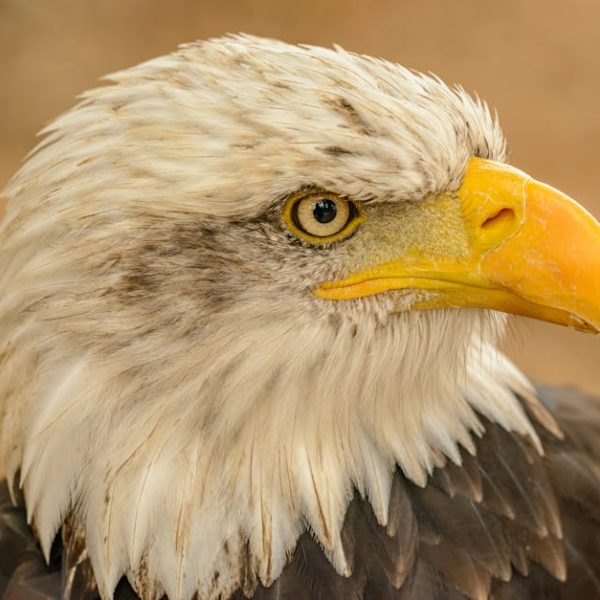

At first glance, hawks may seem like an ordinary bird, but these fascinating creatures hold unique characteristics and abilities, making them a subject of interest among bird-watchers and scientists alike. Cloaked in centuries-old legends and symbolism, their extraordinary physical features, aerial acumen, hunting prowess, and behavior all set them apart from other bird species, demonstrating their irreplaceable role in our diverse ecosystems.
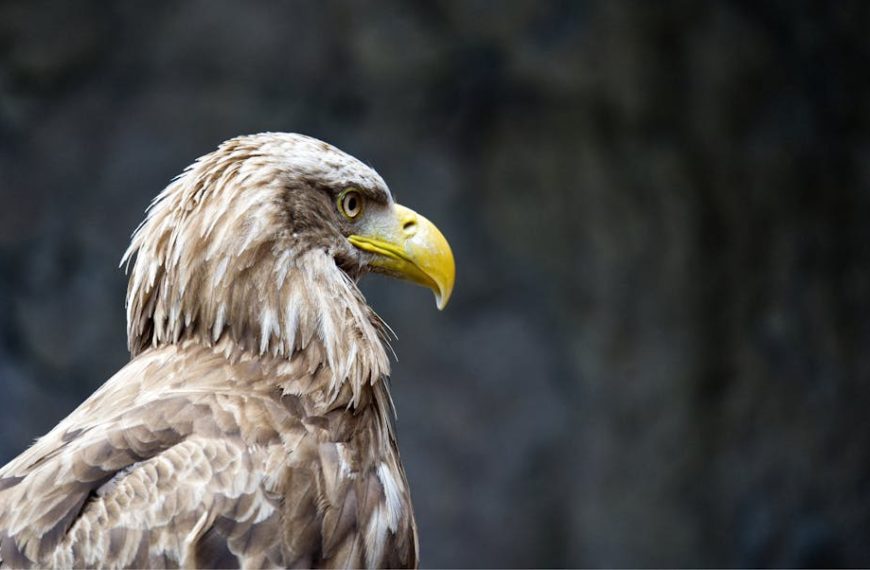
Let’s begin our exploration by delving into the intriguing physical characteristics unique to hawk birds. These majestic birds of prey flaunt an impressive size, with wingspans that stretch up to 56 inches in the larger species like the Rough-legged Hawk. They possess a variety of shades- from creamy whites to browns and grays, varying based on their species and age. Their fierce eyes, sharp hooked beaks, and robust talons are all specialized tools for catching and killing prey. The significant size, color variation, and distinctive features are all markers to help identify hawks.
- Pro Tip: Spotting a hawk in the wild can be exhilarating. Look for a large bird soaring at high elevations, or perched conspicuously, scanning the ground for prey. The broad, rounded wings and long tails are good identifiers of a hawk in flight.
The aptitude for flight and hunting evident in hawk birds is notable. Hawk’s wings are designed for strength and precision, enabling swift flight while retaining outstanding maneuverability. Their keen eyesight, possibly among the best in the animal kingdom, allows them to spot their prey from high above. Hawks are exceptional hunters, using their speed and sharp talons to swiftly swoop and snatch their prey.
When compared to other birds, the superior vision and lethal hunting of hawks set them apart. Compared to pigeons, which primarily rely on keen hearing to detect predators and navigate, hawks have a visual acuity that is eight times that of humans!
- Best Practices for birdwatchers: Dawn and dusk (called ‘crepuscular’ periods) are typically when hawks go hunting, making these ideal times to observe these magnificent birds in action. Watch for their distinctive flight pattern, often described as a flap, flap, glide sequence.
Hawks also present unique behavioral characteristics, displaying fascinating mating displays and territorial habits. They are highly adaptable and can thrive in diverse habitats, from forests and grasslands to suburban settings. Hawks can be found in almost every part of the world, demonstrating their adaptability to various climates and environments.
- Pro Tip: Familiarize yourself with the types of hawks common in your region and their typical behaviors. This knowledge will make your bird-watching experience far more fruitful as it’ll be easier for you to spot and understand the behaviors of different hawk species.
Their significant roles in various ecosystems are another aspect of what makes hawk birds special. Hawks are top predators in their food chain and play a crucial role in controlling rodent populations and other small animals, contributing to a balanced ecosystem they inhabit. They are rightly considered ‘bioindicators’ – their health indicates the overall health of the ecosystems they inhabit.
Checklist: Key points on hawk’s contributions to their ecosystem:
- Prey on small mammals and insects, controlling their populations.
- Mainly feed on rodents, playing a crucial role in maintaining the rodent population.
- Indicate environmental health due to their role as top predators
The population balance of hawk birds is critical to the ecosystem. If their numbers were to decrease significantly, an imbalance may occur in the food chain, leading to overpopulation of their prey. On the other hand, an overpopulation of hawks could result in declining numbers of their prey, leading to potential starvation and death for the hawks.
Hawks also hold symbolic importance in various cultures around the world. In many Native American traditions, hawks are seen as messengers of the spirit world, representing focus, vision, and leadership. Likewise, in ancient Egypt, hawks were revered as a symbol of royalty and associated with the sun god, Ra. In modern times, the hawk’s image is often chosen as a logo or emblem for sports teams, showing strength, courage, and aggression.
List: Cultural significance of hawks
- Native American Culture: Messengers, vision, and leadership
- Ancient Egyptian Culture: Royalty and divine connection
- Modern Pop Culture: Strength and aggression
Comparing the significance of hawks across cultures, it’s awe-inspiring to see how this bird has held such importance throughout history and across various societies.
In conclusion, hawk birds are far from ordinary. Their unique physical characteristics, superior flight and hunting skills, adaptation to various habitats, significant role in the ecosystem, and cultural importance make them one of the most fascinating birds on our planet. As we continue to learn and marvel at their existence, let us also remember to respect and protect these majestic birds for the critical role they play in sustaining our ecosystems.
Key Takeaway:
- Hawk birds possess unique physical characteristics such as size, color variation, sharp beaks and talons that allow them adeptly capture prey.
- They exhibit superior flight and hunting abilities that are unparalleled in the bird kingdom.
- Hawks adapt to diverse habitats and hold unique behavioral characteristics including fascinating mating displays and territorial habits.
- Hawks play a significant part in the ecosystems by controlling the population of small animals and rodents.
- These birds also have symbolic importance and cultural significance in many communities worldwide.
On this journey of exploring the special traits of hawk birds, we’ve realized that these astounding creatures display an array of remarkable characteristics and abilities. They are vital contributors to our ecosystems while also bearing enriching cultural significance. Let’s appreciate and safeguard this astonishing wildlife marvel.
FAQs
Q: Do all hawk birds exhibit the same physical characteristics?
A: While hawks share some general physical features, there can be variations in size, color, and other characteristics across different species.
Q: How can I best observe a hawk’s hunting abilities?
A: The best times to observe hawk’s hunting are in the dawn and dusk periods. Look for their distinctive flight patterns and sudden swoops indicating an attack.
Q: Are hawks found in urban environments?
A: Yes, hawks are adaptable creatures that thrive in diverse habitats, which may include suburban settings.
Q: Why is the population balance of hawk birds significant?
A: An imbalance in the hawk population can upset the food chain, leading either to an overpopulation of their prey or a decline in their numbers due to a lack of food.
Q: What do hawks symbolize in modern culture?
A: In modern times, the hawk’s image is associated with strength, courage, and aggression, often used as emblems for sports teams.
We encourage you to share this article with nature enthusiasts and bird-watching communities. Dive in to explore more engaging stories on our website.