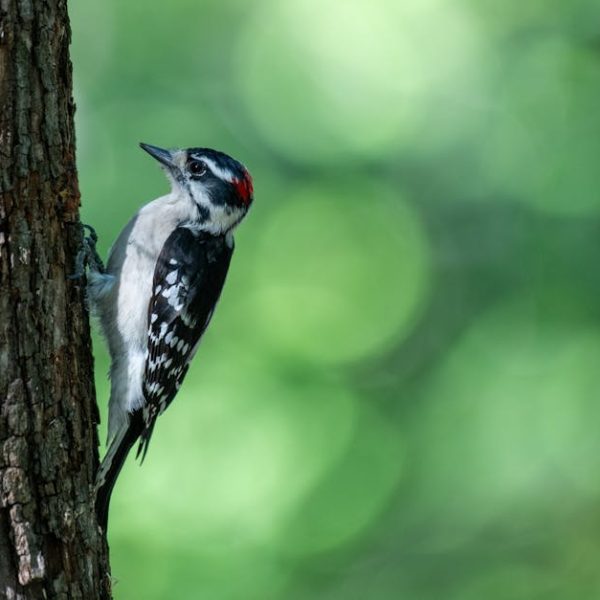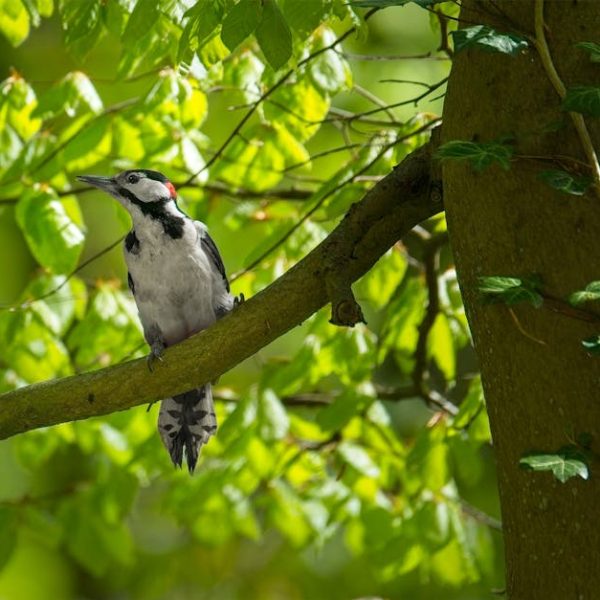
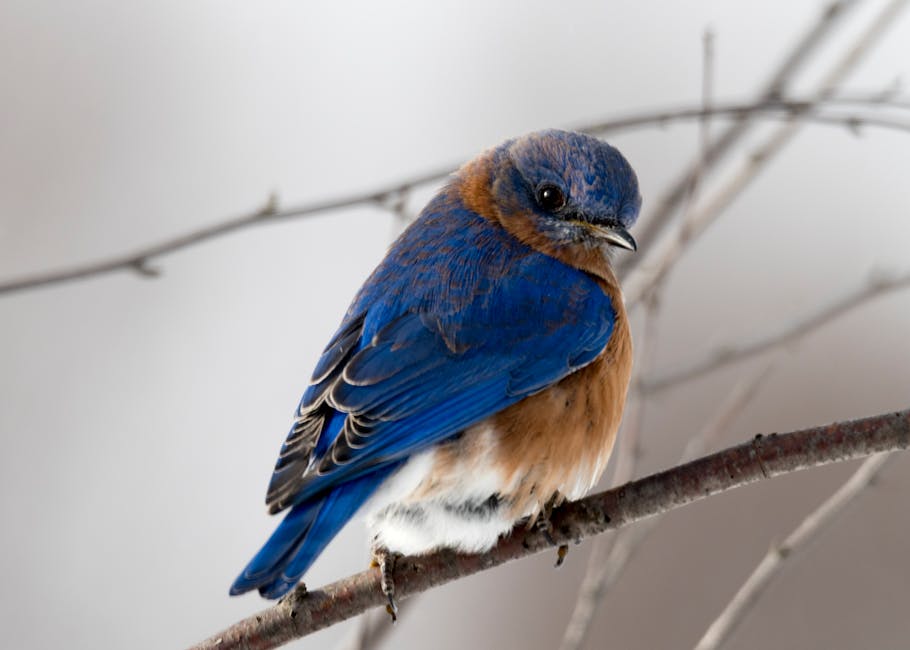
Birds, as versatile and adaptable creatures, modify their behaviors according to the changing seasons. This adaptability is profound, especially when it comes to their sleeping habits during winter. In this chilly season, you might be wondering where our feathered friends take refuge to snatch a few winks. Indeed, unearthed in this article are the interesting winter resting places and unique characteristics exhibited by birds while dormant during the colder months.
Impact of Seasonal Changes on Bird Habits
The winter season introduces drastic environmental transformations such as shorter days, colder temperatures, and food scarcity. Birds, in response, exhibit alterations in their behaviors and routines to sustain life. The most noticeable change is probably in their sleeping habits. Birds resort to a host of adaptations such as changing their sleeping locations and joining communal roosts to conserve heat.
Some key climatic changes affecting bird conduct include:
- Falling temperatures causing birds to seek insulated sleeping spots
- Shortening daylight hours, leading to earlier roosting times
- Scarcity of food prompting energy conservation
Pro Tip : You can discern these seasonal changes by paying close attention to bird behavior during diverse climatic conditions.
The Phenomenon of Migration
Migration is a key strategy adopted by many bird species to survive the harsh winter. Birds migrate to warmer regions where food is abundant. This grand journey influences their sleep cycles too, as they typically sleep during the night after a day of strenuous flying.
Migratory habits vary widely among bird species. For instance, Swallows cover thousands of miles to warmer African regions, while Robins undertake shorter trips only moving to areas with abundant food supply.
For avid bird watchers, the spectacle of migratory birds in flight is quite intriguing. The best times to watch these birds are during dawn or dusk when they start or finish their daily migration journey.
Coping Tactics: Bird Hibernation & Torpor
Did you know some birds enter a state of hibernation while some go into a torpor during winter? Indeed, this deep sleep or lethargic state enables them to conserve much-needed energy during these harsh periods.
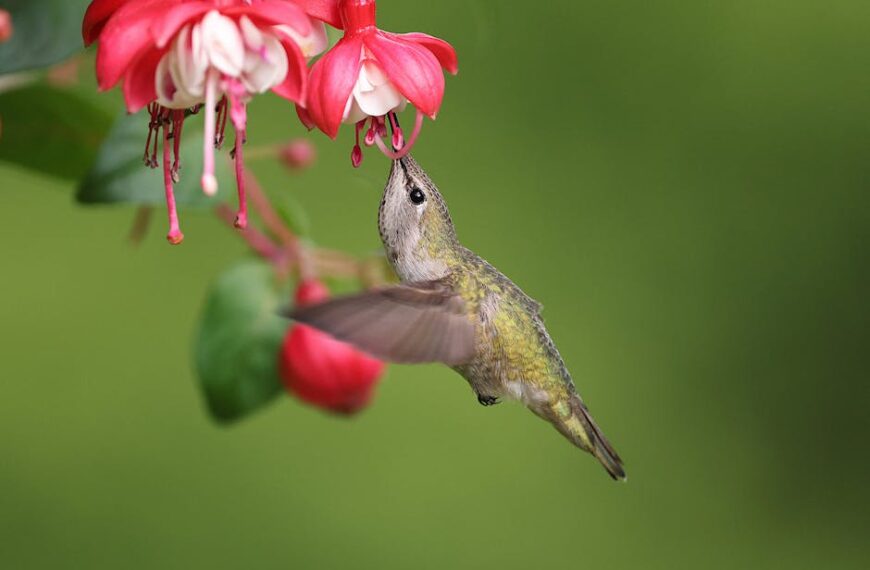
Hibernation is a prolonged period of deep sleep that a few bird species like the Common Poorwill employ, while torpor is a period of temporary, physiological inactivity utilized by species like Hummingbirds. While both strategies help conserve energy, they also expose the bird to potential predators due to their lower responsiveness.
Birds prepare for hibernation or torpor by:
- Increasing their fat reserves
- Finding a safe and secluded location
- Reducing activity levels to conserve energy
Although these survival tactics come with risks such as susceptibility to predators due to decreased alertness, the benefits outweigh the downsides, particularly when these birds face tough living conditions.
Common Sleeping Decisions Among Birds in Winter
For birds that remain in their natural habitats during winter, their sleeping spots vary just as much as their species type. Birds select their bedtime spots based on safety, temperature regulation, and proximity to food sources.
Common sleeping places include tree hollows, dense shrubs, birdhouses, and even under the snow! For instance, Chickadees shelter in cavities they’ve excavated in rotting wood, whereas Sparrows opt for dense vegetation or human constructions to shield themselves from the cold and winds.
Pro Tip : If you want to help birds during the winter, you could create a bird-friendly environment in your backyard. Provide birdhouses for safe refuge and bird feeders to assist with their food supply.
Unusual and Surprising Bird Sleep Habits in Winter
As we unravel the mysteries of bird behavior, we may encounter several surprises. Did you know, for instance, that some Ptarmigans are known to burrow under the snow for sleep during winter? Or that Swifts stay airborne even while sleeping, cutting down on the need for terrestrial roosts?
Exploring these unique behaviors and comparing them to typical bird sleep habits underlines the endless diversity in avian adaptations. Observing bird behavior can provide a fascinating insight into nature’s coping mechanisms.
Best practices for spotting these habits include:
- Watch birds at twilight as they settle for the night
- Look for atypical behavior or locations
- Document your observations for further research
Witnessing the artful adaptability and resilience in these unique bird behaviors is both captivating and educational! Observing how birds face the cold and manage to rest in winter will only enhance your admiration and understanding of these winged wonders.
Key Takeaway:
- Seasonal changes instigate significant adaptations in bird behavior, including their sleeping habits.
- Migration is a survival mechanism that dramatically influences the sleep cycles of many bird species.
- Some birds resort to hibernation and torpor, forms of deep sleep, to conserve energy during winters.
- Non-migratory birds choose diverse sleeping spots like tree hollows, nests, birdhouses, and even under the snow to stay warm and safe.
- Birds exhibit some intriguing and unexpected sleep behaviors during the winter season, demonstrating their unique adaptability.
Caring for our feathered friends during winter can be a rewarding experience. You can make a difference by providing birdhouses for refuge, bird feeders with nutrient-rich food, and by being watchful of their habits. Observing these magnificent creatures and learning about their adaptations can facilitate a greater appreciation for birdlife and nature as a whole.
FAQs
Q: Do all bird species migrate during winter?
A: No, not all species migrate. Migration largely depends on the species and their ability to adapt to colder conditions. Some birds tolerate winter climates and stay in their habitats year-round.
Q: Do birds hibernate the same way as mammals?
A: Not usually. While some bird species like the Common Poorwill do hibernate, others like Hummingbirds enter a state of torpor, which is a short-term form of hibernation.
Q: How can I assist birds in surviving winter at home?
A: You could create a bird-friendly environment by providing birdhouses for refuge and bird feeders with seeds and suet. This will provide them with a safe place to rest and ample food supplies.
Q: What challenges do birds face during winter?
A: Birds face several challenges during winter include scarcity of food, colder temperatures, increased predation risk, and the energy trade-off between staying warm and finding food.
Q: How can I attract more birds to my garden or balcony during the winter?
A: Providing food and shelter are the best ways to attract birds. Nutrient-rich food like seeds, nuts, and suet beckon birds. Additionally, structures like birdhouses or nest boxes provide them with a safe resting place.
We encourage you to explore more articles on our website and don’t hesitate to share this one with fellow bird lovers and nature enthusiasts!