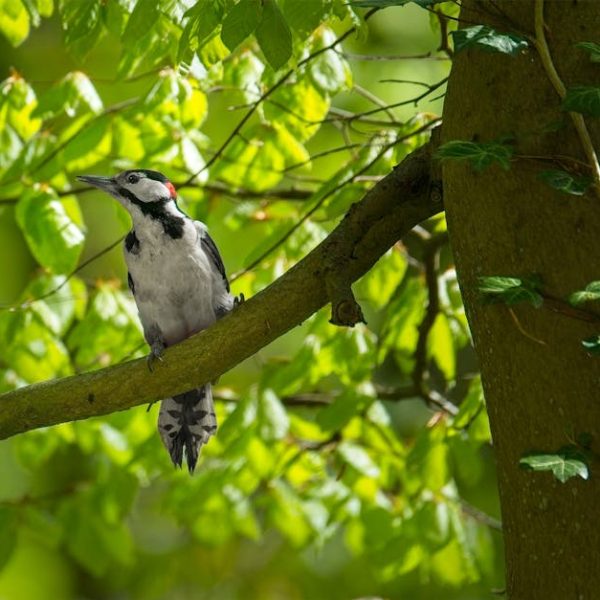
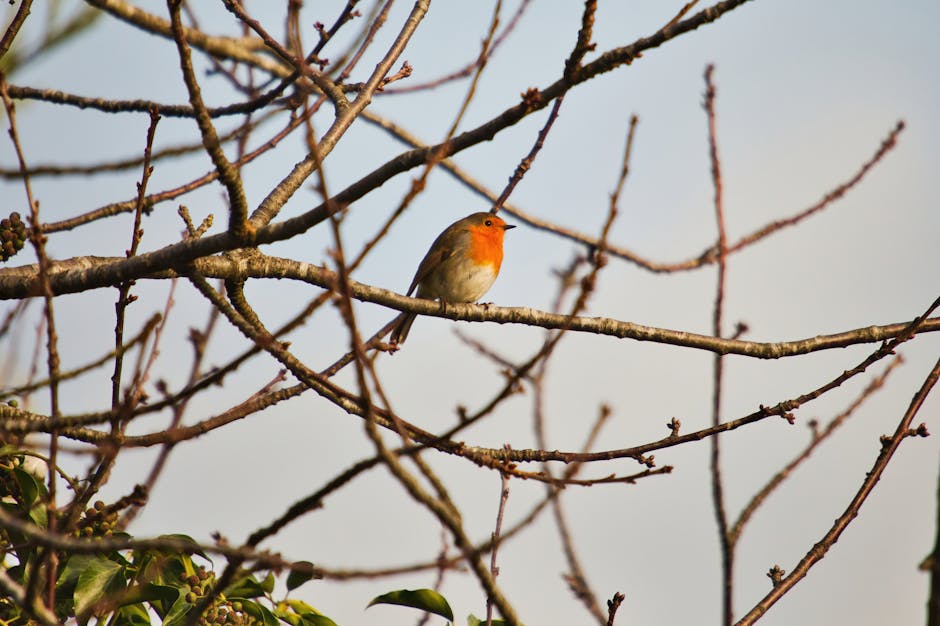
Imagine waking up to the melodious twittering of birds, their songs cutting through the tranquility of dawn like a symphony. This natural concert, referred to as the ‘dawn chorus,’ is not only music to our ears but also serves various intriguing biological purposes. From attracting mates to asserting dominion over territory and feeding habits, birds’ dawn singing has been a subject of fascination for scientists, bird-watchers, and nature-enthusiasts alike. This article uncovers the reasons behind this captivating behavior, revealing the fascinating biological cues, diverse mating rituals, territorial proclamations, and the advantages of the crack of dawn.
The Biological Rationale Behind Birds Singing at Dawn
Birds sing at dawn due to many biological reasons. For starters, these early-morning serenades facilitate mate attraction, enable birds to establish their territory, and synchronize feeding routines.
- Mate Attraction: The dawn becomes a stage for birds to vocally flaunt their vitality and woo potential partners.
- Establishing Territory: Birdsong signals to other creatures about the bird’s command over a particular territory. The louder and clearer the song, the stronger the message.
- Feeding Routines: The early morning light results in a flurry of insect activity, and the birdsong coordinates feeding routines among young chicks.
Mate Attraction: The Dawn Chorus as Nature’s Dating App
The morning chorus for many bird species is essentially their version of a dating app. Every dawn, they ‘slide into the DMs’ of potential partners with unique songs. For example, the melodious symphony of a Blackbird or the cheerful warble of a Song Thrush is aimed at winning affection from their desired mate. These songs not only act as calls to attract partners but also display the bird’s health and vibrancy, crucial factors for partner selection.
- Next time you hear the morning serenades, listen carefully. Are the notes strong, clear, and varied? That could be a love song!
- Pay attention to the duration of the song. Usually, the longer and more complex the song, the healthier the bird.
Establishing Territory: Using Song to Protect and Proclaim
Territory is everything for a bird – the area where they find food, mate, and build their nests. Therefore, they’re very protective of it. Dawn songs serve as a verbal boundary marker indicating to others that the territory is occupied – a ‘no trespassing’ sign in the bird world! The European Robin, a species notoriety for its territorial behavior, can frequently be heard singing at dawn, sending a clear message to other Robins to steer clear.
- The Song Sparrow is known for its loud, distinctive dawn chorus used to establish boundaries.
- The American Robin often sings when defending its territory, with its song being more aggressive at dawn.
As a listener, differentiating territorial songs can be a bit tricky. However, territorial songs tend to be louder, longer, and more repetitive, covering a wider range of notes. Understanding these nuances can enhance your dawn bird watching experience.
The Significance of Singing at Dawn: The Advantage of the Early Morning
Ever wonder why birds choose the crack of dawn for their grand symphony? The early morning offers numerous advantages for effective communication. The quiet and stillness of dawn allow sound to travel further, reaching a wider audience. Additionally, singing in the morning reserves the rest of the day for crucial activities like feeding and nesting.
-If you compare the afternoon to dawn, you’ll notice a considerable dip in the volume and intensity of bird songs.
-For the best bird choir experience, opt for rural or quiet suburban areas over bustling city centers. The fewer competing noises, the clearer the birdsongs!
We’ll conclude this part with a brief look at the cultural implications of bird song. From Native American folklore to European poetry, birds singing at dawn is a universal symbol of hope, rebirth, and the beauty of nature. We’ve been captivated by these sounds for centuries, turning them into music, literature, and art. Stay tuned to know more about various artworks and pieces of literature influenced by birds’ morning serenades in the next part.
Human and Cultural Connections to the Dawn Chorus
The dawn chorus doesn’t solely serve a biological purpose; it’s an integral part of numerous human cultures, resonating through literature, art, and music. It has been symbolic of the awakening of life and a fresh start. This universal phenomenon has defied language barriers and cultural differences, providing inspiration across diverse spheres of human creativity.
- Art: The simplicity and tranquility in the works of iconic artists like Claude Monet’s ‘Impression, Sunrise’ reflect the spiritual impressions of the dawn chorus.
- Literature: The classical literature piece ‘Birdsong’ by Sebastian Faulks explores the vivid imagery offered by birdsong at dawn.
- Music: Numerous composers, including Beethoven, Ralph Vaughan Williams, and Olivier Messiaen, have integrated bird themes into their music as a tribute to the dawn chorus.
Checklist of Artworks Inspired by the Dawn Chorus
| Artworks | Type |
|---|---|
| Sunrise Symphony | Music |
| The Birdcatcher | Literature |
| Rise and Shine | Art |
Humans have long drawn inspiration from the beauty and complexity of nature. The ever-fascinating dawn chorus is no exception. As we continue to unveil the mystery behind why birds sing at dawn, it’s critical to highlight the importance of preserving these natural habitats to ensure that future generations can also witness and appreciate this mesmerizing morning symphony.
Key Takeaway:
- Birds sing at dawn due to several biological reasons such as attracting mates, establishing territory, and coordinating feeding routines—often using unique songs to achieve these ends.
- The early morning provides an ideal setting for birds to communicate effectively. The quiet and stillness of dawn allows their songs to travel further and reach a wider audience.
- Beyond their biological function, the dawn songs of birds hold considerable cultural significance across human societies, inspiring music, art, and literature.
It’s fascinating how nature holds such wonderful mysteries and delights for us to discover. So go ahead, the next morning, surrender to the thrilling symphony of the dawn chorus and be a part of this mesmerizing ritual. Whether you are a bird watcher, an early riser, or simply a nature admirer, you’ll be captivated by this spectacular performance.
FAQs
Q: Do all bird species sing at dawn?
A: While most birds engage in the dawn chorus, not all bird species sing at dawn. Some species might be more active at other parts of the day depending on their feeding and mating habits.
Q: Are there differences in the dawn chorus throughout the year?
A: Yes, the dawn chorus varies throughout the year, typically reaching a peak in spring and early summer when birds are breeding.
Q: Does human noise pollution affect the dawn chorus?
A: Unfortunately, yes. Human-induced noise pollution can disrupt the dawn chorus, causing stress to birds and impacting their communication.
Q: Can I tell the health of a bird by its song?
A: While it’s not definitive, a bird’s song can provide some indicators of its health. Generally, a louder, clearer, and more complex song indicates a healthier bird.
Q: How can I best experience the dawn chorus?
A: For the best experience, opt for quiet, natural locations away from human noise pollution. Dawn, especially during spring and early summer, is the best time to hear the dawn chorus.
This article is just the beginning of the fascinating world of bird songs. Share it to invite others into this remarkable aspect of nature, and explore more of our posts to deepen your understanding of the world around us.