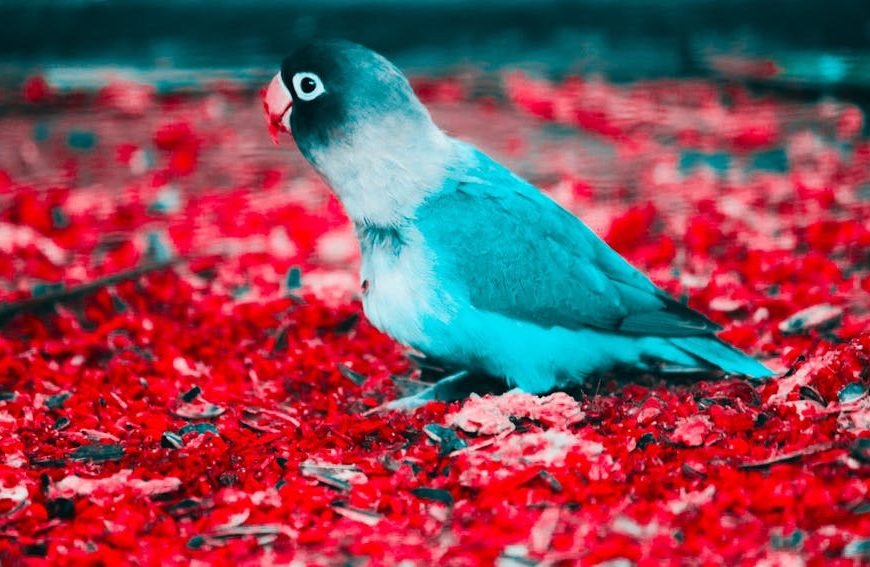
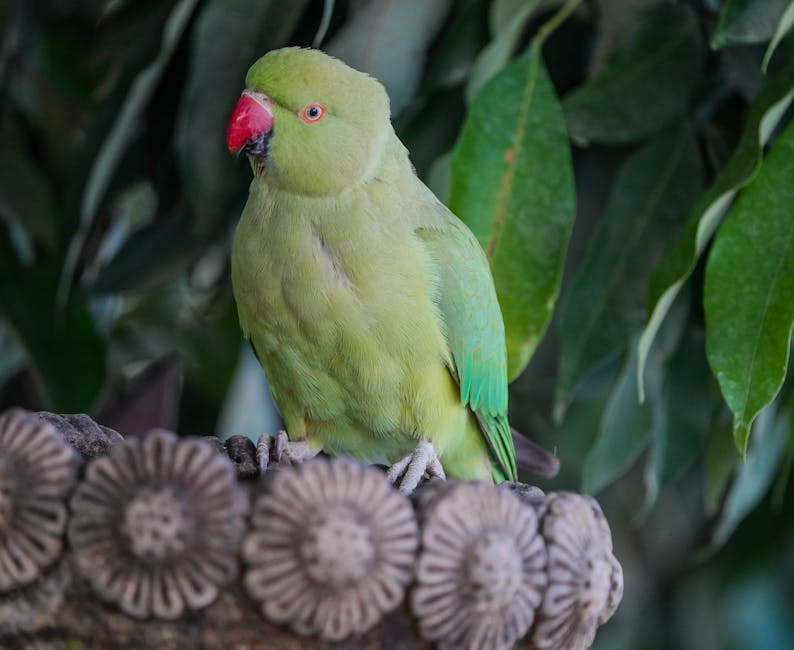
Parakeets, also known as budgerigars or budgies, are known for their social and playful nature. However, like any animal, they too have their disputes. These disagreements can sometimes escalate to fighting, leading parakeet owners to ask, Why are my parakeets fighting?. Understanding what triggers these disputes can help prevent them, leading to a peaceful atmosphere within the cage. Various reasons ranging from territorial disputes and the onset of sexual maturity, to infirmities, and even environmental stressors can cause friction among these otherwise cheerful birds.
Territorial Disputes
Similar to many other species, parakeets tend to be territorial. The confines of their cage are seen as their domain, and any intrusion into this space might result in conflict, especially if they feel threatened. Additionally, competition for nesting sites and food sources can exacerbate territorial disputes.
✔️ Pro Tip: Watch out for warning signs of territorial aggression such as excessive squawking, charging, or chasing. To reduce conflicts, consider creating separate territories within one cage using dividers or separate feeding and nesting spaces.
Sexual Maturity and Mating Behavior
Parakeets reach sexual maturity at around three to six months of age, and this can significantly change their behavior. Specifically, they may become more aggressive due to hormonal changes, competition for mates, and nest guarding. These changes can result in fights between parakeets.
✔️ Best practices: During the mating season, bear in mind that heightened aggression may be a result of sexual maturity. Consider separating birds if fights occur frequently, and reintroduce them gradually once the hormones cool down.
Ill Health or Injury
A parakeet that is sick or injured might become a target for other birds in the cage, leading to fights. Alternatively, a sick bird might become more irritable and initiate conflict as a defensive method. Several signs, such as ruffled feathers, lethargy, and loss of appetite, can indicate ill health in parakeets.
▶️ Pros and Cons: A sick parakeet may require separate housing for a while to help it heal without further stress from other birds. While this provides a peaceful environment for recuperation, it also disrupts the bird’s normal social interactions, which could impact its emotional health.
Environmental Stressors
Environmental factors can also play a significant role in parakeet disputes. Noise and commotion, inconsistency in feeding schedules, and overcrowding conditions can all stress parakeets and trigger fights.
Checklist: To reduce stress, maintain a serene and stable environment. Keep cage sizes appropriate, avoid sharp noises, and stick to regular feeding times. Good care and attention can go a long way in ensuring your parakeets remain calm and contented.
With a better understanding of the factors causing clashes between your parakeets and the ways to manage these situations, you’re well-equipped to ensure a harmonious cage environment. In the next section, we’ll illustrate conflict resolution and prevention strategies to help further.
Conflict Resolution and Prevention Practices
Conflict among parakeets should not always be viewed as a negative aspect. Quite like humans, parakeets too use disputes to communicate their needs and establish hierarchy. However, when these disagreements escalate into more aggressive behavior, intervention is necessary to maintain the peace.
✔️ Tools and Strategies:
– Understanding behaviour: Familiarise yourself with signs of agitation like puffed feathers, beak snapping, or stress squawking. Recognizing these early onset signs can help prevent fights from escalating.
– Resources: Parakeets fight less when they don’t have to compete for resources. Ensure there are sufficient feeders, perch spaces, and toys for each bird.
– Prevent Power Struggles: Changes to the cage set-up can disrupt the established pecking order among your parakeets, leading to disputes as they vie for the dominant spot. Try to keep changes to a minimum and slowly introduce new elements to keep the atmosphere harmonious.
Conclusion
As you can see, there’s no one-size-fits-all answer to the question Why are my parakeets fighting?. The causes can range from being inherent in nature like territorial disputes to factors related to health or environment. The key is to understand the cause and address it. By reassuring your parakeets of their safety, keeping their cage neat and consistent, and attentively caring for their health, you can mitigate and even eliminate most parakeet disagreements. Happy upkeeping, and may your birds chirp in harmony!
Key Takeaway:
- Parakeets may fight due to instinctual territorial disputes triggered by intrusion into personal space and competition for resources.
- Sexual maturity, with resultant hormonal changes and competition for mates, can cause aggression in parakeets, leading to fights.
- Illness or injury can make parakeets irritable and defensive leading to conflicts or they may become a target of attacks from other birds in the cage.
- Environmental factors including noise, inconsistent feeding schedules, and overcrowding in the cage can cause stress leading to fights.
- Understanding parakeet behavior, providing adequate resources, and maintaining a stable cage environment are essential strategies for preventing and resolving conflicts.
Parakeets have a social and playful nature. While they may sometimes engage in fights due to various triggers such as territorial disputes and hormonal changes, with proactive measures and thoughtful care, it’s possible to maintain a peaceful and harmonious environment for your feathered friends. Remember, knowing your parakeets and their specific behaviors can go a long way in ensuring their well-being.
FAQs
Q: How old are parakeets when they reach sexual maturity?
A: Parakeets usually reach sexual maturity between the ages of three to six months.
Q: What are the signs of a sick parakeet?
A: Signs of illness in a parakeet can include ruffled feathers, lethargy, and loss of appetite.
Q: Can changes to the cage set-up cause disputes among parakeets?
A: Yes, changes to the cage set-up can disrupt the established order and hierarchy among your parakeets, leading to conflicts as they vie for dominance.
Q: Are there ways to create separate territories within a single cage?
A: Yes, using dividers or establishing separate feeding and nesting spaces can help create separate territories within a single cage, reducing conflicts.
Q: Can environmental factors cause parakeets to fight?
A: Absolutely, environmental factors such as noise, inconsistency in feeding schedules, and overcrowding conditions can stress parakeets and trigger fights.
Please explore more of our articles for further insights into the world of parakeets and share this post with fellow parakeet-lovers to help spread knowledge and understanding of these delightful creatures.