With a plethora of stunning birds nestled in its lush habitats, Thailand is nothing close to being underwhelming for the eager birdwatcher. The country is home to a myriad of not just diverse, but incredibly unique avian species, making it a veritable hotspot for ornithological enthusiasts. From the majesty of eagles to the vibrancy of kingfishers, Thailand is home to a myriad of avian treasures just waiting to be discovered. Today, we will take you through ten exceptionally stunning Thai birds that you ought to see.
The White-bellied Sea Eagle is amongst these marvelous birds you can spot in Thailand. Recognised by its incredibly large size, this raptor sports a predominantly white and grey plumage that contrasts beautifully against the tropical greens of the Thai forest. Visualise a strong, wide-winged creature with piercing eyes and a hooked beak scanning the waters for its next meal, and you’ve got a pretty clear image. For anyone travelling to Northern Thailand, the Doi Inthanon National Park, and the Gulf of Thailand’s coast are favourite spots for witnessing this stunning bird.
Pro Tip: Mornings, particularly just after sunrise, are the ideal time to spot these majestic birds, as they are usually most active during this period.
If there’s one bird that’s a true symbol of Thailand, it’s the Siamese Fireback. Known as Thailand’s national bird, its remarkable design, composed of iridescent blue feathers, gold hues, and a distinctive crest, sets it apart in the dense forest undergrowth. These birds prefer open woodlands and have been spotted fairly regularly in Khao Yai National Park, Phu Khiao Wildlife Sanctuary, and the Huai Kha Khaeng Wildlife Sanctuary.
Quick Checklist for Siamese Fireback Spotting:
- Binoculars: To get a close-up view without disturbing these often elusive birds.
- Camouflage Clothing: To blend into the landscape and increase your chances of spotting them.
- Patience: They are expert hiders despite their colourful plumage.
The Black-naped Oriole, on the other hand, draws attention to itself through sheer color and sound. Brilliant yellow plumage set against jet black eyes and markings make it an unmissable sight. Its song–a combination of clear flutes and twitters–is a defining characteristic of the Thai tropical forests.
Being respectful while birdwatching not only allows for a better experience but also helps in conservation efforts. Best practices when searching for the Black-naped Oriole include minimizing noise, not approaching nests or babies, and not using flash photography.
Seeing stunning birds such as these can bring great joy, but it can also be a bit challenging. They dwell in the deep rainforest and might be wary of revealing themselves to human visitors. However, their unique colorings and engaging call notes make them worth the search.
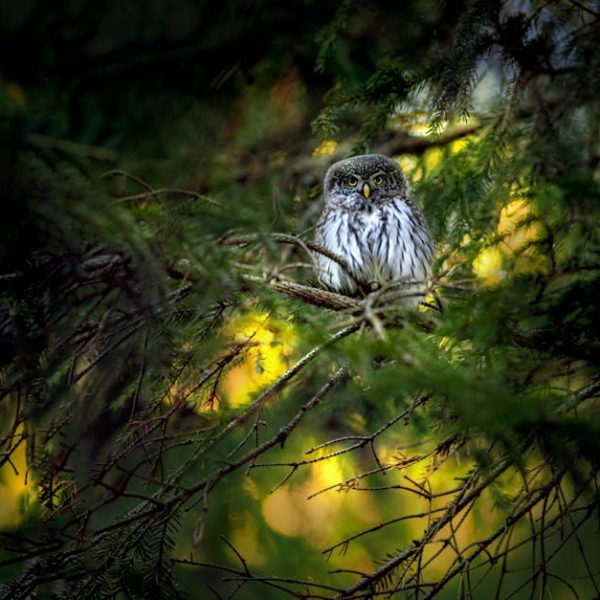
Stay tuned as we continue our journey towards more breathtaking birds of Thailand in the next segment. Next on our list is the mysterious Collared Owlet, a nocturnal bird, delighting night-time birdwatchers with its eerie beauty. Despite being one of the smallest owl species in the world, it more than makes up for it with its distinctive white and grey feathers and mesmerizing gaze. You’d think those big eyes might make them easy to spot—that’s where you might be wrong. They prefer to spend their time in dense canopies and thick foliage, making them a challenging, yet rewarding find.
To put things into perspective, here’s how our beloved Collared Owlet compares to Thailand’s diurnal (daylight-loving) birds:
| Bird Species | Active Time | Size | Habitat |
|---|---|---|---|
| Collared Owlet | Nocturnal | Small | Dense Canopies |
| Siamese Fireback | Diurnal | Medium | Open Woodlands |
| White-bellied Sea Eagle | Diurnal | Large | Coastlines and Open Skies |
When embarking on an owlet spotting expedition, remember to pack a powerful flashlight, insect repellent, warm clothing, and a trusty camera.
Up next is the Crested Serpent Eagle, a true testament to the robust biodiversity of the Thai avian scene. Largely found in the plains of Pattani and Yala in Southern Thailand, these raptors with their brown-bodies and white V marks, are a mesmerizing sight to behold. The Crested Serpent Eagle gets its name from the fact that it primarily feasts on serpents and lizards.
Pro Tip: Keep your ears tuned to a distinct shrill whistle, often an indication of this bird soaring high above in the sky.
Adding a splash of colors to the Thai bird population is the Common Flameback, whose bright colors and drumming sounds are an instant attraction in the forests. This woodpecker species, fond of tree trunks and tall branches, is often spotted in the mixed deciduous forests of central Thailand.
Interestingly, unlike many of the other woodland dwelling birds of Thailand, the Common Flameback seeks sunlight and prefers being active around mid-morning and late afternoon. So, make sure to schedule your birdwatching adventure at these times for a higher chance of a fabulous Flameback encounter.
Switching gears from the tree-trunk drummer to nature’s talented aviator, the Blue-throated Bee-eater is a sight to behold! Known for its impressive speed and agility when hunting bees and insects mid-air, it’s a striking emblem of the lively tropics. Commonly seen near water bodies, keep a lookout for these birds around the Wat Tam Pa Plong and Temple Pond areas.
Essential Checklist for Spotting the Blue-throated Bee-eater:
- High-Speed Camera: To capture their rapid flight and hunting.
- Sun Hat and Sunglasses: These birds are often spotted on sunny days near water bodies.
- Bird Guide Book: To assist in identifying the different bee-eater species.
Returning to the realms of the water dwellers, we find the Asian Openbill. Recognizable by its odd open bill shape and its light-hearted, elegant glide, it is a unique gem in the Thai bird scene. Surprisingly, these birds have adapted to urban regions and are frequently spotted in paddy fields, waterlogged grasslands, marshes, and even in places close to human habitation in central Thailand.
When birdwatching in these environments, remember to respect these birds’ space, avoid littering, and stick to the designated walking paths. Also, always be conscious of your noise level—birds can get easily disturbed by loud sounds.
The exquisite Red-whiskered Bulbul stylizes the Thai bird scene with its sassy mohawk crests and vibrant plumage. Often seen in pairs in suburban gardens, plantations, and secondary forests, their striking appearance and melodious whistling are endearing qualities.
Remember our Pro Tip from earlier? Use that same whistle to locate these charming flyers in the wild, as they have a chatty nature and aren’t quite as elusive as their peers.
Finally, let’s meet one of the grandest residents of the Thai aviary kingdom – The Pied Hornbill. Recognizable by its grandeur stature, distinctively curved bill and casque, they truly represent a sight of regality. Mostly seen in the Similan Islands and the forests of Khao Sok National Park, these omnivorous birds have a preference for fruit, making fruiting trees an ideal spot to watch them.
The
Key Takeaway:
- Thailand offers a plethora of stunning birds in its diverse and rich habitats, making it a haven for birdwatchers.
- Each bird, such as the White-bellied Sea Eagle, Siamese Fireback, and Black-naped Oriole, has unique traits and live in specific habitats within the country.
- Certain tools and practices, such as the use of binoculars, camouflage clothing, and respecting bird habitats, enhance the birdwatching experience.
- Notable bird attributes, like the Blue-throated Bee-eater’s speed and agility, the Asian Openbill’s adaptive abilities, and the Pied Hornbill’s grandeur, make birdwatching in Thailand an unforgettable experience.
As we again delve into the feathers and wings of these magnificent Thai birds, it is important to remember that their beauty lies not only in their vibrant colors or striking appearances, but also in their unique behaviors and adaptations to their habitats. With respect and admiration for these avian marvels, let’s continue our exploration of birdwatching in Thailand, further enriching our understanding and love for the natural world.
FAQs
Q: What clothing should I wear when birdwatching in Thailand?
A: It’s advisable to wear camouflage clothing which blends in with the landscape, making you less noticeable to the birds and increasing your chances of spotting them.
Q: What are some important birdwatching etiquettes I should follow?
A: Keep noise levels to a minimum, do not approach nests or young birds, and avoid flash photography as it can startle the birds.
Q: Is it possible to spot the White-bellied Sea Eagle in southern Thailand?
A: Yes, the White-bellied Sea Eagle can be spotted along the coast of the Gulf of Thailand.
Q: What is the best time to observe the Common Flameback?
A: Unlike many woodland dwelling birds, the Common Flameback seeks sunlight and is often active around mid-morning and late afternoon.
Q: Are there places where the Blue-throated Bee-eater can most commonly be found?
A: These birds are commonly spotted around the Wat Tam Pa Plong and Temple Pond areas, particularly near water bodies.
We encourage you to share this article and explore more posts on our website to further enhance your birdwatching experience. Enjoy your avian adventures in Thailand!