Washington State, with its diverse landscape ranging from the coastal seaboard to high alpine environments and lush inland forests, is a birdwatcher’s paradise. With over 500 bird species reported, it offers something for everyone. We will delve into the specifics, tips, and key aspects of spotting some of the most amazing avian life across Washington, from beginners to those adding to their life list.
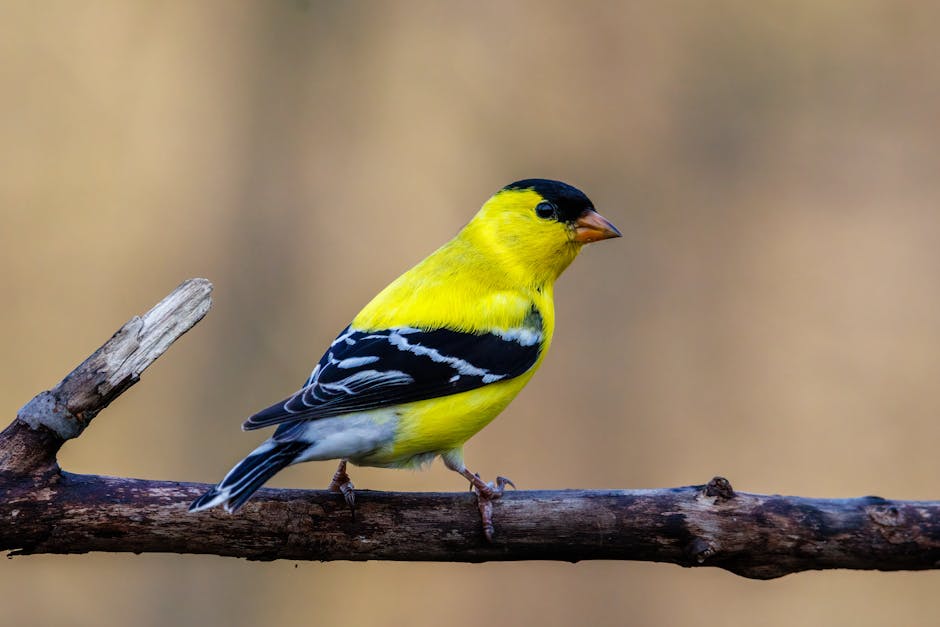
American Goldfinch
Meet the American Goldfinch, the state bird of Washington. Characterized by its bright yellow plumage in the summer and olive color during winter, this lively bird is a star attraction for birdwatchers. Usually found in weedy fields and floodplains across the State, spotting this bird is primarily about understanding its habitat. Places like Scatter Creek Wildlife Area, Sunnyside Beach Park, and Theler Wetlands are known to harbor this splendid songbird. Increase your chances further by visiting during their most active hours, which are early morning and late evening.
Red-tailed Hawk
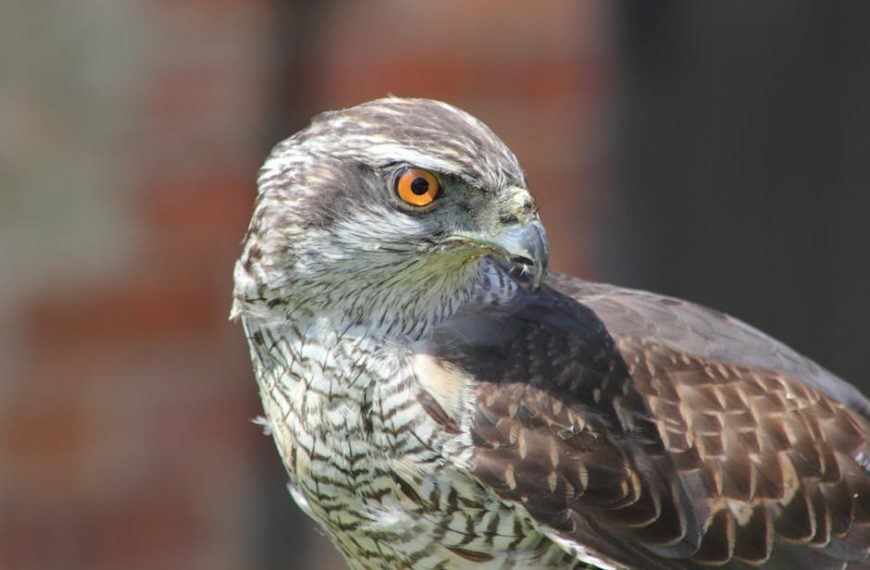
The Red-tailed Hawk is another prominent bird across Washington State. Its broad, rounded wings and short, wide tail make it easily recognizable. These majestic raptors can be found perched high enjoying a panoramic view of open fields and deserts or soaring in wide circles. A Red-tailed Hawk’s cry is often used in movies, making it likely a sound you’ll recognize! Despite this, spotting these birds can be challenging due to their high flying patterns. However, their frequent cries will lead you to them.
Bald Eagle
No bird symbolizes America like the Bald Eagle, and in Washington State, it is no different. With their snowy-feathered (not bald) heads and white tail standing against brown bodies, spotting them is relatively easy. From the Skagit River to Lake Roosevelt, you will find these majestic creatures, especially during the salmon run between December-January. A pro tip: during your birdwatching escapades, remember to look up overhead; you would not want to miss these massive birds soaring high in the sky.
Northern Flicker
The Northern Flicker is not your typical woodpecker. Fond of the ground, identifying this bird is about paying attention to its unique field marks such as a black crescent-shaped bib on the chest and spotted underparts. Keep an eye (and ear) out for their unique ‘flickering’ flight and listen for their loud and rolling ‘flick-a-flick-a-flick-a’ call. The moist forests of Mount Rainier National Park or the Nisqually National Wildlife Refuge are great places to start your search.
Anna’s Hummingbird
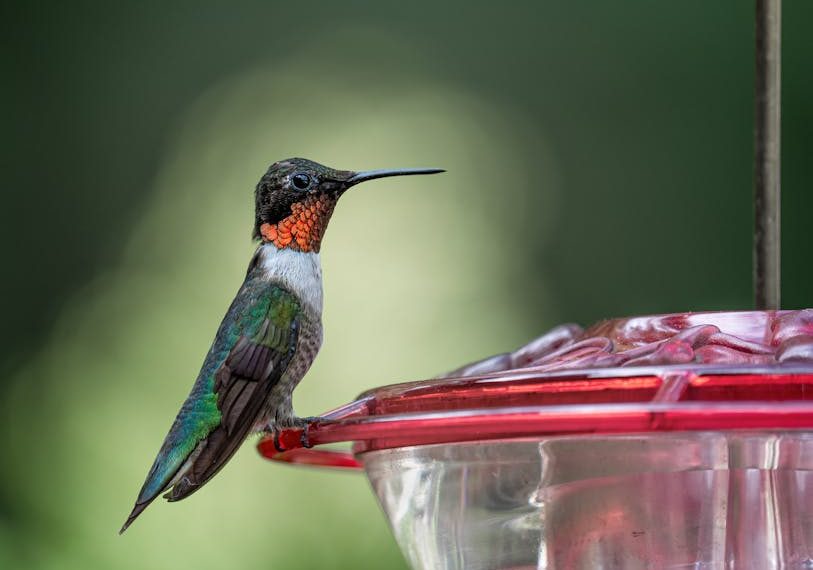
Of all the bird species found in Washington, few are as fascinating as the Anna’s Hummingbird. With males flaunting an iridescent, rosy-red crown and throat that can catch sunlight at specific angles, spotting this bird is like winning a birdwatcher’s jackpot! Creating a garden with flowering plants that bloom in winter will enhance your chances of attracting these beauties.
This is just the beginning of the extensive variety of birds you can encounter while birdwatching in Washington State. We will continue exploring other equally enchanting bird species in the next part of this series. Happy birding!
Great Blue Heron
The Great Blue Heron is truly a sight to behold. Known for its long legs, sinuous neck, and pointed bill, it dwarfs most other bird species in Washington. These majestic birds are easily identifiable by grey-blue plumage, a wide black stripe above the eye, and black plume feathers extending from back of the head. Keep a lookout for these birds in both freshwater and saltwater habitats, standing statuesque along shorelines or wading in shallow waters, including places like Juanita Bay Park and Nisqually National Wildlife Refuge.
Pileated Woodpecker
The Pileated Woodpecker is impossible to ignore due to its size—it’s nearly as large as a crow! This bird stands out with its jet-black body, bright red crest, and a white line down its neck. Known for making loud, distinctive drumming sounds, keep your ears attuned. Old-growth forests or dead trees at the Billy Frank Jr. Nisqually National Wildlife Refuge or the Colville National Forest are prime spots to find the Pileated Woodpecker.
Osprey
Meet the Osprey, the bird of the sea. One of the largest birds of prey in North America, the Osprey is recognized by its deeply hooked bill and white head. The most distinctive behaviors of Ospreys revolve around its fishing technique. Look out for their spectacularly high dives into water bodies – straight on or from great heights. Spots like the San Juan Islands, Lake Washington, or the wetlands in Seattle’s suburb of Kenmore are great places to spot this thrilling bird in action.
Black-capped Chickadee
For quick agility and upbeat tempo, few can match the sprightliness of the Black-capped Chickadee. Despite being the smallest of the lot, these daring birds often get noticed due to their buzzing calls and acrobatic antics. Not only do they have a distinctive chick-a-dee-dee-dee call, they exhibit a fearless nature, often approaching humans out of curiosity. For stunning close-up experiences, head to Washington Park Arboretum in Seattle.
Stellar’s Jay
Distinguished by its bold blue and black coloration and conspicuous crest, the Stellar’s Jay is a delight to spot. These birds are known for their mimicking abilities, imitating birds, cats, dogs, chickens and even mechanical objects. Although looking for these birds can be entertaining, it can often be challenging due to their elusive nature. Places with dense conifer forests like the Olympic National Park provide ideal habitats for Stellar’s Jays.
As you proceed with your bird spotting adventure in Washington, these species will truly amaze you. Each encounter with these birds is a reason to appreciate the rich biodiversity of the state more. So, gear up with your binoculars, notebook, and heaps of patience—you’re in for an enriching experience. Happy birdwatching!
Key Takeaway:
- Birdwatching in Washington State is a rewarding experience due to the state’s rich avian biodiversity.
- Tips and tricks have been provided for spotting 20 bird species, including the American Goldfinch, Red-tailed Hawk, and Bald Eagle.
- Useful information about the distinctive characteristics of each bird species has been shared.
- The ideal habitats, regions, and times to spot these birds have been addressed.
Remember, birdwatching is not only about spotting and identifying different species—it’s about appreciating each bird’s unique traits, behavior, and role in the ecosystem. Practice patience, learn from each sighting, and cherish those moments of sudden discovery. Happy birdwatching!
FAQs
Q: What’s the best time of day for birdwatching?
A: It primarily depends on the bird species you’re aiming to spot. However, early morning is generally ideal as most birds are active at this time, feeding and singing. On the other hand, late evenings can be perfect for spotting certain species as well.
Q: What kind of equipment do I need when birdwatching?
A: A good pair of binoculars is essential to closely observe birds, notebooks for jotting down sightings and a field guide for identification. Wearing neutral or green/brown colored clothes to blend in with your surroundings can be a good idea.
Q: Is there any particular behavior to adopt during birdwatching?
A: Always respect wildlife. Keep a safe distance from birds, minimising any disturbance to them. Avoid any sudden movements or loud noises, and make sure not to stray from trails or trespass onto private property.
Q: Can I attract birds to my backyard for birdwatching?
A: Absolutely! A well-stocked bird feeder and a bird bath can attract numerous bird species to your backyard. Planting native flora that produce seeds and berries can also encourage birds to visit.
Q: Why should I keep a record of the birds I spot?
A: Keeping a record helps you learn more about bird species, their behaviors, and migration patterns. It is a way of enhancing your birdwatching experience, and could also contribute to citizen science projects on bird population tracking if you share it with relevant organizations.
Become a part of our birdwatching community and share your beautiful moments of birding. Go through more of our articles and posts on different species to enhance your knowledge. Happy birdwatching!