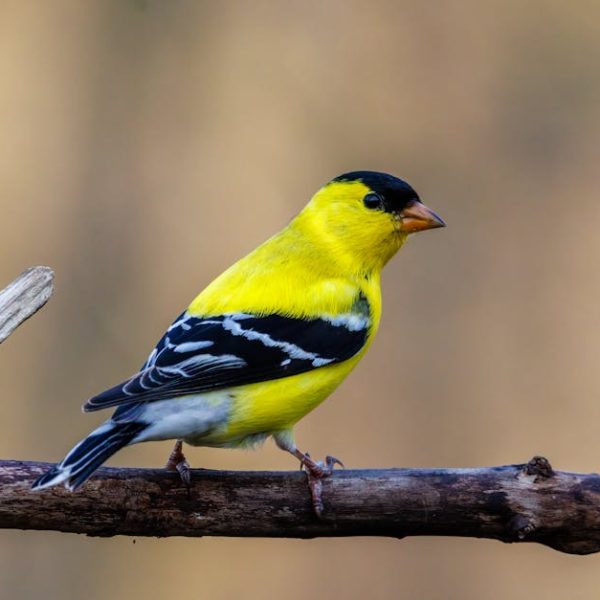
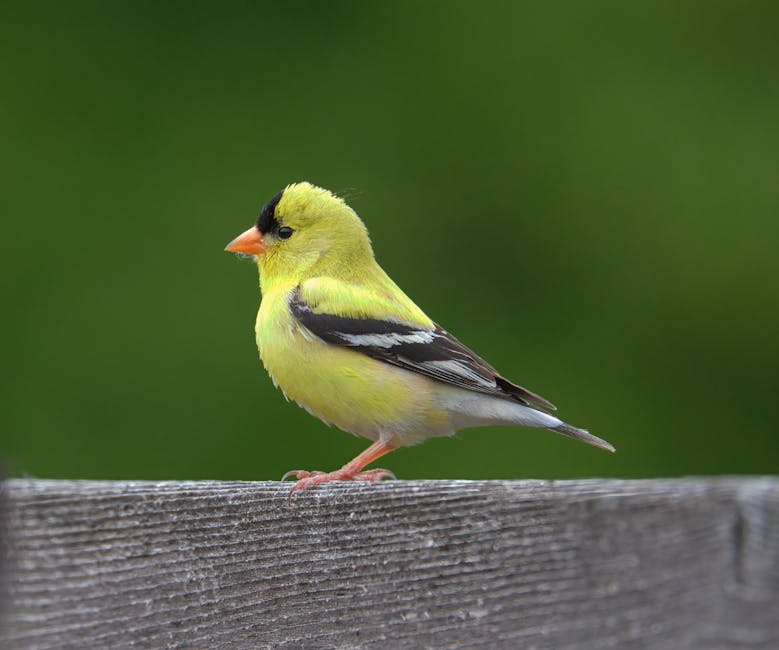
It’s a joy to watch the beautiful female Goldfinch flitting about in your backyard. With her characteristic olive-green body and subtle black and white striped wings, her bird-chirp serves as a charming auditory backdrop to a quiet afternoon. If you’re keen on enticing these delightful visitors to spend more time in your yard, here are the top five tips to make your space attractive to a female Goldfinch.
Understanding the Female Goldfinch’s Attraction Features
The behaviors and characteristics of the female Goldfinch significantly determine what draws them. Goldfinches, unlike many other bird species, breed later in the year, timed to the peak abundance of seeds in their habitats. This distinct behavior informs their choice of environment, predominantly seeking out areas rich in plants such as dandelions, thistles, and sunflowers that produce abundant seeds. However, their preferences extend beyond Rrecipes for nutrition, safety, and a suitable breeding environment also play a part in their decision-making.
Checklist of key attraction features:
- A variety of seed-producing plants such as sunflowers, dandelions, thistles
- Safe and quiet nesting sites, ideally away from crowded birdfeeders
- Fresh, clean water for drinking and bathing
- Screening from potential predators
Pro Tip: Understanding birds’ behaviors, feeding, and nesting habits can help predict what might attract them to your backyard.
Provision of Food to Attract Female Goldfinch
One of the most effective ways of attracting female Goldfinches is to provide a steady supply of their favorite foods. Goldfinches are granivorous, which means they primarily eat grains or seeds. Sunflower seeds, dandelion seeds, thistle seeds, and seeds from coneflowers are particularly popular with female Goldfinches. But food is not just about diversity; feeder placement also plays an essential role. Goldfinches prefer to feed in open spaces, with feeders recovered from ground predators, and adequately spaced to avoid competition and overcrowding.
Recommended food items:
- Sunflower seeds
- Dandelion seeds
- Thistle seeds
- Seeds from coneflowers
Types of Bird Feeders:
| Feeder Type | Pros | Cons |
|---|---|---|
| Tubular Feeders | Good for smaller birds like goldfinches, keeps seeds dry | Can cause crowding if not adequately spaced, not ideal for larger seeds |
| Platform Feeders | Accommodate all seed sizes, easy to clean | Unprotected from weather and predators, seeds can get wet |
Creating A Female Goldfinch-friendly Habitat
Creating a safe and comfortable home for goldfinches goes beyond just feeding. Encouraging native plants around your yard that act as natural sources of food and shelter for these birds can significantly increase goldfinch populations. Seed-producing flowers, small shrubs, and trees for cover and roosting are fundamental elements for a Goldfinch-friendly environment. Try to maintain a serene environment because goldfinches, like many bird species, thrive in quieter locations that are safer and less disturbed by human activity.
Checklist of elements that constitute a Goldfinch-friendly habitat:
- Seed-producing flowers and plants
- Small shrubs and low trees for roosting
- Quiet and serenity
- Adequate distance from high foot-traffic areas
Best Practice: Regularly maintaining and trimming your plants ensures they remain an attractive habitat for goldfinches, providing food, cover, and a suitable nesting site.
Providing Water Sources for Female Goldfinch
Goldfinches, like all birds, need a steady water supply for drinking and bathing. Having clean, fresh water in your backyard can attract them. Birdbaths are a popular option but remember – the shallower, the better. Goldfinches prefer a depth of around 1-2 inches.
Step-by-step guide on setting up a birdbath:
- Choose a birdbath with a depth of not more than 2 inches.
- Place the birdbath in a shaded area protected from predators.
- Keep the water fresh by replacing it every 1-2 days.
- Clean the birdbath regularly to remove feathers, leaves, and other debris.
Pro Tip: Avoid placing the birdbath close to feeders as spilled seeds can turn your clean water into a messy slush.
Ensuring Safety – Predators and Pesticides
Safety is a prime concern for any bird. Predators such as cats and hawks, and human activities can deter Goldfinches from visiting your backyard. Discourage predators by placing feeders and birdbaths at least 10 feet high and away from areas where predators can hide and launch surprise attacks. Avoid using pesticides in your garden, because they pose a health risk to the birds.
List of common Goldfinch predators:
- Domestic and feral cats
- Larger birds of prey
- Squirrels
Best Practice: Implement natural and eco-friendly methods to manage pests, like bug-eating birds or insects, planting pest-resistant flowers, or using bird-safe repellents.
In summary, attracting the whimsical female Goldfinch to your backyard is not as complicated as it seems. Understanding their behavior and preferences, providing food and water, and creating a safe and comfortable habitat can result in a steady stream of these gorgeous birds adding life and color to your garden. Try these top 5 tips today, and enjoy the delight of watching Goldfinches frolic in your backyard.
Key Takeaway:
- Understanding the behaviors and characteristics of the female Goldfinch is key to attracting them.
- The provision of food, especially preferred seeds, plays a vital role in attracting female goldfinches.
- A safe and comfortable habitat that promotes native plants, and provides a serene environment, can drastically boost Goldfinch populations.
- Availability of a steady supply of clean, fresh water is another essential factor in attracting Goldfinches.
- Guaranteeing safety from predators and avoiding the use of pesticides is critical for the welfare of these creatures.
In challenging everyday life, observing the delightful presence of Goldfinches in one’s backyard can often bring a cherished sense of peace and joy. And it’s not beyond reach, just some understanding of the bird’s preferences and attention to simple details like food, habitat and safety can turn your yard into a haven for these beautiful creatures. So, embrace the tranquility these little visitors bring and enrich your connection with nature.
FAQs
Q:Where should I place a bird feeder in my yard?
A: Bird feeders should ideally be placed in open spaces, high off the ground to protect from predators. They should also be adequately spaced to avoid crowding and competition among birds.
Q: What precautions should I take when using a birdbath?
A: Ensure to keep the birdbath clean and replace the water every 1-2 days. Avoid placing the birdbath near feeders to prevent the water from being contaminated by spilled seeds.
Q: Are there any specific plants that Goldfinches favor?
A: Yes, Goldfinches show a preference for plants that produce abundant seeds, including sunflowers, dandelions, and thistles.
Q: What are the most common threats to Goldfinches?
A: Common threats to Goldfinches include larger bird predators, domestic and feral cats, squirrels, and human interference through the use of pesticides and other harmful substances.
Q: Are Goldfinches sensitive to noise and human activities?
A: Yes, Goldfinches, like many bird species, prefer quieter locations that are less disturbed by human activities.
Don’t stop exploring the wonders of nature. Share this article with your fellow bird lovers and explore more posts on our website to deepen your understanding of these magnificent creatures.