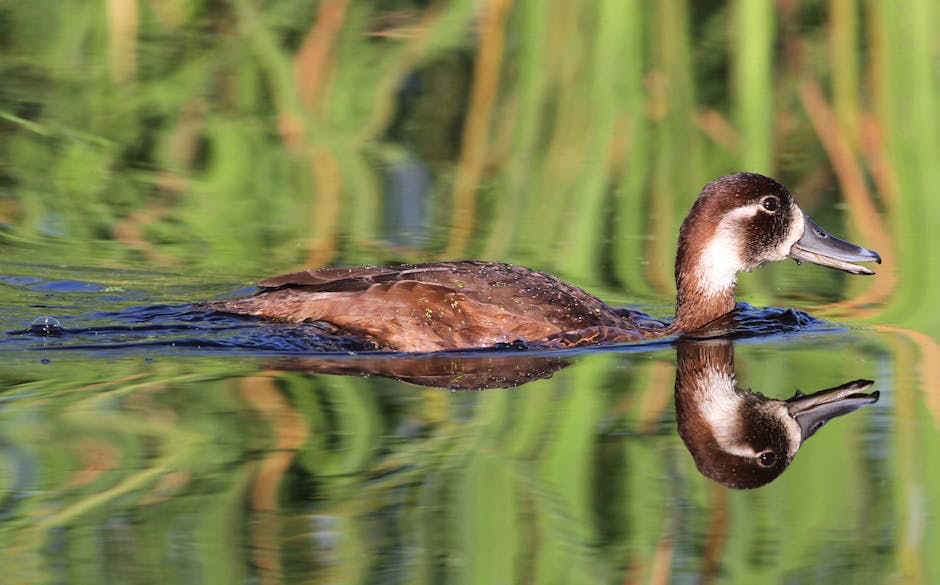
Ducks, a member of the avian family, are intriguing creatures with characteristics that set them apart from others. These birds are semi-aquatic and elegantly manage to lead a comfortable life both on land and in water. Being attentive to their anatomy, particularly the legs, provides an insight into their versatility. However, many find themselves asking, ‘How many legs do ducks have?’ The short and direct answer is two. But what makes this more compelling is the composition and function of these legs, not just the number. This article delves into the intrinsic details of a duck’s legs, their structure, significance, and how they contribute to their adaptability.
Anatomical Overview of a Duck’s Legs
Ducks are bipedal creatures, possessing two legs. Located at the rear of their bodies, these legs exhibit a fascinating anatomy. Unlike most other avians, the legs of a duck are set farther back on the body, aiding balance in water while posing challenge on land. This unique positioning provides invaluable benefits for wading and swimming.
The structure of duck’s legs is tailored to suit their semi-aquatic lifestyle. Beginning with their feet – ducks possess webbed feet, a characteristic distinctly different from many other bird species. The anatomical wonder of the webbed design allows ducks to paddle and steer through water efficiently. On land, these feet play a substantial role in their movement although a tad clumsily due to leg positioning.
Looking at their skeletal and muscular structure, ducks have sturdy legs with muscles located close to their bodies, reducing the intensity of heat loss. This infrastructure is imperative in helping ducks withstand icy waters and hunt for food efficiently.
The Significance of Ducks Having Two Legs
Just like every other body part, a duck’s legs serve a significant purpose in its life. Their two-legged configuration is instrumental for walking, running, swimming and diving – activities essential for their survival. The legs’ impressive flexibility facilitates propulsion in water and the ability to swiftly alter directions, safeguarding them from predators.
Moreover, the ingenious web-foot design amplifies their swimming capability. While on land, ducks use their feet in a waddling gait. However, in the water, these ‘flippers’ provide the thrust needed to glide effortlessly.
Best Practices:
- Spotting differences: Duck species can often be differentiated via minor variations in their leg and feet structure and color.
- Comparisons: Observing the difference between duck’s unique leg structure and some other similarly sized birds can help one appreciate their adaptability.
Duck legs are more than mere appendages; they’re instrumental for their survival and lifestyle. Their nuanced design and use sets ducks apart as distinct and versatile creatures. The next sections navigate the adaptability of a duck’s legs, the common misconceptions related to them, and their care and potential problems.
The Adaptability of a Duck’s Legs
Ducks, being semi-aquatic, exhibits versatility with their leg adaptation for both dry land and water. This dual capability reflects the wonders of evolution. The legs are sturdy, built to withstand walking on rough terrains while still maintaining their finesse for swimming.
Notably, the legs of a duck demonstrate an outstanding attribute in regulating their body temperature. Ducks can retain heat in cold waters due to a specialized circulatory system in their legs called ‘counter-current heat exchange’. This system allows them to stand on ice or wade in icy waters without risking hypothermia, adding another layer to their adaptability.
Notable Points:
- Color adaptability: The color of a duck’s legs often adapts to their species and environment, aiding in camouflage and signaling to potential mates.
- Running & Swimming: Ducks can both walk and paddle efficiently, making them unique among bird species.
The Common Misconceptions about Duck Legs
There are several misconceptions about a duck’s legs – one being ducks can’t feel the cold due to the lack of nerves in their feet. This stems from misunderstanding, as ducks do have nerves in their feet. They just have an impressive circulatory system that prevents them from experiencing extreme cold in a way that could be detrimental.
Perhaps the most common misconception is that ducks have four legs because of the way they move in water, the front legs appearing as extra flippers. As stated before, ducks only have two legs but their anatomy allows efficient utilization in multiple ways.
Lesser-known Facts vs Myths:
| FACTS | MYTHS |
|---|---|
| Ducks have a specialized circulatory system called ‘counter-current heat exchange’ in their legs. | Ducks can’t feel cold in their feet due to lack of nerves. |
| Ducks have two legs, but their adaptability often makes it looks like they have more. | Ducks have four legs as they appear to have extra flippers in water. |
Care and Potential Problems in a Duck’s Legs
A duck’s legs, although built durable, can still be susceptible to various health issues. Bumblefoot, a bacterial infection, can lead to swelling, sores, and limping. Ducks can also suffer from leg injuries due to conflicts with predators or mishaps.
If you’re caring for ducks as pets, it’s important to maintain clean and safe surroundings to prevent injuries or diseases. Regular health checks are vital to detect any issues early on. Diet also plays a crucial role; a balanced diet rich in vitamins and minerals aids in maintaining a healthy leg bone and muscle structure.
Checklist for Duck Care:
- Regular health checks: Inspect legs for any sign of injury or discomfort regularly.
- Diet: Ensure a balanced diet for optimum health.
- Safe environment: Ducks need a safe and clean living area to avoid possible injuries and diseases.
Best Practices:
- Gentle handling: Always handle ducks gently to avoid causing injury, particularly to their legs.
- Veterinary check-ups: Regular vet check-ups are invaluable in maintaining the health of your pet ducks.
In conclusion, the legs of a duck are phenomenal attributes each designed for a specific purpose. Understanding them better, beyond the mere question of ‘how many’, provides a captivating insight into the biology, adaptation, and lifestyle of these remarkable creatures.
Key Takeaway:
- Ducks have two legs located at the back of their body, providing balance in the water and allowing for a semi-aquatic lifestyle.
- Their legs, particularly their webbed feet, are uniquely designed for both walking on land and swimming in water, aiding their hunting and survival processes.
- The legs of a duck also exhibits a special circulatory system that helps to retain heat in cold waters, a vital adaptation for their survival.
- Various misconceptions about ducks having more than two legs or their inability to feel the cold due to lack of nerves in their feet need debunking.
- Like any other member of the animal kingdom, ducks’ health is paramount and there exist certain health issues that could affect a duck’s legs, leading to potential problems with their mobility.
In understanding the anatomy of a duck, especially their legs, we delve into an insightful journey of nature’s design. Let’s appreciate these fascinating creatures more, finding beauty in their peculiarities, celebrating their adaptability, and ensuring their wellness if under our care.
FAQs
Q: Are the legs of all duck species the same?
A: While the basic structural design might be similar, minor variations exist between different duck species, often aiding in their identification.
Q: How can one ensure the healthiness of a duck’s legs?
A: Regular health checks, a balanced diet, a safe environment, and gentle handling can aid in maintaining the health of a duck’s legs.
Q: Can ducks feel cold in their legs while swimming in cold water?
A: Ducks have the ability to retain heat in cold waters due to a specialized circulatory system in their legs, so they don’t experience extreme cold the way we might expect.
Q: Why do ducks have their legs set farther behind compared to other birds?
A: This unique positioning aids in balancing while swimming and wading, though making walking a bit clumsy.
Q: What are the common health problems a duck’s legs can have?
A: Conditions like Bumblefoot, an infection that results in swelling, sores, and possible limping, can occur if ducks aren’t properly cared for.
We encourage you to share this article with fellow enthusiasts and continue exploring other related content on our website.