It’s a sight of wonder and delight – a bird’s egg lying there in a cozy obscure nest, radiating the surreal hue of blue. Many birds lay eggs that boast a range of beautiful blues but how do we discern which species are the artists behind these delicate azure wonders? From the commonly known Eastern Bluebird and the American Robin to the lesser known Starlings and Grackles, this article will take you for an enchanting flight through the bird world to show you precisely those avian maestros responsible for these beguiling blue eggs.
Eastern Bluebirds: Splendid Blue Egg Layers
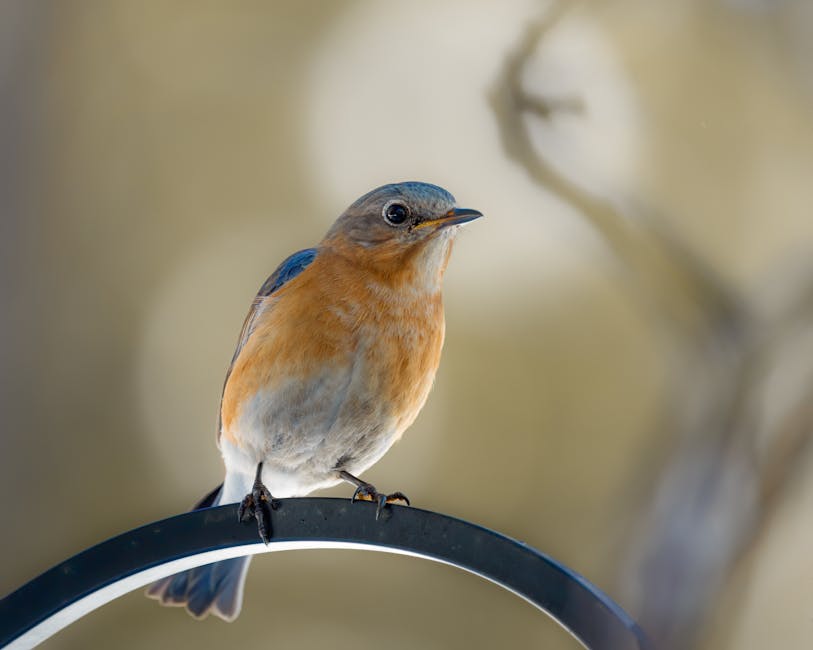
The Eastern Bluebird, with its royal blue plumage and a rust-colored chest, is a distinguished maker of blue eggs. Inhabitants of the eastern and central parts of North America, these birds can be observed nesting in tree cavities or bird boxes during their breeding season which spans from February to September.
- DID YOU KNOW: Triggers of the egg laying cycle include higher temperature and the availability of food.
- PRO TIP: Look for small, circular openings as a sign of Eastern Bluebird nests. They prefer open habitats with minimal ground cover so look up!
Mountain Bluebirds: The High Flyers with Blue Eggs
Mountain Bluebirds, an essential part of the ecosystem of the American West, are another breed that lay blue eggs. Living at high altitudes, these birds are entrancing with their ethereal blue plumage and equally fascinating blue eggs.
Checklist for identifying an Mountain Bluebird’s nest:
- Found in high altitude areas
- Located in tree cavities or artificial bird houses
- Compact egg size with slight variations between egg colors, from white to light blue.
Comparing the blue eggs of the Mountain Bluebird and the Eastern Bluebird, the latter’s are noticeably more vibrant whereas Mountain Bluebirds tend to lay lighter, sometimes nearly white eggs.
Blackbirds: Unexpected Blue Egg Layers
Some species of Blackbirds, in contrast to their dark feathering, lay surprisingly bright, blue eggs. Prominent egg layers include the Rusty Blackbirds and the Brewers Blackbirds.
- SPECIES TO SPOT: Rusty Blackbirds, Brewers Blackbirds
- OBSERVATION TIP : Keep an eye out for them during their peak breeding season (May-July) in marshy forests and wet areas.
Best practice when observing these nests: refrain from approaching too closely. A safe and non-disruptive way to view their eggs and nests is using binoculars to maintain a respectful distance.
(End of Part 1 of 3)
American Robin: An Iconic Blue Egg Layer
There’s a good chance you’ve seen an American Robin or at least, their signature blue eggs. You see, American Robins aren’t just widespread across North America, they’re famous for their breathtaking, bright-blue eggs.
However, the world isn’t all hues of blue for these eggs. While their color is indeed charming, it also acts as a neon sign for predators.
Pros and Cons of Robins’ blue eggs:
- Pro: Their vibrant blue color might trick potential predators into thinking the nest is part of the sky or a water body.
- Con: Their striking color can also easily attract predators, making them an easy target.
PRO TIP: American Robins are lovers of open green spaces, backyards and parks. They’ll typically build their nests 5 to 20 feet above ground, usually in a dense bush or in the fork of a tree.
Other Blue Egg Layers: Beyond the Common Species
Different bird species can lay blue eggs: Starlings, Grackles, and even some Sparrows, to name a few. While they are not as widely known as Eastern Bluebirds or American Robins, their contributions to the palette of blue eggs are just as impressive.
Comparatively, the blue hues of these lesser-known species’ eggs may range from a subtle sky-blue to a deep, ocean-blue.
❗Reference Checklist of Lesser-Known Blue Egg Layers:
- Starlings: They nest in building crevices and tree cavities; breeding season is in early Spring.
- Grackles: Like to nest in both natural habitats and urban environments; peak breeding season falls between early May and July.
- Chesnut-backed Chickadees: Prefer dense conifer forests; their breeding season stretches across Spring and early Summer.
Conclusion
Next time you’re out on a nature trail or even in your backyard, don’t forget to keep an eye peeled for these intriguing avian wonders and their beautiful blue eggs. From the brilliant azure of Eastern Bluebirds to the unexpected blue of Blackbirds’ eggs, each shell tells a unique story. Make your own escapade and embark on a discovery journey to find out which birds lay beautiful blue eggs. And remember, always respect their habitat as you admire their tenacious journey of life. Happy bird watching!
Key Takeaway:
- Various bird species lay distinctively blue eggs, including Eastern Bluebirds, Mountain Bluebirds, certain Blackbird species, American Robins and other less-known birds like Starlings, Grackles, and some Sparrows.
- Each bird species has unique nesting behaviors, habitats and breeding seasons.
- Spotting these birds and their beautiful blue eggs can be an enjoyable activity as long as it’s done respectfully, without disrupting their habitat.
Bird watching can be a rewarding and educating experience. It allows us to appreciate nature’s creativity through varied forms and colors, such as the beautiful blue eggs that several bird species lay. So, grab a pair of binoculars and step outside to witness these natural wonders. Use this knowledge responsibly and with respect for our feathered friends.
FAQs
Q: Why do some birds lay blue eggs?
A: Blue eggs are thought to function as camouflage, blending with the sky and water. Some studies also suggest that the blue color might offer protection from UV radiation.
Q: Can the egg color determine the bird species?
A: Yes, often the color and pattern of bird’s egg can provide clues about the species. However, egg appearance can also vary within a single species.
Q: Are all blue eggs the same shade of blue?
A: No, the color of blue eggs can range from light sky-blue to deep ocean-blue and often varies within a bird species.
Q: Is it harmful to touch a bird’s nest or eggs?
A: Yes. Disturbing a bird’s nest can have negative consequences on the birds and their eggs. It’s best to observe from a distance using binoculars.
Q: When is the best time of year to observe bird’s eggs?
A: It highly depends on the specific bird species, as their breeding seasons vary. However, spring and early summer are often active nesting times for many birds.
If you enjoyed this article, feel free to share it and explore more insightful posts on our website. Happy bird watching!