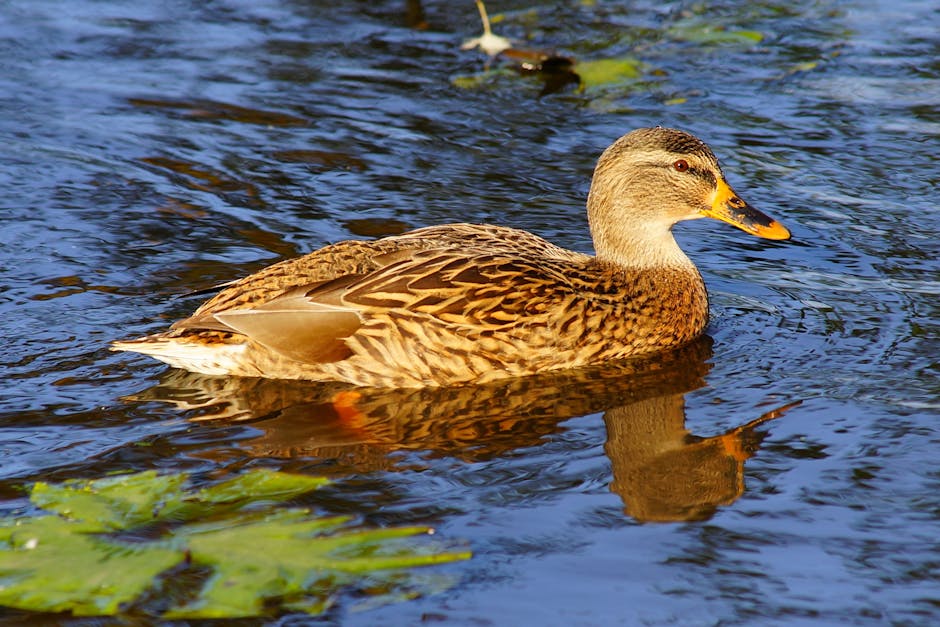
Ducks, being aquatic birds, spend a substantial portion of their lives on water. Their natural water bodies, including freshwater lakes, ponds, and rivers, serve as primary dwelling places. These habitats offer abundant food sources and suitable havens for mating, nesting, and safety.
However, ducks are adaptable creatures and don’t restrict themselves to natural water bodies. A swimming pool quite intriguingly can easily pass off as an inviting lake or pond, owing to its clear turquoise waters. Let’s compare how these habitats stack up against each other:
| Natural Habitats | Swimming Pools | |
|---|---|---|
| Food Source | Rich in fish, insects, and aquatic plants | Lack of food sources unless generously fed by homeowners |
| Safety | Potential threats from predators | Predators are less likely to invade a domesticated area |
| Water Quality | Freshwater that is beneficial for ducks’ health | Chlorinated water detrimental to ducks’ health |
The Impact of Chlorinated Pools on Ducks
While a swimming pool might look appealing to ducks, it’s the chlorinated water that’s the problem. Chlorine can have severe adverse effects on ducks’ health. Consistent exposure to chlorinated water can lead to feather damage, making their usually brilliant plumage dull and lacklustre. It also affects the buoyancy of ducks, potentially leading to drowning. Moreover, chlorine causes eye irritation in ducks, leaving them with red, itchy, and burning eyes.
Chlorine ingestion can lead to more serious issues. Ducks may unintentionally consume chlorinated water while feeding or accidental gulping during a swim, which can result in behavioral changes, lethargy, and digestive disturbances.
Here are a few symptoms that can indicate a duck may be suffering from chlorine poisoning:
- Decreased appetite
- Lethargy and sluggishness
- Change in droppings
- Ruffled feathers
The Potential Risks to Pool Owners
Having ducks in your pool doesn’t only risk the health of the fowl but it can also pose potential risks for you. Ducks can cause sanitation issues by leaving their droppings in and around the pool. These droppings not only contaminate pool water making it unhygienic for use but may also cause pool filters to clog, resulting in damage and costly repairs.
Moreover, ducks are known to be noisy, which might cause disturbances especially during early morning hours and nesting seasons. It’s also important to note that diseases can be transmitted from ducks to humans. Salmonella and Avian Influenza are some examples which can lead to various health problems in humans, such as fever, stomach concerns, and severe respiratory issues.
Benefits and Opportunities to Ducks using Pools
While the chlorinated water in pools poses a health risk to ducks, these locations may offer a few perceived benefits. Swimming pools provide ducks with easy access to a water source free from natural threats. The limited exposure to predators in suburban areas makes pools a seemingly safe habitat choice.
However, these benefits may evolve into potential risks for both ducks and homeowners. Here’s how:
| Benefits | Risks | |
|---|---|---|
| Duck | Safe from natural predators | Exposure to harmful chlorine |
| Homeowner | Natural pest control (ducks feed on bugs) | Sanitation issues and pool damage |
Ways to Discourage Ducks from Swimming in Pools
If ducks have taken a liking to your pool, there are several methods to gently discourage their visits while keeping their wellbeing a priority. Below are some strategies to consider:
- Using pool covers: Ducks are less likely to swim in a pool if they can’t see the inviting water. Pool covers can be effective deterrents.
- Installing duck deterrent devices: Devices such as floating pool toys or motion-activated sprinklers can fend off ducks.
- Maintaining an unattractive environment for ducks: By avoiding overfeeding the ducks or letting vegetation around your pool grow, ducks will be less likely to see your pool as a favorable habitat.
Pro Tip: Try a combination of methods for increased effectiveness.
And as an alternative, consider promoting local natural habitats or creating a duck-friendly pond in your community. Spreading awareness about the harm of chlorinated pools to ducks can also be beneficial.
To sum up, while the sight of ducks swimming in your pool may initially seem charming, it’s essential to understand the risks and impacts this poses to both the ducks and homeowners. Awareness and proactive measures can go a long way in addressing these concerns, creating a harmonious living environment for both ducks and humans.
Key Takeaway:
- Ducks are attracted to clear waters of swimming pools, considering them as viable habitats comparable to freshwater lakes, ponds, and rivers.
- Chlorinated water in swimming pools can cause serious health issues in ducks, including feather damage, eye irritation, and health complications due to chlorine ingestion.
- Ducks’ presence in pools can lead to sanitation problems, pool damage, and potential transmission of diseases from ducks to humans.
- While swimming pools can give a false sense of safety and resources availability to ducks, these perks can turn into risks for both ducks and homeowners, leading to health issues and property damage.
- Discouraging ducks from swimming in pools and promoting local natural habitats can help maintain a balanced and healthy environment for both ducks and homeowners.
Knowing the impact ducks have on swimming pools and the harmful effects of chlorinated water on their health, it’s essential to adopt ways to deter them gently from such habitats. Utilizing pool covers and duck deterrent devices, maintaining an unattractive environment for ducks around the pool, and promoting local habitats can significantly help in this cause. As we’ve become custodians of our local wildlife to some extent, let’s strive towards creating a win-win situation for all.
FAQs
Q: How long can a duck stay in chlorinated water?
A: While the exact duration is difficult to determine, chronic exposure to chlorinated water can prove harmful to ducks. Prolonged exposure may cause feather damage and eye irritation, potentially leading to more severe health problems.
Q: Can swimming pool chlorine affect the fertility of ducks?
A: While there isn’t specific research on the impact of chlorine on ducks’ fertility, it’s known that chlorine can harm aquatic animals. Therefore, it may have an adverse impact on their reproductive health. It’s best to keep ducks away from chlorinated water.
Q: How can I ensure that the ducks are not negatively affected while keeping them away from my pool?
A: Multiple humane ways can deter the ducks, including using pool covers, installing duck deterrent devices, and maintaining unattractive surroundings for ducks. Also, promoting local natural habitats or creating a duck-friendly pond can help provide them a healthier environment.
Q: What signs indicate that a duck has been exposed to chlorinated water?
A: Ducks exposed to chlorinated water often exhibit feather damage, eye irritation, and changes in behavior. More severe symptoms include decreased appetite, lethargy, changes in droppings, and ruffled feathers.
Q: Can I contract diseases from ducks swimming in my pool?
A: Yes, humans can contract certain diseases from ducks, primarily from their droppings. Some common diseases include Salmonella and Avian Influenza which can have serious health implications.
Please feel free to share this article with others who might be grappling with this duck dilemma, and explore more informative posts on our website.