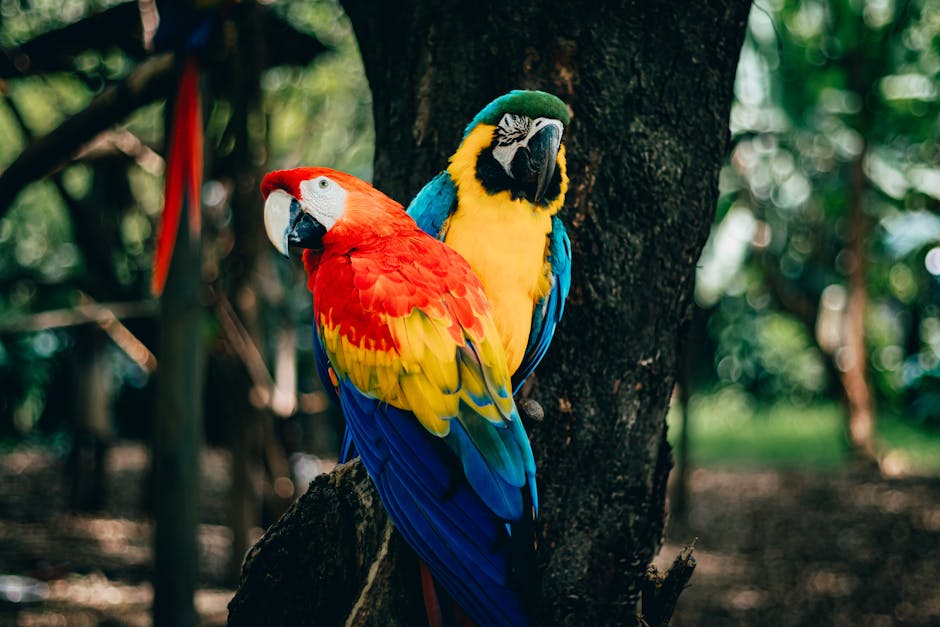
Pennsylvania is a state brimming with nature’s glory, but few of its wonders can compare to the vibrant blue birds that grace its forests, gardens, and meadows. Their distinctive hues and charming songs set them apart, making them a unique asset to the Keystone State that are worth exploring and appreciating.
Understanding the Identity of Pennsylvania’s Blue Birds
For those unfamiliar with Pennsylvania’s feathered azure citizens, these birds are marked by their impressive blue plumage that varies in shades from soft powdery blue to a deep indigo. Most noticeably, these bird species from this state include Eastern Bluebird, Indigo Bunting, and Blue Grosbeak.
- Eastern Bluebird: Known for their vivid red-chests and royal blue back and tails.
- Indigo Bunting: Smaller in size, they are famous for their entirely bright, almost electric blue coat.
- Blue Grosbeak: They boast a stunning deep azure coat offset by chestnut wing-bars.
Life Cycle and Habits of Blue Birds
Pennsylvania’s blue birds exhibit a captivating life cycle from hatching to maturity, which is a wonder to observe. In terms of feeding patterns, these birds commonly dine on a diet of insects, berries, and seeds. They are particularly fond of caterpillars, grasshoppers, and spiders.
When it comes to their mating habits, these birds are monogamous, sticking with one partner throughout their breeding season. Nesting in cavities, bluebirds produce generally three broods per season, with each brood consisting of two to seven eggs.
Pro Tip: If you’re an enthusiast aiming to see them in action, spring and early summer offer the best bird-watching periods. Look for nesting pairs in meadows, farmlands, and open woodlands throughout Pennsylvania.
Blue Birds and Their Ecosystem
Beyond their visual appeal, blue birds play a pivotal ecological role. They help control insect populations, subsequently aiding our agricultural efforts. Plus, their penchant for fruit consumption aids in seed dispersal, promoting biodiversity.
However, blue birds’ habitats in Pennsylvania face threats from urban expansion, climate change, and invasive species. These challenges highlight the importance of preserving their abode.
Best Practice: People can help by placing birdfeeders in their yards, refraining from using harmful pesticides, and planting native species that attract the bird’s natural diet.
Conservation Efforts for Pennsylvania’s Blue Birds
In response to these threats, various conservation efforts have been employed to protect these azure wonders, ranging from habitat restoration projects to nesting box programs. One notable organization is the Bluebird Society of Pennsylvania, which aims to increase the population of bluebirds in the state.
Pro Tip: Join in the conservation efforts. One way could be by volunteering with organizations like the Bluebird Society, or simply spreading awareness about these glorious creatures and the threats they face. After all, our blue birds are not just a pretty sight – they’re essential members of our ecological community.
Blue Birds: Symbolic and Cultural Significance in Pennsylvania
The vibrancy of the blue bird has also lifted its status to more than just a creature of beauty within Pennsylvania’s borders. They are an essential part of the state’s cultural and symbolic identity, often showing up in local art, literature, and folklore.
- Arts: Blue birds have been a popular motif in Pennsylvania Dutch Hex signs, contributing to the strong artistic tradition in the state.
- Literature: Pennsylvania’s bluebirds have found their way into dozens of poems and stories, warming hearts and inspiring minds.
- Folklore: Blue birds are a symbol of joy, happiness, and prosperity in many Pennsylvania folk tales, further cementing their importance in the state.
Fact Checking: Blue Bird Myths
Much like other wildlife, blue birds have their share of myths and misconceptions. Let’s debunk some common ones:
- Myth: Bluebirds migrate during the winter.
Fact: Bluebirds actually stay in Pennsylvania year-round. They can survive the harsh winter months thanks to their adaptability to different food sources and nesting sites.
- Myth: Bluebirds are a sign of good luck.
Fact: While seeing a blue bird might bring a smile to your face, there’s no scientific basis for claiming they can bring good luck.
Whether we’re debunking myths or appreciating their presence in our gardens, we should remember the importance of these enchanting birds in our lives and work to ensure their continued existence. Pennsylvania, after all, wouldn’t be quite the same without the delightful chorus and vibrant blues of these remarkable creatures.
So, next time you spot an Eastern Bluebird, Indigo Bunting or a Blue Grosbeak in your backyard, give them a second glance. They are far more than beautiful sights to behold. They are a symbol of Pennsylvania’s natural and cultural wealth, a testament to biodiversity, and truly the hidden gems of the Keystone state.
Remember:
- Respect their natural habitats.
- Engage in conservation efforts.
- Cherish their beauty and ecological importance.
Let’s keep Pennsylvania’s skies beautifully and brilliantly blue!
Key Takeaway:
- Pennsylvania hosts various blue bird species, including Eastern Bluebird, Indigo Bunting, and Blue Grosbeak, each possessing distinct characteristics.
- These birds play a key role in the ecosystem by controlling insect population and aiding in seed dispersal.
- Urban expansion, climate change, and invasive species pose threats to these birds, necessitating concerted conservation efforts from organizations like the Bluebird Society of Pennsylvania.
- Apart from their ecological role, blue birds hold significant symbolic and cultural value, appearing in local arts, literature and folklore.
Knowing and appreciating the enchanting blue birds of Pennsylvania is one thing, but actively participating in their conservation and preservation is even more crucial. Each individual can make a meaningful contribution – be it creating friendly environments in your backyard or volunteering with conservation organizations. This not only benefits the birds, but contributes to a thriving and balanced ecosystem.
FAQs
Q: Can I keep a blue bird as a pet?
A: It’s important to know that it’s unlawful and harmful to capture or keep wild blue birds as pets. They thrive best in their natural habitats and play a key role in maintaining the ecosystem.
Q: What can I feed blue birds that visit my backyard?
A: Blue birds primarily feed on insects, berries, and seeds. However, refrain from using processed foods or bread; instead, opt for bird feeders filled with mealworms and a variety of berries.
Q: Are there specific laws protecting blue birds in Pennsylvania?
A: Yes, several federal and state laws protect all native bird species, including blue birds. Any harm or disruption caused to these birds or their nests can lead to penalties.
Q: How can I get involved in the conservation efforts for blue birds?
A: You can get involved by volunteering with conservation organizations like the Bluebird Society of Pennsylvania. Creating bird-friendly spaces in your yard and spreading awareness about their conservation are other impactful approaches.
Q: Do blue birds sing all year round?
A: Yes, although their singing activity peaks during spring and early summer which is their breeding season. They are known for their soft, melodious calls.
Share this article to increase awareness, create a ripple effect of knowledge and encourage more people to join conservation efforts. Enjoy exploring more posts on our website!