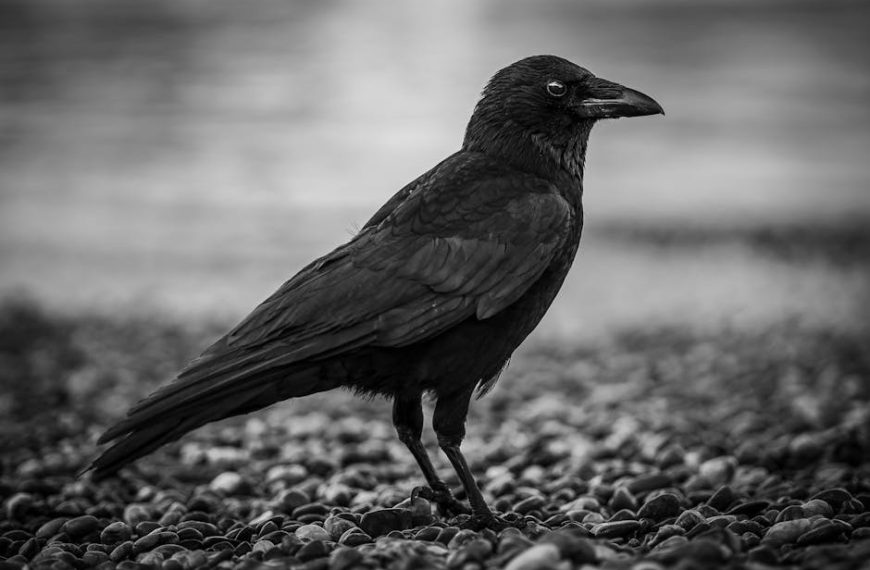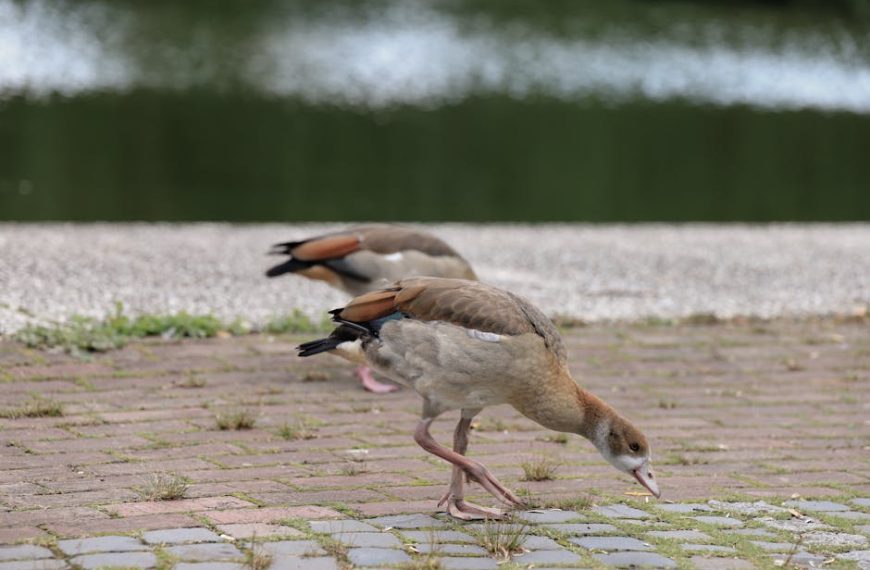
Birdwatching can be a rewarding pastime and what could be better than attracting your favourite feathered friends to your own backyard! This can be easily achieved by installing a birdhouse. But, not just any birdhouse will do. To ensure those chirpy chaps feel right at home, it’s important to carefully select the right plan for your birdhouse. This involves understanding the optimal model based on the type of birds you want to attract, recognizing the necessary features a birdhouse should possess, choosing the ideal material, planning the aesthetics, and finally setting up the birdhouse itself.
Understanding the Type of Birds You Want to Attract
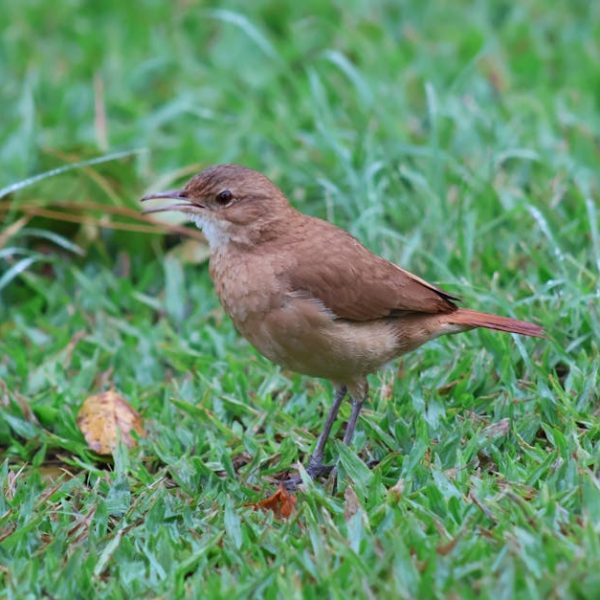
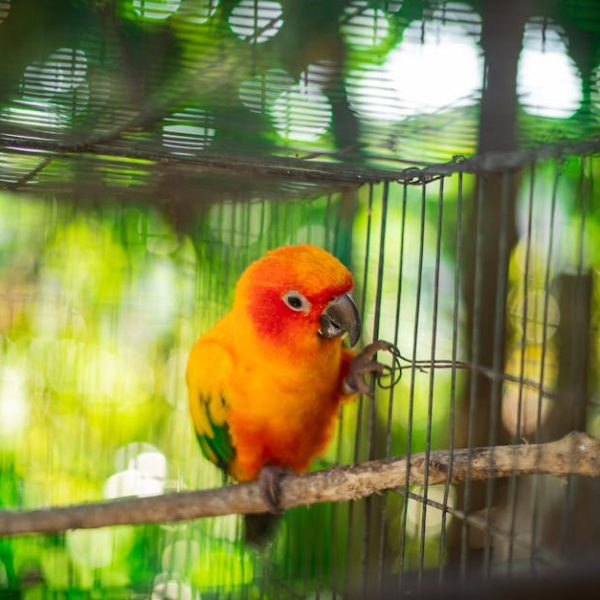
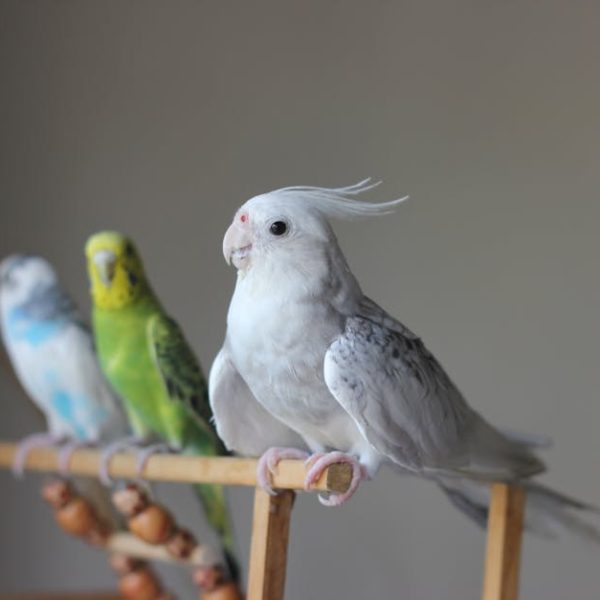
Your first step involves identifying the species of birds you wish to house. Different birds prefer different accommodations, so it’s crucial to select a plan that suits their needs. Things like size, nesting habits, and food preferences play a big part in making them feel at home. If you’re not already an expert, don’t worry! There are many resources available, like local bird field guides and nature resources, to help enlighten you about the local bird species and their requirements.
– Pro tip: Taking the time to understand your local bird species needs can lead to a thriving bird community in your yard!
Essential Features Every Birdhouse Must Have
Did you know birdhouses need to meet certain standards to ensure they provide a safe and comfortable place for your feathered visitors to reside? At a minimum, your birdhouse plan should factor in the need for ventilation and drainage, easy access for cleanliness, a dark and quiet interior, and the correct dimensions to suit your chosen bird species. By considering these essential features, you can ensure your birdhouse is both attractive and safe for birds.
Selecting the Right Material for Your Birdhouse
The material used for your birdhouse can greatly impact its durability, weather resistance, and the safety of its occupants. Wooden birdhouses, for example, are popular thanks to their natural appearance, insulating properties, and ease of use. However, they aren’t as durable as their metal counterparts, which can withstand harsh weather conditions but may not provide as comfortable an environment. Ideally, consider using untreated wood or recycled materials for your birdhouse to ensure it’s safe for birds and environmentally friendly.
Deciding on the Design and Aesthetics of the Birdhouse
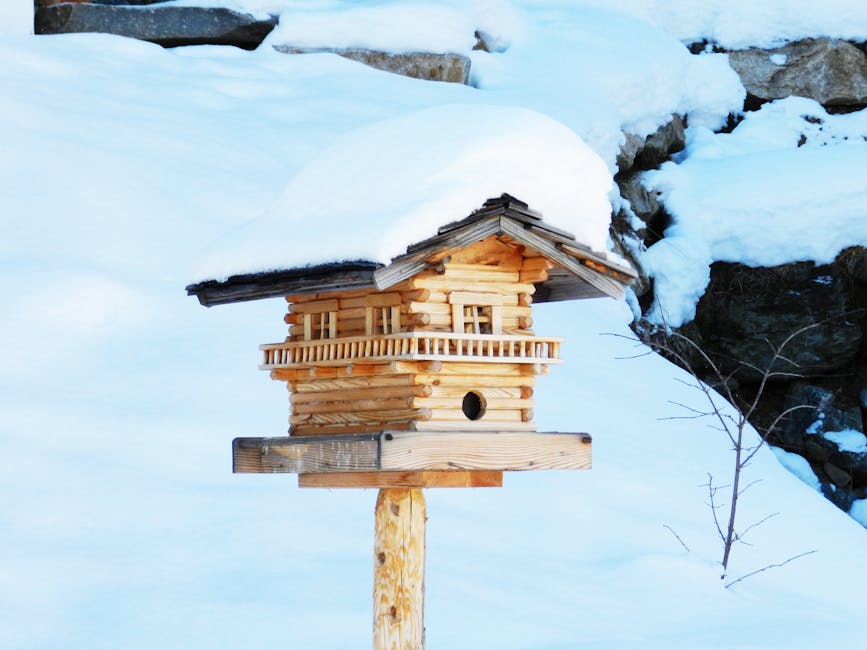
While the practicality of your birdhouse is key, it doesn’t mean it can’t also be an attractive addition to your yard or garden! The right plan can help ensure your birdhouse blends seamlessly with your outdoor aesthetics. Be it a quaint Victorian façade or a rustic log cabin design, there are plenty of options to consider. Always remember, the birdhouse should not just be attractive, but also strategically positioned for your feathered guests’ safety and visibility.
– Pro tip: Place your birdhouse in a quiet place with a clear line of sight for some amazing bird watching!
Step-by-Step Guide to Building Your Birdhouse
Once you’ve chosen the right plan, design, and materials for your birdhouse, it’s time to bring it to life. From gathering the materials and accurately cutting the pieces, to assembling and installing the birdhouse, the construction process can be an engaging and rewarding experience. With the right tools and efficient practices in hand, you’ll have your birdhouse up and accommodating guests in no time. Stay tuned for our section that provides a detailed step-by-step guide to constructing a safe and sustainable birdhouse.
Constructing your Birdhouse: A Step-by-Step Guide
Building birdhouses can be as fun as bird-watching itself! It’s a form of creativity and craftsmanship, a personal touch to your love for birds. Here, you’ll find a detailed guide that will provide you with everything you need to make your birdhouse come alive.
Step 1: Gather Materials and Tools
First things first, you need the right tools and materials for the job. These include:
- The right type of wood or metal, depending on your preference.
- A saw, hammer, nails, drill, and perhaps a wood glue.
- Sandpaper, to smoothen out rough edges.
- Paint, stain or another form of a weather-resistant sealant, but ensure it’s non-toxic and safe for birds.
- Pro tip: Always ensure your tools are in good condition. This makes the work easier and creates a better outcome.
Step 2: Cut the Pieces Accurately
Using your selected birdhouse plan, cut your material into perfect pieces following the specified dimensions. Remember to put safety first!
Step 3: Assemble the Birdhouse
Start assembling the birdhouse by attaching the sides to the bottom piece, followed by the front and back. Secure corners with screws or wood glue to add strength, especially if you live in an area prone to heavy winds.
- Pro tip: Make sure you use strong, rust-free nails or screws. Rust stains can deter birds.
Step 4: Mount and Inspect
Once you’re happy with your birdhouse, the last thing to do is to mount it. Installing it on a metal pole can help keep away predators. Place it in a quiet, sheltered location with a clear view of the environment.
- Pro tip: Periodic inspections and clean-ups can add longevity to your birdhouse and keep it attractive to birds.
Step 5: Sit Back and Enjoy
With your diligent work done, it’s time to sit back, relax and watch as your feathered friends move in. Happy birdwatching!
Remember, building a birdhouse is not just for the birds’ benefit but for yours too. It’s a form of expression and a hobby that gets you outdoors. Don’t worry if your first one isn’t perfect, birdhouses can be as diverse as the birds they host. Experiment, learn, and have fun!
Key Takeaway:
- Knowing the bird species you want to attract greatly influences the birdhouse plan that would suit them.
- Essential features promote bird safety and attraction, including correct dimensions, ventilation, drainage, accessible for cleaning and a peaceful interior.
- The choice of material for the birdhouse can impact its durability, attractiveness, and comfort for birds.
- A birdhouse plan that not only caters to the bird’s needs but also complements the aesthetic of your space can be achieved through variety of design options.
- Successful birdhouse construction involves gathering the necessary tools and materials, cutting pieces accurately, efficiently assembling, and carefully installing the birdhouse.
Keeping our feathered friends safe and comfortable should be our top priority. Ensuring that the birdhouse has the essential features, is made of suitable material, and is placed strategically, will enable us to build an attractive home for the birds. Trust the process, adding personal touches to your birdhouse design can be a rewarding experience, and remember the joy of watching birds occupy your carefully crafted birdhouse.
FAQs
Q: How can I make my birdhouse predator-proof?
A: You can do so by placing the house high enough that it’s difficult for predators to reach. Additionally, installing it on a metal pole can make it harder for predators to climb.
Q: Is there an ideal time of year to put up a birdhouse?
A: Early spring is usually the best time to install a birdhouse, as this is the start of the nesting season for many birds.
Q: How do I maintain the birdhouse?
A: Regular cleaning is essential. Always inspect the birdhouse for damage and clean it out once the birds have finished with it for the season to make it ready for new inhabitants.
Q: Can I paint my birdhouse?
A: Yes, you can, but make sure to use non-toxic, water-based paint and keep the colors neutral to blend in with the environment and not attract predators.
Q: What should I do if my birdhouse remains empty?
A: Not all birdhouses are occupied immediately. Sometimes it takes time for a bird to find and settle in its new home. If it remains vacant, consider if you may need to relocate it or adjust the features based on the species you are looking to attract.
We encourage you to share this article that could be of help to others who are interested in setting up their birdhouses. View our other posts for more informative guides like this one.