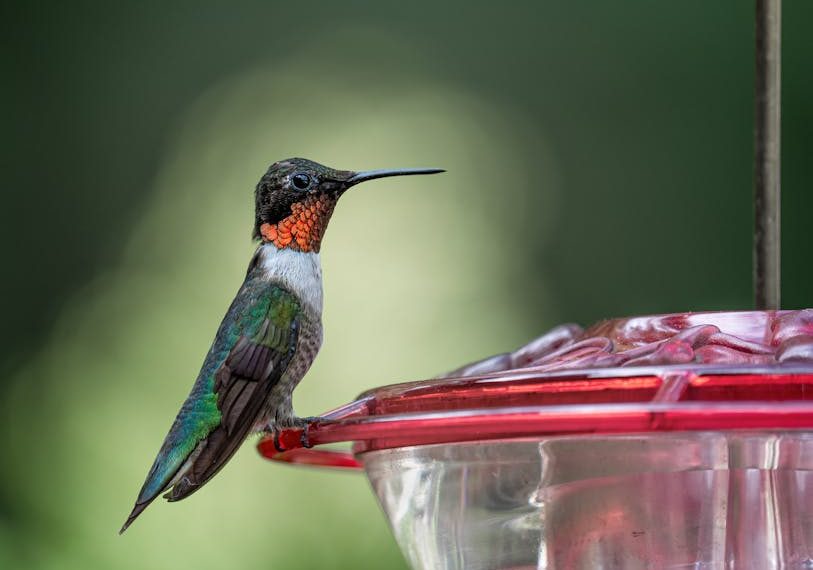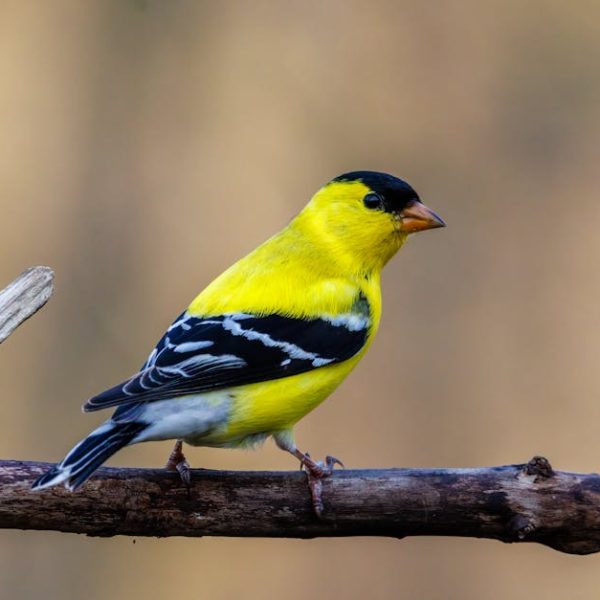
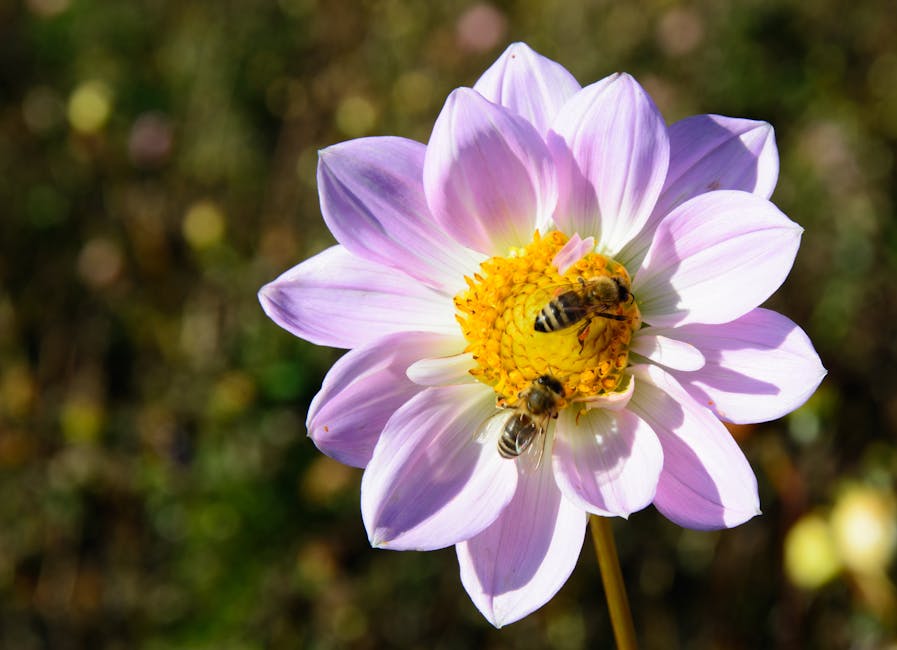
If you’re a bird enthusiast, tending and watching the tiny, fluttering marvels known as hummingbirds can be a true delight. However, your charming garden spectacle can quickly be marred if hummingbird feeders start attracting bees. If the hummingbird feeder is buzzing with bees, the hummingbirds may give it a miss and your carefully installed feeder becomes a bee magnet. Here are some tips to deter bees and ensure the feeders remain enticing only to hummingbirds.
Understanding the Attraction of Bees to Hummingbird Feeders
Bees, like honeybees, find sweet hummingbird nectar irresistible. This syrupy fluid imitates the sugars found in the flower nectar that both hummingbirds and bees love. For the bees, the high-sugar content is a rich energy source, while it also serves as an essential nutrient store for preparing their hives for the colder months. By understanding these attraction dynamics, you can plan better ways to offer nourishment to your hummingbird friends without inviting the entire bee community.
Pro tip: It’s essential to know that bees find it nearly impossible to resist high-sugar substances. Trying to outsmart their nature by altering the sugar concentration in your feeders could be detrimental to your little hummingbirds. Keeping this in balance is key.
The Importance of Feeder Placement
The placement of your hummingbird feeders plays a significant role in attracting bees – or not. Bees are terrific at finding and remembering food sources. Once they identify your feeder as a nectar hub, they’ll return frequently and bring friends. To prevent this, consider hanging your feeders higher than usual as bees prefer feeding closer to the ground. Hanging feeders in breezy areas also works well since bees aren’t the best at navigating in wind.
Feeder placement: Sun versus Shade
| Pros | Cons | |
|---|---|---|
| Sun | Hummingbirds prefer sunlit spaces. The sunlight also helps keep the nectar fresh for longer. | Heat causes fermentation and spoilage of nectar attracting more bees, ants, and other insects. |
| Shade | Shade slows down the fermentation process, keeping the nectar fresh and less attractive to insects. | Hummingbirds may not readily locate feeders situated in the shade. |
Choosing the Right Feeder and Nectar
The design and type of feeder you choose can also influence how attractive your feeder is to bees. Certain hummingbird feeders come with built-in bee guards – small mesh barriers that only allow hummingbirds to feed. Also, going for feeders with downward-facing feeding ports can deter bees since they naturally prefer feeding right-side-up.
When it comes to nectar, homemade is best. Store-bought nectars often contain preservatives that extend shelf life but might be attractive to bees. When making your own, a ratio of one part sugar to four parts water mimics natural nectar and is less likely to attract bees.
Best practices: For your hummingbird nectar, always choose plain, white granulated sugar. Brown sugar, honey, or other alternatives can harm the birds. Never put any additives, such as red dye in the nectar, as it is potentially harmful.
Regular Cleaning and Maintenance of Feeders
Regular maintenance of your hummingbird feeders can’t be overstated when it comes to deterring bees. Clean feeders, free from drips and spills, will be less attractive to bees. Bees are drawn to sugar residue on the outside of feeders, so ensuring that your feeders are always clean and the area immediately surrounding them is free of spills can help keep bees away.
Pro tip: Apply a small amount of vegetable oil or petroleum jelly around the feeding ports to prevent ants, another common pest at hummingbird feeders, without posing any harm to hummingbirds.
Checklist for cleaning and maintaining your hummingbird feeders:
- Take down the feeder and empty it of any remaining nectar.
- Disassemble the feeder if possible, and soak in a solution of white vinegar and warm water.
- Run a brush through feeder ports to remove any residue.
- Rinse thoroughly and allow to completely dry before filling and hanging again.
- Vigorously clean around the feeding ports where sticky nectar may have spilled and attracted bees.
Using Natural Deterrents and Barriers for Bees
If bees are posing a persistent problem at your hummingbird feeders, consider using natural deterrents and physical barriers. Water, for instance, can work as an excellent deterrent, especially against honeybees. You can create a water moat around your feeder that bees will not cross. Also, consider growing plants like mint and cucumber, which are known to naturally repel bees and insects, near your feeders.
Best practices: If you decide to use a water moat, ensure it is always filled with clean, fresh water, and that it does not become a breeding ground for mosquitoes.
Comparing various barrier strategies:
| Barrier Type | Pros | Cons |
|---|---|---|
| Water Moats | Effectively stops bees and ants. Simple and inexpensive to set up. | Must be checked regularly for water level and cleanliness. Potential mosquito breeding ground if not properly maintained. |
| Mint and Cucumber Plants | Naturally repels bees. Adds to the aesthetic of your hummingbird garden. | Requires some gardening skills. Plants need their own care and attention. |
Keeping bees away from your hummingbird feeders can be a bit of work, but by understanding why bees are attracted to your feeders, choosing the right feeders and nectar, putting feeders in the right spot, keeping them clean, and using natural deterrence methods, you’ll create an inviting and safe space for hummingbirds without turning it into a honeybee haven. Happy bird watching!
Key Takeaway:
- Bees, especially honeybees, are naturally attracted to hummingbird feeders due to the high sugar content in the nectar.
- The placement of a feeder can greatly influence its attractiveness to bees. Hanging feeders higher and in breezy areas are favorable options.
- Certain hummingbird feeders come with built-in bee guards, and those with downward-facing feeding ports can deter bees.
- Regular cleaning and maintenance of feeders play a key role in reducing bee attractions.
- Natural deterrents and barriers like water moats and certain plants can effectively repel bees.
Attracting only hummingbirds to your feeders might seem like a daunting task, but remember that with the right information and strategy, this feat is completely achievable. By understanding the behavior of bees and using the right tools and practices, you can maintain a mesmerizing hummingbird sanctuary sans bees. Always remind yourselves that your efforts will be rewarded with the sight of these beautiful little birds enjoying their meals peacefully.
FAQs
Q: Can bees harm hummingbirds?
A: While bees generally do not harm hummingbirds, their presence can deter hummingbirds from coming to the feeders.
Q: How often should I clean my hummingbird feeder?
A: A hummingbird feeder should be cleaned thoroughly every few days or when the nectar appears cloudy or moldy.
Q: Can the ants be attracted to hummingbird feeders and how can they be deterred?
A: Yes, similar to bees, ants too can be attracted to nectar in hummingbird feeders. Some hummingbird feeders come with built-in ant moats that can effectively deter ants from reaching the nectar.
Q: Can I use any type of sugar in making my own nectar?
A: No, it’s best to use plain white granulated sugar for homemade hummingbird nectar. Alternative sweeteners can be harmful to hummingbirds.
Q: Why is it not recommended to put feeders in the shade?
A: While placing feeders in the shade can slow down nectar spoilage and be less attractive to insects, hummingbirds may not readily locate feeders in these areas.
We hope you found this article useful and encourage you to share it with other bird watchers. Explore other posts on our website for more exciting and informative content.