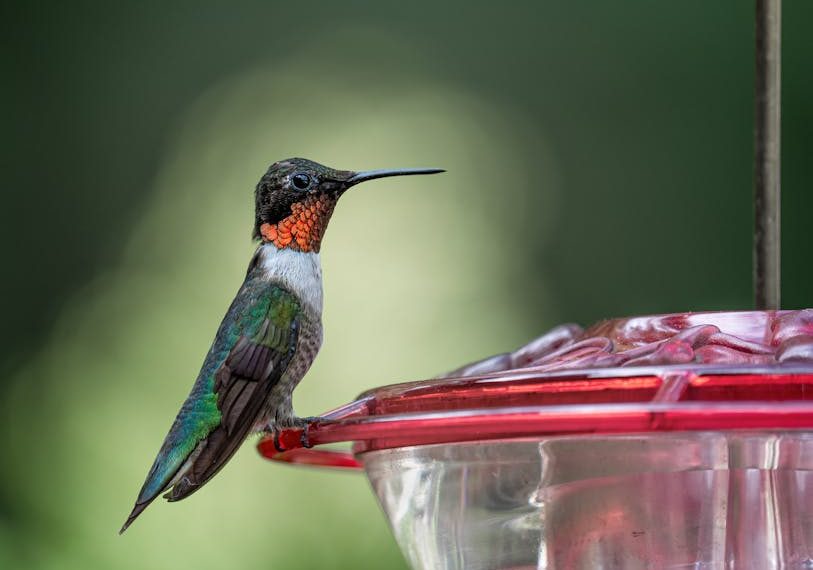
Hummingbirds are undeniably enchanting critters. Their vivacious colors, rapid wings, and delicate demeanor make for a delightful sight in any backyard. With just a bit of understanding about their likes and lifestyle, you can turn your outdoor space into a thriving oasis for these beautiful beings.
Selecting Suitable Gifts for Hummingbirds
A peculiar aspect of hummingbirds is their keen attraction toward bright, colorful objects that emulate their natural surroundings. Mirroring these environmental elements through thoughtful gifts can captivate their interest, encouraging frequent visits to your backyard. Some admired gift ideas include:
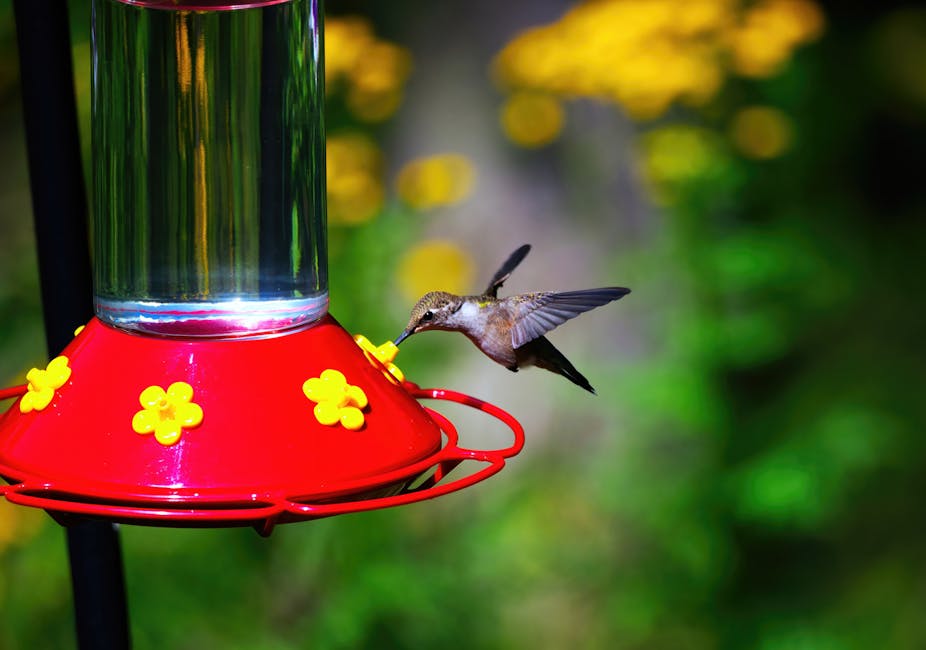
- Red glass hummingbird feeders
- High-nectar flowering plants
- Vibrantly colored garden decoratives
- Birdbaths
An engaging strategy is to use outdoor ornaments with shiny, reflective surfaces. This can simulate the glittering effect of nectar and water surfaces, intriguing the curious hummingbirds to investigate further.
Proper Placement of Hummingbird Gifts
It’s not just what you offer, but how and where you present it. Positioning your gifts properly can greatly increase their visibility and accessibility to the hummingbirds. Ideally, these should be placed around eye-level, detached from interference by potential predators, and distanced from clustering with other bird feeders.
To ensure proper gift placement:
- Put hummingbird feeders and bird baths at around 5-6 feet above the ground.
- Place colorful decoratives and flowering plants where they can easily be spotted from the bird’s flight path.
- Ensure a good mix of shadow and light to give the birds a comfortable resting spot.
- Separate the hummingbird area from places attracting other birds to prevent territory disputes.
Spread smaller ornaments throughout your garden space, instilling a positive, lively atmosphere that appeals to a hummingbird’s exploration instincts.
Keeping the Gifts Hummingbird-friendly
Maintaining the attractiveness and safety of your gifts over time is another essential aspect to consider. This entails regular cleaning routines for feeders, timely replacements for flowering plants, and maintaining an overall hygienic backyard. Plant species that produce nectar-rich flowers throughout different seasons noticeably boost the encouragement for visits from hummingbirds. Suggestions include:
- Spring season: Azaleas, Rhododendron, Weigela
- Summer season: Bee balm, Cardinal flower, Canna
- Fall season: Salvia, Zinnias, Geranium
To keep your backyard safe and inviting to hummingbirds, it’s best to avoid using harsh chemicals or pesticides. These can not only deter the birds but could also pose health risks.
Stay tuned for your conclusion in the next segment, where we’ll discuss supplementary habitats, and how your backyard can contribute to hummingbird conservation.
Supplementing with Supportive Habitats
Complementing your hummingbird-attracting gifts with a supportive habitat boosts the likelihood of these beautiful birds finding refuge in your backyard. Developing an integrated environment, as opposed to merely providing standalone gifts, can yield to greater success. Consider adding artificial nest platforms or installing water fountains as these serve to mimic a natural hummingbird habitat.
Here’s a comparison of stand-alone gifts and supplemental habitats:
“`html
| Stand-alone Gifts | Integrated Habitats | |
|---|---|---|
| Hummingbird Attraction | High | Very High |
| Maintenance Effort | Moderate | High |
| Cost | Low to Medium | Medium to High |
“`
While integrated habitats can necessitate more effort and investment, the resultant frequent hummingbird sightings and the joy of observing them in a more natural setting make the endeavor worthwhile. However, constructing an entire habitat does require careful planning and troubleshooting, impacting the eco-balance of the entire area.
Using Gifts to Promote Hummingbird Conservation
Your efforts to attract hummingbirds to your backyard serve a purpose beyond personal enjoyment. These tiny birds play a vital role in pollination and maintaining the health of our ecosystem. By creating an appealing and safe environment for these creatures, we help in preserving their species.
Remember, patience is key. It can take time for hummingbirds to discover and consistently return to new resources in their environment. Don’t be discouraged if you don’t see immediate results.
Broaden your scope by sharing your newfound knowledge and practices with your neighbors or local community. Adopting backyard strategies for hummingbird attraction and conservation collectively can create neighborhoods that serve as safe havens for these delightful birds.
In conclusion, creating a hummingbird-friendly backyard is a delightful, rewarding endeavor. By offering suitable gifts, positioning them properly, maintaining their attractiveness, and supplementing with supportive habitats, your backyard can become a home to these stunning birds. Through these actions, you’re not only treating yourself to an engaging hobby but also contributing to vital conservation efforts.
Key Takeaway:
- Hummingbirds are attracted to bright colors and nectar-rich items that mimic their natural environment.
- Proper placement of gifts significantly increases their visibility and accessibility to hummingbirds.
- It’s crucial to ensure the gifts remain attractive and safe for hummingbirds over time.
- Providing an inviting habitat alongside individual gifts greatly enhances the success of attracting hummingbirds.
- Attracting hummingbirds to backyards serves a greater purpose, helping to promote the conservation of hummingbird species.
Keep striving, be patient and observe the behaviors and preferences of your feathered neighbors. Engaging in this beautiful endeavor not only brings a sense of satisfaction but also contributes actively to the much-needed conservation efforts. With your active participation, your backyard can become the perfect sanctuary for these endearing hummingbirds.
FAQs
Q: What types of flowers do hummingbirds prefer?
A: Hummingbirds are particularly attracted to high-nectar flowering plants. These include azaleas, rhododendrons, weigelas for spring; bee balm, cardinal flower, canna for summer; and salvia, zinnias, geraniums for fall.
Q: How can I prevent other birds from invading the hummingbirds’ space?
A: You should separate the hummingbird area from places attracting other birds in your backyard. This prevents territory disputes and allows hummingbirds to comfortably enjoy their space.
Q: How do I introduce a supportive habitat for hummingbirds?
A: Provide items that mimic a natural hummingbird habitat, like artificial nest platforms or installing water fountains. Integrated habitats require more effort and investment but increase the likelihood of hummingbirds engaging with your backyard.
Q: How do I maintain hummingbird gifts over time?
A: Clean feeders regularly and replace flowering plants seasonally. Avoid using harsh chemicals or pesticides as they can deter and harm hummingbirds.
Q: How does attracting hummingbirds promote their conservation?
A: By creating a consistent food source and safe environment, you support the preservation of hummingbird species. Sharing these practices within the community can expand this safe environment to a larger scope.
Endeavor to make your backyard a hummingbird haven and don’t hesitate to share this article with others who might be interested in similar pursuits.