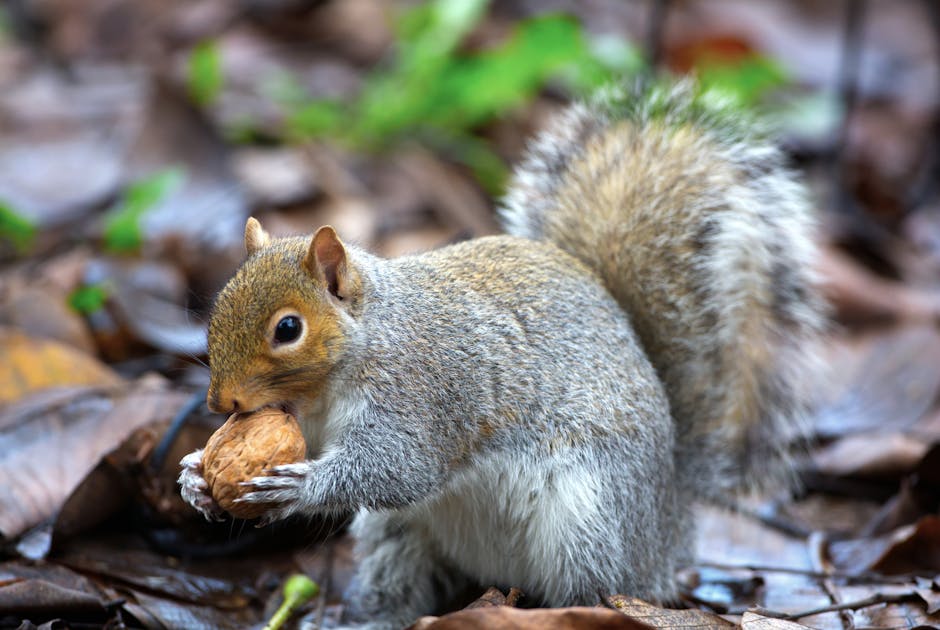
Squirrels, while delightfully charming, can be a nuisance when it comes to bird feeders. Their notorious acrobatic ability and relentless determination make them hard to chase away. But worry not! There are proven strategies to help keep your bird feeder squirrel-proof. Following these top tips, you can provide a secure, squirrel-free feast for your feathered friends.
Select the Right Bird Feeder
Your choice of bird feeder plays a critical role in whether or not it will attract the furry scamperers. Thanks to innovation, various squirrel-proof bird feeders are now available. Examples include weight-triggered feeders that close shut when a hefty squirrel climbs on, pole-mounted feeders equipped with baffles that block their upward journey, and cage-designed feeders that only allow the petite birds in.
Let’s look at some different types of squirrel-proof bird feeders:
- Tube Feeders: These often come with weight-sensitive perches that close off the feeding ports, shutting out heavier creatures like squirrels while allowing smaller birds to feed.
- Caged Feeders: With a protective outer cage, these feeders allow smaller birds to slip through while excluding larger animals.
- Dome and Baffle Feeders: These inhibit squirrels from reaching the seed container due to their structure.
Pro-tip: For weight-triggered feeders, adjust the spring mechanism appropriately according to the weight of visiting birds. Too loose, and squirrels can get a free meal; too tight, and it may bar heavier bird species.
Best Practice: No matter the type of feeder, maintain regular checks and adjustments. This will help ensure its ongoing effectiveness in keeping squirrels at bay.
Utilize a Baffle System
Baffles are an ingenious method of making bird feeders squirrel-proof. Essentially, they are barriers – either dome-shaped or cylindrical – that deflect squirrels away from the bird feeder. Dome baffles are positioned above the feeder, while cylindrical baffles are set up below, looping around the feeder pole.
Dome Baffles vs Cylindrical Baffles:
| Pros | Cons | |
|---|---|---|
| Dome Baffles | Effective if hung properly | May not work if squirrels leap from a nearby branch |
| Cylindrical Baffles | Effective against climbers | Not as efficient against jumping squirrels |
Pro Tip: Ensure that you install the baffle at the right height. Position them at least 4 feet from the ground to prevent jumping squirrels.
Checklist: Installing a Baffle System:
- Select the right size of baffle according to the feeder type.
- Install it at least 4 feet from the ground.
- Make sure it’s positioned at least 8 feet away from trees or overhangs to prevent squirrels from leaping onto the feeder.
And that’s your first 500 words on squirrel-proof bird feeders! Stay tuned for more tips on how to outfox the furry raiders.
Choose the Right Location for Your Bird Feeder
Squirrels are excellent climbers and jumpers. Therefore, the location of your bird feeder can significantly influence its vulnerability to these furry raiders. By positioning your bird feeder in a strategic location, you can hinder squirrels’ access and protect your feathered friends’ meals.
Consider these ideal locations for a squirrel-proof bird feeder:
- Hang your feeder at least 5 feet above the ground. This can discourage lesser agile squirrels.
- Keep your feeder 8 to 10 feet away from trees, rooftops, and other structures from which a squirrel could launch an aerial attack.
- Position your feeder in a clear, open space to allow birds to spot any approaching predators and make it more difficult for squirrels to dart for cover.
Pro-tip: Remember that what works for one might not work for another. Keep monitoring your bird feeder’s location and make necessary adjustments to outsmart the squirrels.
Best Practice: Maintain a minimum of 10 feet distance between feeders and any trees or buildings. This will minimize the chances of a successful squirrel leap onto the feeder.
Opt for Squirrel-Resistant Seeds
Your choice of birdseed can also play a major role in inviting or avoiding squirrels. Surprisingly, squirrels are not fans of all seeds. Some seeds like safflower and nyjer are less appealing to squirrels but still attract a plethora of beautiful birds.
Here’s a quick rundown of birdseeds squirrels dislike:
- Safflower Seeds: While many birds relish safflower seeds, squirrels find them slightly bitter and generally avoid them.
- Nyjer (thistle) Seeds: These tiny, oil-rich seeds are a favorite among finches but not so popular among squirrels.
- White Proso Millet: While some bird varieties love them, squirrels usually turn their noses up at these seeds.
Comparison: Birdseed Preferences
| Birdseed | Preferred by Birds | Avoided by Squirrels |
|---|---|---|
| Safflower Seeds | Yes | Yes |
| Nyjer Seeds | Yes | Yes |
| White Proso Millet | Depends on Bird Species | Yes |
Best Practice: To keep squirrels guessing (and uninterested), rotate between different types of birdseed that birds love and squirrels loathe!
Use Specialized Squirrel Repellents
Sometimes, even the combination of a good feeder type, baffle system, and strategic location might not be enough to deter some audacious squirrels. That’s when you need to bring in the reinforcements: specialized squirrel repellents. These could be as simple as hot pepper flakes sprinkled around your bird feeder or commercially available repellent sprays. They are safe for the birds but unpleasant for the squirrels.
Here are several squirrel repellents that won’t harm your feathered friends:
- Hot Pepper Flakes
- Non-toxic Commercial Repellent Sprays
- Peppermint Oil
Pro-tip: Always apply squirrel repellents carefully and considerately. While they are safe for birds, they should be used minimally and never directly on the seeds to ensure the birds maintain their feeding habits.
Best Practice: Use repellents as part of your overall squirrel-proofing strategy. Apply them periodically on the feeder poles and around the feeding area as an added deterrence against squirrels.
Now that you have the knowledge and tools to make your bird feeder squirrel-proof, it’s time to implement these top tips. With a bit of effort, observation, and adjustment, you can create a safe and serene feeding sanctuary for your feathered friends. Here’s to happy, squirrel-free bird feeding!
Key Takeaway:
- The type of bird feeder used, such as weight-triggered feeders or cage-designed feeders, plays a major role in deterring squirrels.
- Baffles can be used as effective barriers to prevent squirrels from accessing the feeder.
- The location of the bird feeder is crucial – it should be placed at a safe distance from trees and buildings.
- Certain types of birdseed, like safflower seeds and nyjer seeds, are less appealing to squirrels.
- Specialized squirrel repellents can provide an added layer of protection.
Share these valuable insights with fellow bird lovers and help create a peaceful, squirrel-free bird feeding experience. Remember that patience, determination, and a bit of creativity are essential in solving this furry predicament. Don’t get discouraged; observe, adjust, and continue exploring measures that work best for you. Above all, enjoy the rewarding journey of bird feeding!
FAQs
Q: Can squirrels damage bird feeders?
A: Yes, squirrels can often gnaw on and damage bird feeders, especially those made of plastic or wood, in their attempts to access the birdseed.
Q: If I have a squirrel-proof bird feeder, do I still need to use squirrel repellents?
A: While squirrel-proof bird feeders are designed to deter squirrels, utilizing squirrel repellents can offer additional protection and could be particularly useful if you have persistent squirrels visiting your bird feeder.
Q: Can squirrels eat hot pepper flakes used as a repellent?
A: Yes, squirrels can eat hot pepper flakes, but they do not like the taste. Birds, however, do not have the same taste receptors and are unaffected by it.
Q: What types of birds are attracted to squirrel-resistant seeds?
A: Birds such as finches, doves, cardinals, and chickadees are typically attracted to squirrel-resistant seeds like safflower and nyjer seeds.
Q: Is it harmful to birds if I continually change the type of seeds in the feeder?
A: No, it’s not harmful to rotate between different types of birdseeds. In fact, it could attract a variety of bird species to your feeder. Just ensure all seeds are safe and nutritious for birds.
Lastly, don’t forget to share this article with your bird-loving friends, and explore more posts on our website for additional tips and advice.