The Eclectus Parrot, distinguished by its strikingly vibrant plumage and intelligent demeanor, is an intriguing breed that can survive for several decades given the right conditions. Eclectus parrots are generally hardy creatures with a life expectancy of anywhere from 30 to 50 years, if properly attended. Their longevity can be attributed to a plethora of factors, these include their genetic makeup, their diet, and their living environment.
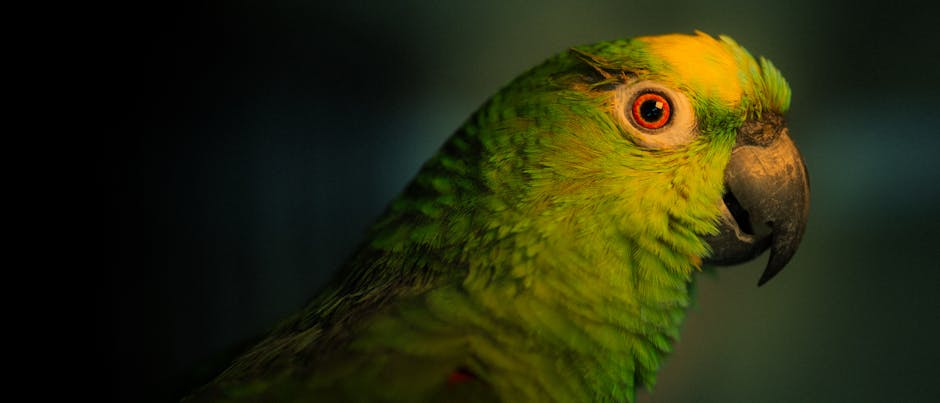
Particular to this parrot species is the pronounced sexual dimorphism. The males are a brilliant green, while the females showcase magnificent red and purple hues. Although they may seem delicate, their radiant plumage is a testament to their resilience. Their lifespan, surprisingly, is influenced by this brilliant coloration. The brighter, cleaner their feathers, the healthier the bird.
Pro tip: Providing your Eclectus parrot with a balanced diet and a clean, safe habitat can make a significant difference in their longevity.
Age Expectancy in Captivity Vs. Wild
There’s a common belief that parrots live longer in captivity due to the consistent availability of nutritious food, medical care, and absence from predators. However, it’s not necessarily the case — the life expectancy of a captive Eclectus Parrot still significantly depends on the quality of care provided.
Comparatively, in the wild, the challenges are more explicit. Life in the wild means a constant fight for survival against predators, scarcity of food, and the absence of human-induced safety measures. Yet, the freedom, natural diet, and ample flight opportunities offer a quality of life that captive birds can’t grasp.
| Captivity | Wild |
|---|
| Influencing Factors | Diet, Medical Care, Safe Living Conditions | Predator Exposure, Food Availability, Environmental Challenges |
|---|
Pros and Cons: Raising an Eclectus Parrot in captivity might ensure their longevity, but it’s essential to consider if they are getting a quality life similar to their counterparts in the wild.
Nutritional Needs for a Longer Life
Getting our feathery friends to live their maximum life span involves catering to their specific dietary needs. Just like humans, a poor diet can cause several health complications and introduce diseases. Conversely, a healthy, balanced diet not only ensures health and vigor but also longevity in Eclectus Parrots.
To start, Eclectus parrots have a higher need for Vitamin A compared to other parrot species. This can be fulfilled by a variety of fresh fruits, vegetables, and legumes in their diet.
Best Practices: Make sure the roughly 30% of their diet is composed of fresh fruits and vegetables. Also, provide a diverse assortment of seeds, but beware of high-fat seeds as they can be detrimental to their health if given excessively.
Importance of Regular Health Checks
Taking care of an Eclectus Parrot isn’t solely about meeting their nutritional needs. It also includes observing and understanding their physical and emotional well-being. Regular health checks from an avian vet ensure early detection and treatment of potential health problems, contributing to a longer and happier life for your feathered friend.
Common health issues for Eclectus Parrots include nutrient deficiencies (often due to unbalanced diet), beak and feather disorders, respiratory illnesses, and bacterial or viral infections.
Pro tip: Pay close attention to your parrot’s plumage. If you notice poor feather condition, dull coloration, or unexplained feather loss, book a vet appointment right away. These could be indicators of underlying health issues.
The Oldest Known Eclectus Parrot
The oldest known Eclectus Parrot lived for a whopping 95 years, practically double the upper end of the typical lifespan! This rich-aged Eclectus, named Pandora, lived out her days in a menagerie in London, under the watchful care of her human family.
Though it’s hard to know exactly what contributed to Pandora’s long life, it’s safe to say that her supportive environment played a major role. She had substantial space to fly around and a diverse diet, along with close human companionship that provided mental stimulation and affection.
| Pandora (Oldest known Eclectus) | Average Household Pet |
|---|
| Living Conditions | Large flying space, diverse diet, human interaction | Varied depending on owner |
|---|
Comparison ‘Versus’: Even though not every Eclectus parrot could live as long as Pandora, studying her lifestyle can provide valuable insights into promoting a long, fulfilling life for your pet parrot. The primary takeaway? Be attentive to their living conditions and their emotional happiness, they matter as much as their diet and physical health.
After all, whether you’re raising an Eclectus Parrot or another breed, the goal remains the same: provide them with the best care possible to help them live a long and joyful life. Along the way, you’ll undoubtedly find that their companionship offers a richness to your life in return.
Key Takeaway:
- Eclectus parrots have a life expectancy of 30 to 50 years with the right care, which includes a balanced diet, clean and safe habitat, and regular health checks.
- The birds’ lifespan can be influenced by their radiant plumage—the brighter and cleaner their feathers, the healthier the bird.
- Their life expectancy can vary based on whether they live in captivity or in the wild. Although captivity might ensure longevity, the quality of their life also matters.
- A healthy and diverse diet, along with regular veterinarian checkups for early detection of health issues, is crucial for their longevity.
- The oldest known Eclectus parrot lived for 95 years, with a supportive living environment playing a major role in her long life.
While the lifespan of Eclectus parrots can considerably vary, understanding their specific needs and providing the right care can help ensure they live a long and healthy life. Regardless of the challenges, the companionship offered by these intriguing creatures is truly enriching.
FAQs
Q: What causes the vibrant coloration in Eclectus parrots?
A: The vibrant coloration in Eclectus parrots is a result of sexual dimorphism, wherein males are brilliant green and females are red and purple. This distinct coloration is a testament to their health and longevity.
Q: What are some common health issues in Eclectus parrots?
A: Some common health problems in Eclectus parrots include nutrient deficiencies, often due to an unbalanced diet, beak and feather disorders, respiratory illnesses, and bacterial or viral infections.
Q: What were the living conditions of the oldest known Eclectus parrot?
A: The oldest known Eclectus parrot, Pandora, lived in a menagerie in London with a substantial living space, a diverse diet, and human companionship that provided mental stimulation and affection.
Q: What kind of diet is recommended for Eclectus parrots?
A: Eclectus parrots have a higher need for Vitamin A compared to other parrot species. A diet composed of 30% fresh fruits, vegetables, and legumes, along with an assortment of seeds, is recommended.
Q: How regularly should Eclectus parrots have health checks?
A: Regular health checks are crucial for early detection and treatment of potential health problems in Eclectus parrots. Any noticeable changes in your parrot’s plumage could indicate health issues, and you should book a vet appointment right away.
Thank you for showing interest in this article! We hope you’ve found it useful and encourage you to share it with other bird enthusiasts. For more posts on bird care, explore our website.