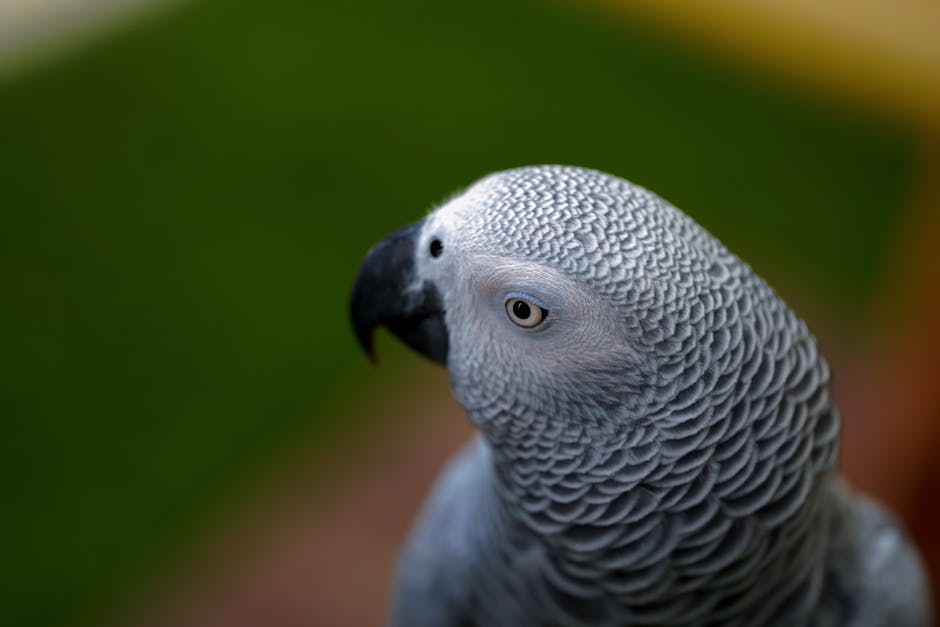
African Grey Parrots, renowned for their impressive intelligence and stunning plumage, easily captivate bird enthusiasts worldwide. The question often arises, Are African Grey Parrots loud? By nature, these parrots are indeed vocal, but labeling them as ‘loud’ necessitates understanding their innate communications.
The Vocal Nature of African Grey Parrots
The African Grey is not just a creature that makes noise; it’s a highly communicative bird species with an extensive range of sounds uniquely individual to each parrot. They express themselves with distinct chirps, whistles, and their notorious mimicry ability.
Here are some key features to bear in mind when discussing African Grey Parrots’ communication:
- Mimicry Ability: Due to their high intelligence, these parrots have an innate ability to mimic sounds they frequently hear. This includes human speech, ringing telephones, microwave beeps and more.
- Whistle and Chirp Sounds: No two African Greys are the same. Each has a unique mix of whistles and chirps to communicate.
- Natural Calls: The African Grey Parrot has unique calls in its repertoire, which are typically louder than other sounds they produce. This might be perceived as ‘loudness’.
Understanding African Grey Parrots’ Noisiness
Taking an objective view on their noisiness, African Grey Parrots, like all birds, use vocalizations as one of their primary forms of communication. Their vocal range can be quite broad encompassing relatively soft chatters, hearty laughs, piercing whistles, and loud calls.
A critical factor contributing to the perception of their noisiness is how often these louder expressions are made and the reasons behind them. Common reasons include anxiety, boredom, and a bid for attention. Understanding these triggers will go a long way in ensuring a harmonious relationship with these magnificent birds. A comparison will be made later between the noise levels of African Greys and other popular pet birds.
What Factors Influence the Loudness of African Grey Parrots?
African Grey Parrots tend to vocalize loudly for various reasons similar to why humans raise their voices – to express strong emotions or to command attention. Certain conditions may increase these vocalizations including:
- Loneliness: Parrots are social creatures. In the absence of companionship, your feathered friend may grow louder in a bid for interaction.
- Boredom: These intelligent birds need stimulation to keep their minds active. A bored parrot could resort to making loud noises for entertainment.
- Hunger: This one’s relatively straightforward – your bird may get loud when it wants a snack.
- Enclosure Size and Location: If their space is too small, or if it is not in a suitable location, your parrot could feel stressed, leading to increased vocalizing.
It’s important to remember that while vocalizations can be challenging, they are a fundamental part of these intelligent creatures’ personalities and communication techniques. The relationship you build with your African Grey Parrot isn’t just about managing their sounds; it’s about understanding their needs and expressions. Addressing the Loudness of African Grey Parrots
Understanding leads to strategies to manage the vocal nature of African Grey Parrots. Yes, they can be loud, but this characteristic is manageable through proper care and attention. Here, we delve into a few effective methods:
Regular interaction: African Grey Parrots thrive on social interaction with their owners. Spending regular, quality time with your parrot may lessen noise-making tendencies.
Introduce toys and stimulate mentally: Providing engaging toys could be an effective way to preoccupy your bird and minimize noise.
Ensure balanced diet: Keeping your bird well-fed could reduce their demands for attention.
Remember that the goal isn’t to force silence on them. It’s to manage loudness while providing an enriching environment for their growth and happiness.
African Grey Parrots: An Informed Decision
Owning an African Grey Parrot is a big undertaking that requires commitment, patience, and understanding. Only when they are well-cared-for and stimulated, are they likely to show their true colors – and what beautiful colors they have!
Weighing the pros and cons is an essential process towards making an informed decision:
- Pros: High-level intelligence, Long lifespan, Strong bonding ability: These parrots are known for developing a remarkable bond with their owner, which can last decades due to their long lifespan.
- Cons: Potential for loudness, Time commitment, Need for mental stimulation: Despite the pros, it’s important to remember that they require a significant amount of time, care, and entertainment due to their high intelligence.
All in all, understanding your African Grey’s communication techniques, the causes for their vocalization, and how to manage their noise levels are the keys to a harmonious living relationship. The more time, love, and understanding you devote, the greater affection and companionship you can expect from these stunning, intelligent creatures. Owning an African Grey Parrot can be a beautiful, rewarding experience like no other!
Key Takeaway:
- African Grey Parrots are highly communicative creatures with a wide vocal range that includes mimicry, whistles, chirps, and natural calls.
- Their vocalization is an important form of communication and while they can be considered loud, understanding the reasons for their vocal habits can help manage the noise.
- Variables such as loneliness, boredom, hunger, and their living environment can influence the loudness of these parrots.
- Regular interaction, mental stimulation, and a balanced diet can alleviate their loud vocal tendencies.
- Responsible ownership involves an understanding of the African Grey Parrot’s nature and needs, as well as a commitment to their long-term care.
Acknowledging the loudness of African Grey Parrots is one thing, but embracing their vocal nature as part of their unique personalities can foster a better relationship with these incredible birds. Taking time to understand and respond to their needs not only reduces their noise levels, but also ensures a healthier, happier pet. With love, patience and the right approach to their ‘noisiness,’ these parrots can make incredibly rewarding companions.
FAQs
Q: How can I tell if my African Grey Parrot is bored or lonely?
A: Your parrot might vocalize more frequently or loudly, show signs of restlessness, or engage in repetitive behaviors. It’s always a good idea to provide plenty of toys, interaction, and stimuli to keep your parrot engaged and happy.
Q: Should I be worried if my African Grey Parrot is relatively quiet?
A: Each parrot has its own personality and not all are necessarily ‘loud.’ However, sudden changes in vocal behavior may indicate stress or illness and should be addressed with a vet.
Q: Can I train my African Grey Parrot to modulate their volume?
A: While you can’t entirely suppress their vocal nature, positive reinforcement and distractions can often help manage their volume. Reward calm behavior and divert attention with toys or activities when they’re loud.
Q: What should I do if my African Grey Parrot’s loudness gets out of control?
A: Make sure all their needs are met – they might be trying to communicate something. If the volume continues to be problematic, professional help from an avian behaviorist might be needed.
Q: Apart from loudness, are there other behavioral challenges I should anticipate?
A: African Greys can be picky eaters and may pluck their feathers if anxious or bored. They require constant mental stimulation and human interaction to thrive, so be prepared for a high-maintenance pet.
The harmonious coexistence with an African Grey Parrot is not only possible but can be incredibly rewarding. Feel free to browse through our other articles for more insights into pet ownership and remember to share this article with your fellow animal lovers!