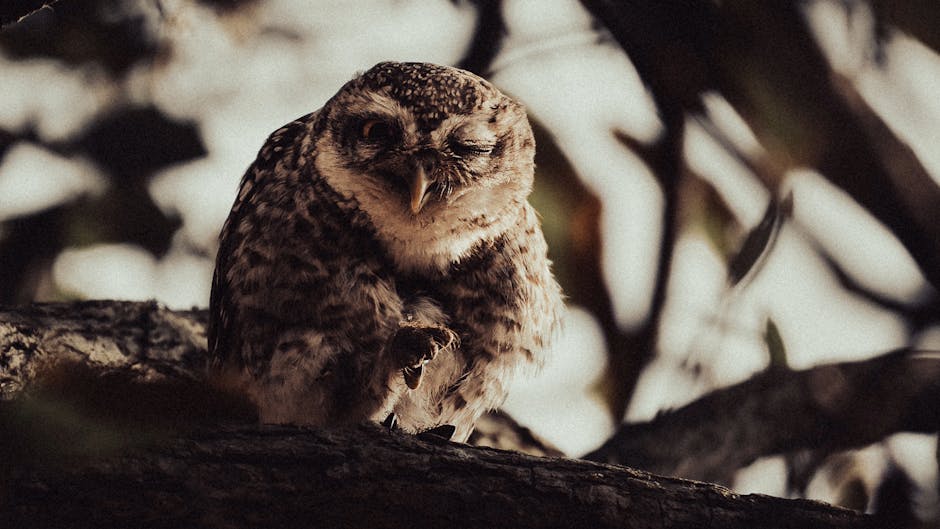
When you think of an owl, what image comes to your mind? A mystical nocturnal creature with round, wide eyes, and silent flight? Or, hoots echoing in the night? Indeed, all these aspects encapsulate the mysterious allure of owls. However, beyond our initial impressions, there is a rich, diverse world of owls to explore and appreciate.
Understanding Different Species of Owls
An incredible species diversity exists within the world of owls. Each species boasts features and peculiarities that set them apart in the vast bird kingdom. From the smallest owl species, the Elf Owl, weighing a mere 1.4 ounces and standing at 5 inches tall, to the Eurasian Eagle-Owl, with a wingspan up to 6 feet—there is no end to the wonders of these feathery creatures.
Some commonly found owl species include:
- **Barn Owl**: Recognizable through its heart-shaped facial disc and white, silver-grey, and yellow feathers. Known for its high-pitch shrieks more than hoots.
- **Snowy Owl**: Native to Arctic regions, this bird features a striking white plumage, effective as camouflage in snowy landscapes.
- **Great Horned Owl**: Named for the tuft of feathers that resemble horns or ears, they are known for their distinct deep, resonating hooting.
Pro tip: The Barred Owl has a distinctive hoot pattern often described as Who cooks for you, who cooks for you all, making it easily identifiable for enthusiasts.
Insight into Owl Behaviors
The life of owls unravels in the dark when much of the world sleeps. Their nocturnal lifestyle, equipped with specialized hunting skills, proves them to be formidable predators. Courting rituals among owls are particularly fascinating, where males often present food or display flight patterns to woo females. Nesting habits vary with some species, like the Eastern Screech Owl, preferring to nest in tree cavities, while others, such as the Barn Owl, adapt to human-made structures.
Owl-watching can be a rewarding experience when conducted with respect and discretion. Always keep a safe distance, avoid disturbing nesting sites, and restrain from using flash photography, which can startle the owls. Observations can balance between laboratory settings, which offer controlled variables but less natural behaviors, and wild environments that provide authenticity but can be intrusive.
Exploring Owl Habitats
Owl habitats span across various landscapes, from deep forests and open grasslands to Arctic tundra. These raptors adjust to their environments, utilizing it for camouflage, nesting, and hunting. An owl’s habitat is often characterized by its ample food supply, safe nesting sites, and camouflage benefits.
For the Desert Owl, the wilderness of arid deserts and open grasslands serve as the perfect habitat. On the other hand, the Snowy Owl prefers the chilly expanse of the Arctic, where it matches the snow-clad landscapes. By nature, owls are extremely adaptable, which has enabled different species to colonize most regions of the world, except for extreme deserts, certain islands, and the polar ice caps.
Fascinating Facts About Owls
Owls are fascinating creatures with numerous traits and behaviors that amaze and awe the bird-lovers. Here some notable aspects that showcase their extraordinary uniqueness:
- Do you know, unlike most birds, owls have forward-facing eyes, providing them with binocular vision that helps them to judge distances accurately while hunting.
- The silent flight of owls owes its credit to their uniquely designed feathers with soft edges that absorb sound. This equips them with the ability to sneak up on their prey quietly.
- You might be surprised to know that not all owls hoot, certain species like the Barn Owl are known more for their eerie screeches than hoots!
Pro tip: Owls are unable to move their eyes within their sockets, so they turn their heads nearly 270 degrees, aiding a wide field of vision without moving their body.
Conservation Efforts for Owls
As much as owls are adored and respected, they are also vulnerable to numerous threats. Rapid urbanization and habitat destruction have led to the decline in owl populations in certain regions. Recognizing the vital roles they play in maintaining healthy ecosystems, various conservation efforts are underway worldwide to ensure their survival.
If your heart beats for these enchanting creatures and you wish to contribute to their conservation, here are some best practices:
- Respect their habitats. Avoid disturbing nesting sites and keep your distance when observing them in the wild.
- Support initiatives like the International Owl Center and The Owl Project that work towards owl conservation through education, research, and habitat restoration.
- Promote and participate in responsible animal and eco-tourism. Never disturb owls or other wildlife to get a better look or a perfect photo.
Drawing the comparison between some owl species regarding their conservation status:
| Owl Species | Conservation Status | Contributing Factors |
|---|---|---|
| Spotted Owl | Endangered | Habitat loss due to logging and wildfires. |
| Boreal Owl | Least Concern | Wide distribution and stable populations. |
Protecting owls and their habitats is an essential step towards maintaining balanced ecosystems. As we continue to learn about these spellbinding creatures, it becomes more crucial to invest in their survival chances. Whether you are an ornithology enthusiast or someone who enjoys the beauty of nature, we all can play our part in the preservation of owls.
Key Takeaway:
- Owls are diverse creatures, featuring species from 5 inches to 6 feet wingspans. Commonly found owl species include the Barn Owl, Snowy Owl, and Great Horned Owl.
- Owls exhibit intriguing behaviors, such as unique hunting, mating, and nesting habits. When observing owls, one should be respectful and non-intrusive.
- Owl habitats range from forests and grasslands to Arctic tundra. Essential habitat characteristics include ample food supply, safe nesting sites, and camouflage potential.
- Owls have some fascinating traits, like forward-facing eyes for binocular vision, sound-draining feather design for silent flight, and head rotation due to immovable eyes.
- Owl conservation efforts are crucial, given various threats like urbanization and habitat destruction. General public can contribute by respecting owl habitats, supporting owl-friendly initiatives, and participating responsibly in eco-tourism.
Through your newfound knowledge, one can’t deny the vast diversity and unmatched allure of the owl family. Whether it’s appreciating the eerie screech of a Barn Owl or marvelling at the resilience of a Polar Owl surviving in an Arctic climate, the world of owls continues to fascinate. Embarking on this journey of owl discovery, keep in mind the importance of conservation, maintaining a respectful distance, and supporting their survival for future generations to appreciate.
FAQs
Q: How can I attract owls to my backyard?
A: To attract owls to your backyard, you can provide nesting boxes, maintain a quiet and safe environment, and have plenty of trees for roosting. Avoid using poisonous insecticides that can harm owls’ food source.
Q: How can I identify different owl species?
A: You can identify different owl species by their size, shape, feather colors and patterns, sounds, and the habitats they’re found in. Some species have distinctive features, such as the horn-like tufts on a Great Horned Owl.
Q: What should I do if I find an injured owl?
A: If you find an injured owl, don’t try to handle or feed it yourself as it may cause more harm. Instead, contact a local wildlife rescue center immediately, which will have professionals who can care for the owl.
Q: Are owls good pets?
A: Owls are not recommended as pets due to their special diet, nocturnal habits, and living space requirements. They are also protected under international law and keeping them as pets can be illegal.
Q: Why can’t owls move their eyes within their sockets?
A: Owls’ eyes are shaped like tubes and held rigidly in place by sclerotic rings, which makes them unable to move their eyes. Instead, owls can rotate their heads up to 270 degrees to see their surroundings.
Share this article with your fellow owl enthusiasts and continue exploring the fascinating world of owls on our website!