Birds are, indeed, warm-blooded animals, also known as endotherms. This means they can maintain their body temperature independently of external conditions through high metabolic rates and other mechanisms. As members of the Avian class, birds have unique adaptations that contribute to their ability to regulate their own body temperature. These include feathers, exceptional metabolic rates, and behavioural adaptations, showcasing a remarkable blend of physiological and behavioural strategies. In this article, we are going to explore these components and uncover how they contribute to avian thermoregulation.
The Bird’s Thermoregulatory System
A warm-blooded creature can maintain a steady internal body temperature regardless of the external environment. Birds achieve this through a high metabolic rate—energy produced by their bodies—and specific physical adaptations.
Birds have some of the highest metabolic rates in the animal kingdom which is instrumental in keeping their internal body temperature constant. This high metabolic rate is closely linked to the bird’s diet and is particularly notable in hummingbirds, which consume large amounts of nectar to sustain their energy needs.
Pro tip:
Did you know a hummingbird’s heart can beat up to 1200 times per minute? Their high metabolic rate supports their fast-paced lifestyle and maintains their high body temperature.
Feathers play a crucial role in protecting birds from harsh weather conditions by retaining heat. For instance, penguins, despite living in extreme cold conditions, manage to maintain a body temperature of around 38ºC (100ºF), thanks to their layer of insulating feathers. Feathers are also used in species-specific temperature regulation strategies:
- Eagles increase their surface area, spreading their wings and feathers to cool down.
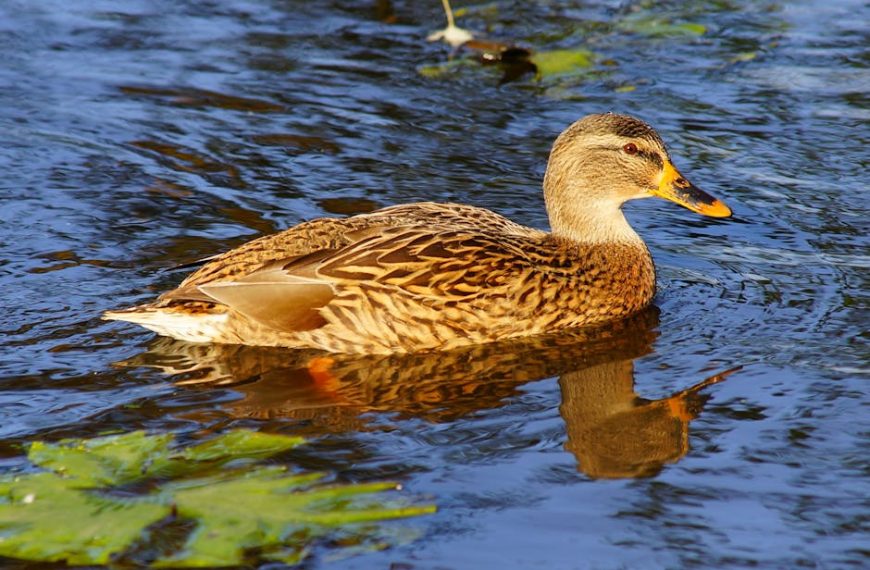
- Ducks trap a layer of air within their plumage, which acts as an insulator when they dive in icy waters.
- Puffins fluff out their feathers to trap warm air close to the skin, which helps them survive in cold climates.
Evolutionary Advantages of Warm-bloodedness in Birds
Being warm-blooded offers birds distinct evolutionary advantages, foremost among them being adaptability to different climates. This adaptability provides resourceful birds with access to varied habitats, prey, and nesting opportunities, ensuring species’ survival.
Birds employ behavioural changes to maintain an optimal body temperature. For example, sparrows puff up their feathers on cold winter days to trap warm air close to their skin, while pelicans flutter their throat pouches in the summer heat to allow more heat to escape their bodies.
Warm-bloodedness also impacts birds’ activity cycles. Owls, for instance, are nocturnal birds that use their excellent heat-generating ability to keep active at night when temperatures are colder. Diurnal birds like sparrows, on the other hand, use the heat from the daytime sun to supplement their internally generated warmth.
- Nocturnal Birds: Owls, Kiwis
- Diurnal Birds: Sparrows, Eagles
Challenges and Adaptive Strategies
Being warm-blooded is not without its challenges. Birds must consume large amounts of food to maintain their high metabolic rate, which can be difficult during seasons when food is scarce.
Climate change also has a significant impact on warm-blooded creatures, including birds. Increasing average temperatures may force birds to adapt their behaviour, ranges, and breeding seasons to survive.
Pros and Cons in the face of Climate Change:
| Pros | Cons |
|---|---|
| Warm-Blooded Birds can adapt to a wide range of climates. | Rising temperatures may cause heat stress and dehydration in birds, especially in species that are already living in hot climates. |
| Constant internal body temperature allows for high activity levels even in colder climates. | High metabolic rates require a constant food supply, which can be challenging in changing climates. |
Birds have developed several adaptive strategies to help them cope with fluctuating environmental temperatures:
- Torpor: Some, like hummingbirds, go into a state of torpor (temporary hibernation) to conserve energy during cold nights.
- Migration: Birds like swallows migrate to warmer climates during winter.
- Nest Building: Birds use materials with good insulation properties to build their nests, protecting their eggs and chicks from cold.
Comparison with Other Warm-blooded Species
Birds share the trait of warm-bloodedness with mammals. However, there are distinct differences between these groups when it comes to thermoregulation.
Size, metabolism, and lifestyle significantly influence a creature’s ability to remain warm-blooded. For example, elephants, as large mammals, have less surface area relative to their volume, which helps them retain heat. Birds, on the other hand, tend to be smaller and have a higher surface area to volume ratio, which aids in heat loss when necessary.
Birds and mammals share several behavioural strategies for thermoregulation, like basking in the sun for warmth or seeking shade to cool down. However, birds, with their ability to fly, can access vertical spaces to find favourable microclimates.
Pro tip:
Did you know some birds, like the male emperor penguin, can modulate their body temperature to save energy during the breeding season, a phenomenon unclear in the mammalian domain?
Myths and Misconceptions About Bird Thermoregulation
Birds may trick our senses by feeling cool to touch, leading to the misconception that they’re cold-blooded. This is due to their heat conservation strategy, where they reduce blood flow to their extremities to prevent heat loss.
Science on bird thermoregulation continues to evolve, and studies in this field have disproved several misconceptions. For instance, ostriches don’t actually bury their heads in the sand to cool down.
Common Myths:
- Myth: Ducks are immune to cold water.
– Fact: Ducks have a network of blood vessels in their feet that help limit heat loss.
- Myth: Birds will freeze to death in cold weather.
– Fact: Birds can survive harsh winter conditions with their high metabolism and insulating feathers.
The study of bird thermoregulation remains a vibrant field, with emerging technologies providing new perspectives. Continual research is important as it not only enhances our current understanding but may also pioneer solutions to help birds mitigate the effects of climate change.
Key Takeaway:
- Birds are warm-blooded creatures, known as endotherms, who maintain their internal body temperature regardless of external conditions, primarily through high metabolic rates and physical adaptations like feathers.
- These physiological attributes and behavioural strategies have offered birds unique advantages in the evolutionary process including the ability to live in varied climates and have distinct activity cycles.
- Warm-bloodedness, while advantageous, also presents challenges especially with the demanded high metabolic rates and the possible effects of climate change. However, birds have knowledgeable adaptive strategies such as torpor and migration.
- Although they share the warm-blooded trait with mammals, birds have specific differences in their thermoregulatory processes. This is influenced by factors such as size, metabolism, and lifestyle.
- There exist common misconceptions about bird thermoregulation, but continual scientific studies have been helpful in debunking these, providing more accurate information and insights into bird thermoregulation.
Overall, understanding bird thermoregulation, the challenges posed by climate change, and the need for ongoing research is essential. Appreciating these marvelous creatures and the science that helps us understand them can even inspire us to do our part in ensuring their survival.
FAQs
Q: How exactly does a bird’s diet affect its thermoregulation?
A: A bird’s diet fuels its high metabolic rate, which consequently helps maintain its internal body temperature. For example, hummingbirds consume copious amounts of nectar to support their energy needs, allowing them to maintain their high body temperature.
Q: Do all birds use the same strategies to regulate their temperature?
A: No, temperature regulation strategies can vary from species to species depending on their habitat, size, and other ecological conditions. These strategies can range from physical adaptations like feathers to behavioural changes like migrating to warmer climates during winters.
Q: How does climate change affect birds’ ability to regulate their temperature?
A: Rising temperatures due to climate change may cause heat stress and dehydration in birds, affecting their ability to regulate body temperature. They might also need to adapt their behaviours, ranges, and breeding seasons to survive in a changed climate.
Q: How do birds compare to mammals in their ability to regulate body temperature?
A: Both birds and mammals are warm-blooded, but there are distinct differences in their thermoregulation processes. For example, birds have a higher surface area to volume ratio, which aids in heat loss when necessary.
Q: Are there any other misconceptions about bird thermoregulation?
A: Yes, there are numerous misconceptions about bird thermoregulation. For example, a common myth is that ducks are immune to cold water, when in reality, they have a network of blood vessels in their feet which help limit heat loss.
We hope you found this article enlightening! We encourage you to share it with others and explore more posts on our website to learn about the fascinating world of birds.