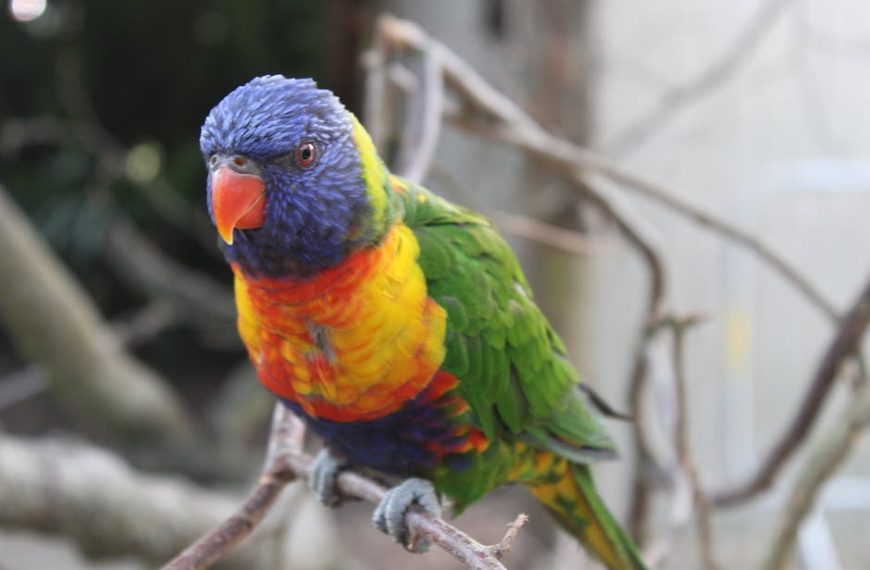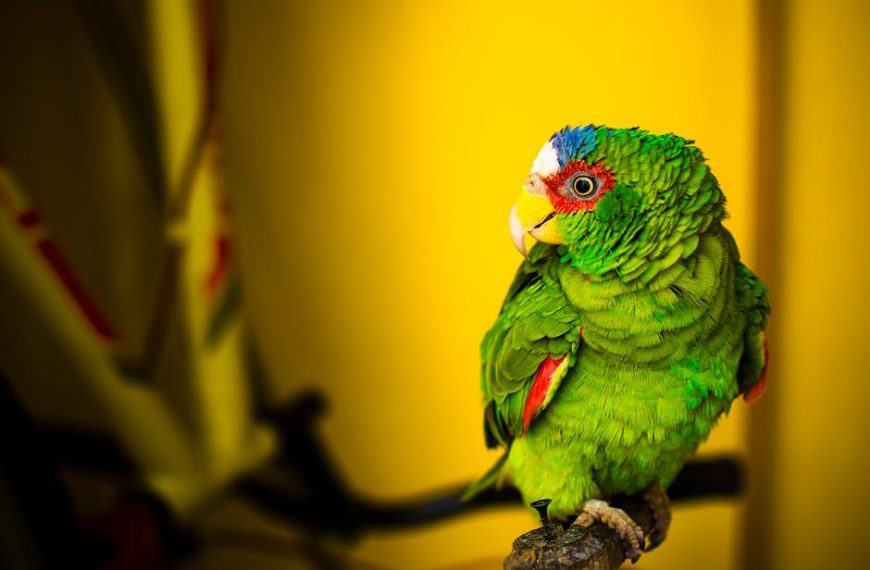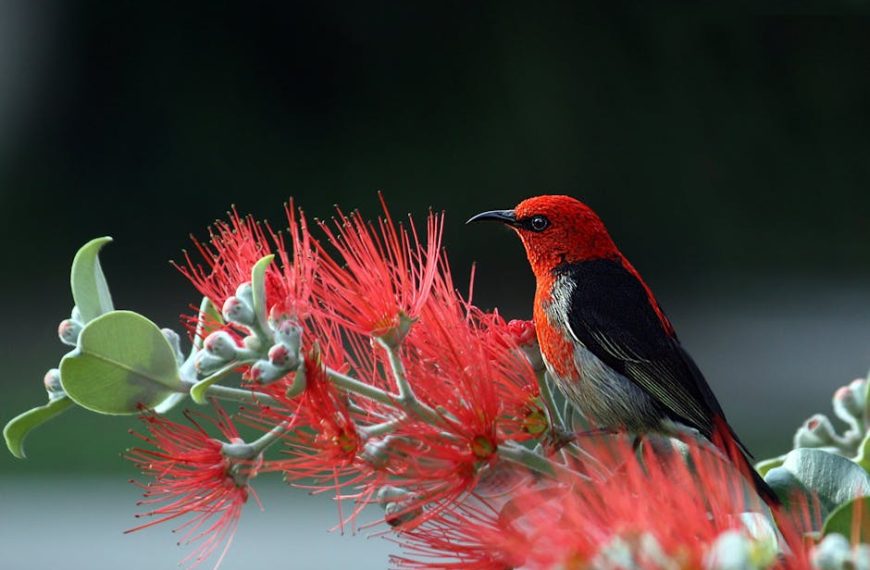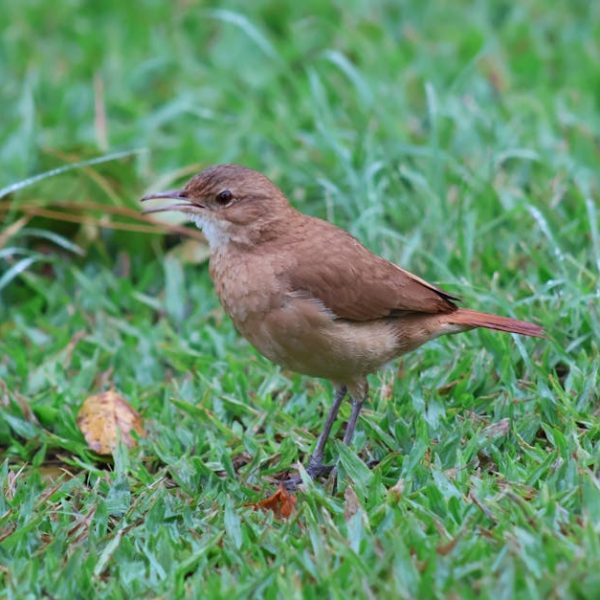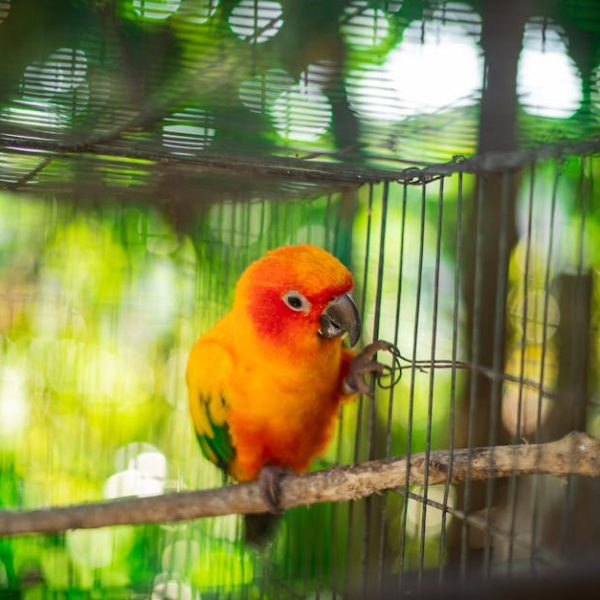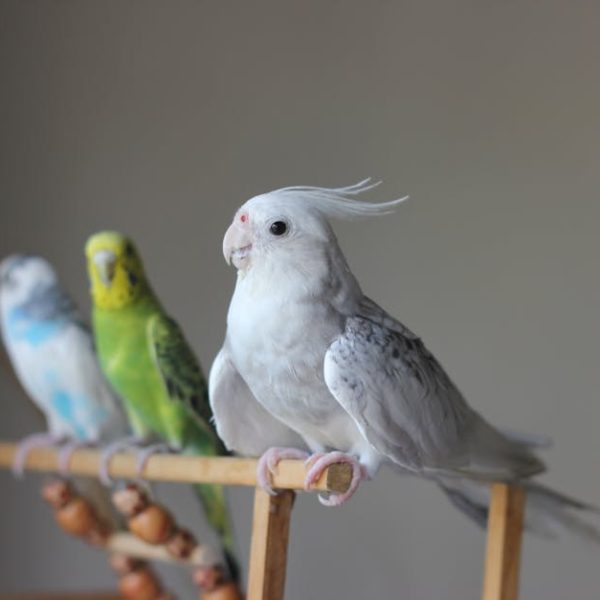
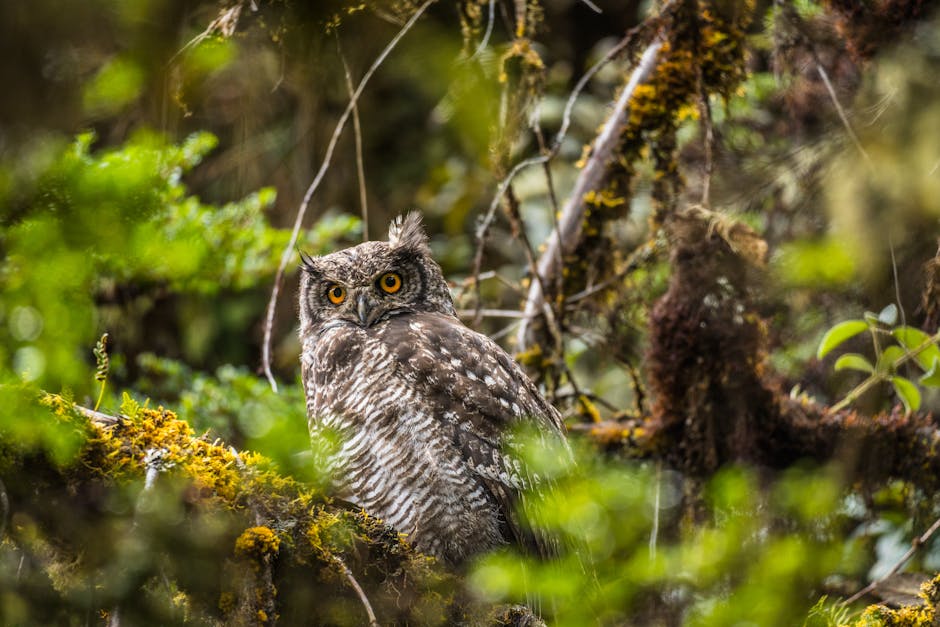
In the biological world, creatures are generally classified into warm-blooded and cold-blooded species. Birds, with their distinct characteristics and vibrant diversity, belong to the warm-blooded side of the divide. This categorization has important implications for how birds regulate their body temperatures, interact with their environments, and exhibit their unique behaviors.
Birds: A Unique Group in the Animal Kingdom
From perching sparrows to soaring eagles, the world of birds is characterized by astonishing diversity. Yet, within this multitude, there is a life-sustaining trait that unites them all – their warm-blooded nature.
Although we usually distinguish animals as being either warm-blooded or cold-blooded, nature is a lot more complex. Birds, like mammals, belong to a unique group of animals with an ability to maintain a stable body temperature regardless of environmental conditions.
To take a peek into the fascinating bird world, here are a few avian species with intriguing traits:
- The Arctic tern, best known for its migration, covers an astounding 25,000 miles each year.
- The peregrine falcon, famed for its speed, can dive up to 240 miles per hour to catch prey.
- The albatross, with its impressive wingspan, can glide on ocean winds for hours without once flapping its wings.
Furthermore, birds have an extraordinary metabolic rate and energy levels. For instance, the hummingbird’s heart can beat up to 1,260 times per minute, a feat that requires an incredibly high metabolic rate!
The Concept of Being Warm-Blooded
Being warm-blooded, or endothermic, means an animal has an internal mechanism to maintain its body temperature within a specific range. Birds, like humans, are endotherms, and their bodies efficiently generate and regulate heat, allowing them to stay active in cold climates and cooler during hot weather.
Certain bird behaviors, such as migration, are influenced by their warm-blooded nature. Birds migrate seasonally in response to temperature changes and food availability, actions made possible by their ability to adjust to fluctuating environmental temperatures.
Identifying warm-blooded animals in nature might seem complex. However, here are some reader-friendly tips:
- Look for signs of adaptability to cold weather: Warm-blooded animals can remain active in various climates.
- Observe feeding habits: Warm-blooded animals require more food because they expend energy to maintain their body temperature.
Comparative characteristics between warm and cold-blooded animals are illustrated in the table below:
| Warm-Blooded | Cold-Blooded | |
|---|---|---|
| Body Temperature Regulation | Remains relatively constant | Varies according to the surroundings |
| Energy Source | Internal metabolic processes | External heat sources |
| Activity Level | Active in various climates | Activity depends on external temperature |
Birds: Warm-Blooded Creatures
One common misconception that people often entertain is that birds could possibly be cold-blooded because of their reptilian origins. But, the fact is, in truth, birds are indeed warm-blooded creatures. Their ability to regulate their body temperature means they can survive in a variety of climates – from the scorching desert to the freezing arctic.
Birds’ warm-blooded nature allows them to undertake impressive feats like long-distance migration or living in extreme temperatures. They have several adaptations, like feathers for insulation and a high-oxygen supply, which helps them maintain their high metabolism.
Refer to the checklist below to identify traits exclusive to warm-blooded creatures like birds:
- High metabolic rates: Burns energy faster to produce warmth.
- Consistent body temperature: Maintains the same internal temperature regardless of environmental conditions.
- Four-chambered hearts: Facilitates better oxygen distribution to sustain high metabolism.
Being warm-blooded comes with its pros and cons for birds.
| Pros | Cons |
|---|---|
| Able to live in various climates | Constant need for food to fuel high metabolism |
| Capability for sustained activity and flight | Increased vulnerability during food shortages |
| Can incubate eggs, providing a stable temperature for development | Expenditure of energy in temperature regulation |
The Surprising Truth: Birds and Heat Regulation
Heat regulation in birds might seem quite straightforward, but it is a fascinating and complex process. Birds employ a range of physiological and behavioral mechanisms, including panting, ruffling feathers, and extending their wings, to lose excess body heat.
Here are a few examples of how different bird species handle heat regulation:
- Flamingos adopt behaviors like tucking their beaks into their feathers to conserve heat.
- Penguins huddle together to share warmth and retain body heat.
- Sparrows sunbathe but will move into the shade if they get too hot.
You can often identify these heat regulation behaviors in common bird species. For instance, you might spot a bird fluffing up its feathers on a cold day to trap more warm air next to its body. Remember, these behaviors are cues to the birds’ warm-blooded nature.
Understanding Bird Behavior through Their Warm-Blooded Nature
Knowing that birds are warm-blooded helps us understand certain bird behaviors better. For example, their daily search for food is directly linked to their high metabolism, and their migration pattern is a result of their ability to adapt to various climates.
Understanding this side of avian biology can aid greatly in bird care and conservation efforts. Recognizing heat-stressed birds or identifying and rectifying inappropriate habitat temperatures can prove crucial.
For bird watchers, here are few tips to comprehend bird behavior:
- Observe their feeding patterns: Frequent feeding is indicative of a bird’s high metabolic rate.
- Watch their responses to different weather conditions: It can provide insights into their heat regulation mechanisms.
The implications for bird care and conservation are both positive and challenging. On the one hand, it aids us in understanding the needs and behaviors of birds better. On the other, it propels us to develop strategies to ensure their survival, particularly in the face of climatic changes that could affect their habitats.
By comprehending birds as warm-blooded creatures, we can appreciate their remarkable adaptabilities, diverse behaviors, and unique survival strategies. It truly brings to light the incredible complexity and grandeur of the avian world.
Key Takeaway:
- Birds are warm-blooded creatures, which allows them to maintain a constant body temperature regardless of their environment.
- This classification plays a significant role in their striking adaptability to various climates, behaviors such as migration, and impressive feats like living in extremes of temperature.
- Bird’s warm-blooded nature calls for high metabolic rates, which in turn influences their eating patterns and energy levels.
- Understanding birds as warm-blooded can provide useful insights into their behaviors and aids in bird conservation efforts.
Birds’ resilience, driven by their warm-blooded nature, is truly fascinating. As we appreciate their diversity and complex behaviors, we also grow to understand their needs better. Let’s utilize this knowledge for the benefit of these beautiful creatures, nourishing their habitats and supporting conservation efforts. Remember each bird we protect is a step forward in preserving nature’s melodic harmony.
FAQs
Q: What makes birds different from other warm-blooded animals?
A: While both birds and mammals are warm-blooded, birds have developed specific adaptations to their warm-blooded nature, including feathers for insulation and their unique ways of regulating heat.
Q: Can birds regulate their body temperature like us humans?
A: Yes, birds can regulate their body temperature, much like humans. They employ various physiological and behavioral mechanisms to handle heat regulation.
Q: I saw a bird puff up its feathers in the cold. Is that due to being warm-blooded?
A: Indeed! Birds often puff up their feathers to trap more warm air near their body, thus helping them retain warmth during colder weather. This is a behavior influenced by their warm-blooded nature.
Q: How does being warm-blooded influence a bird’s feeding habits?
A: Being warm-blooded, birds have high metabolism rates. To fuel this high energy turnover, birds need to eat frequently. Therefore, their feeding habits are directly influenced by their warm-blooded nature.
Q: Do all birds cope with temperature changes in the same way?
A: No, different bird species may employ distinct mechanisms to cope with temperature changes, although the fundamental process of regulating body temperature is similar. For example, some birds sunbathe, while others huddle together for warmth.
Do you want to learn more intriguing facts about birds? Feel free to explore our other blog posts. And don’t forget to share this one with your bird-loving friends!