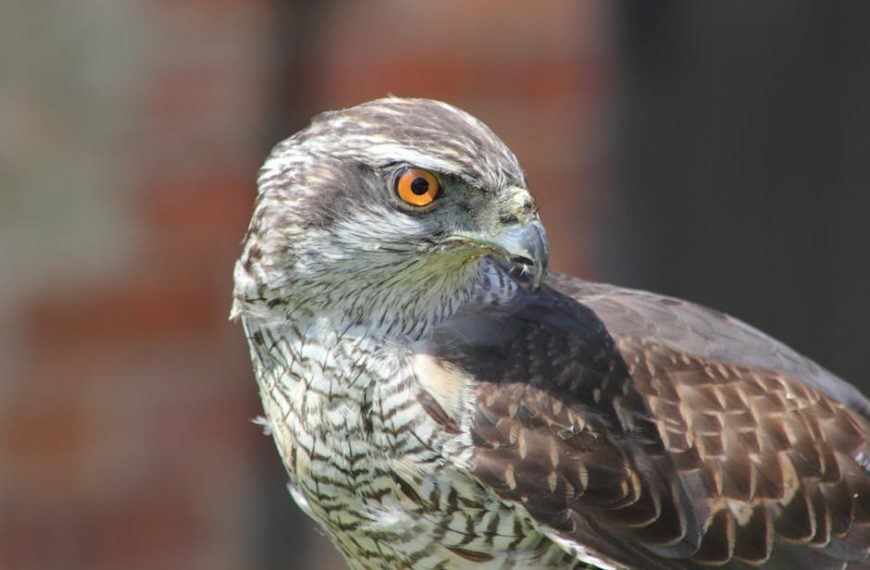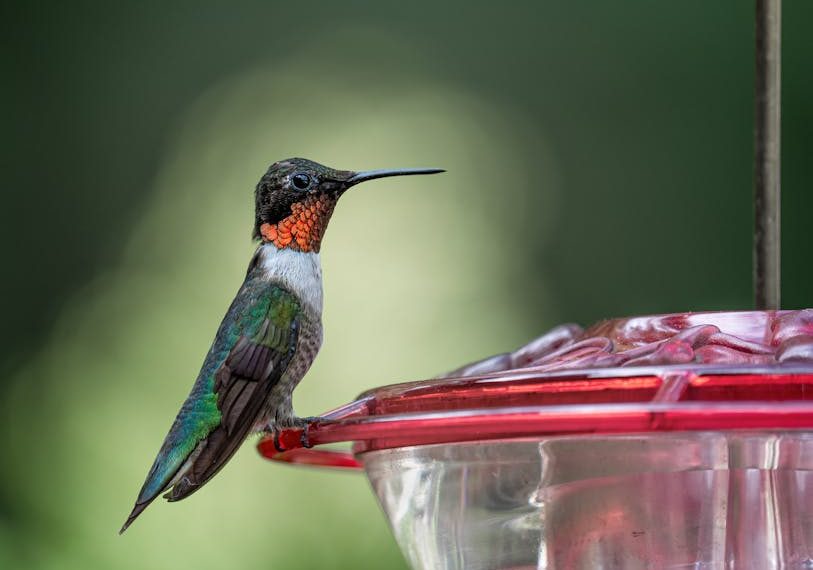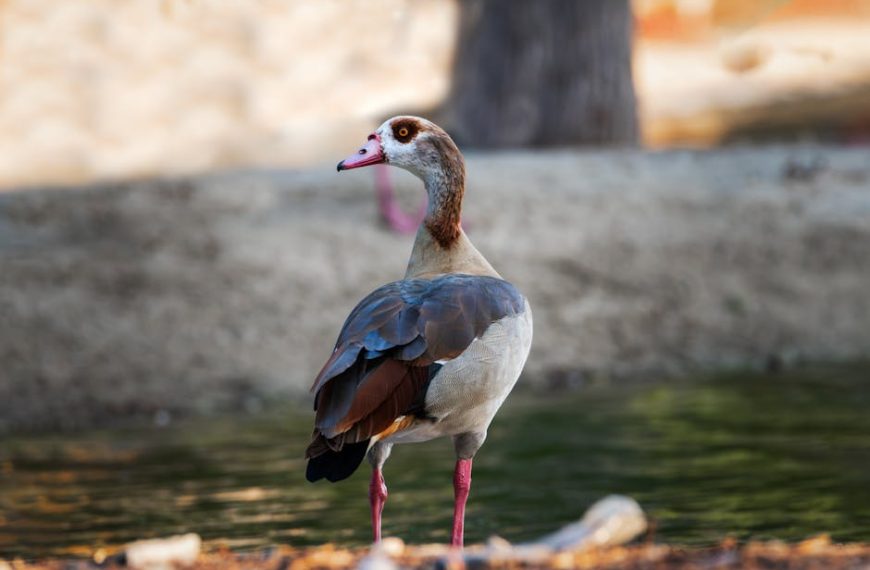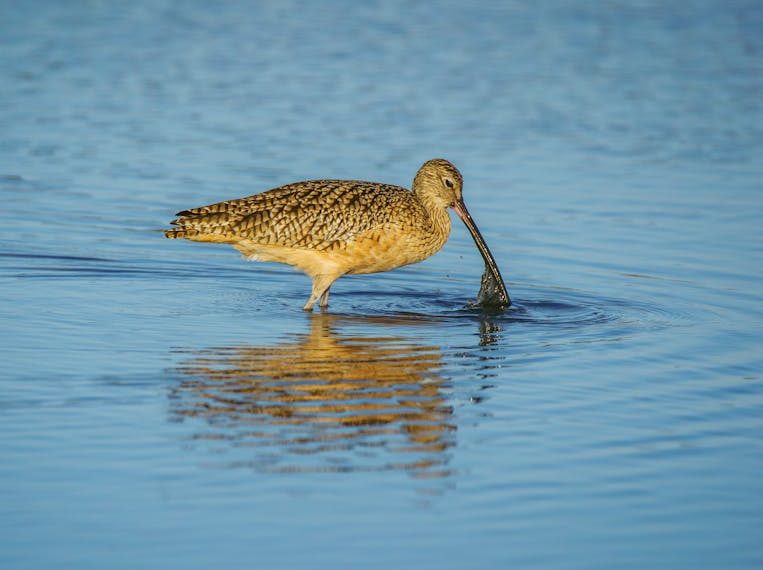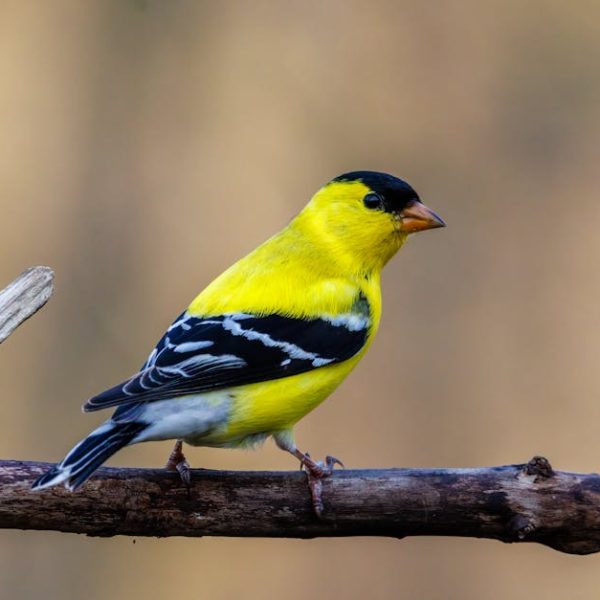
Beyond enhancing the aesthetic appeal of your landscape, brown birds play an essential role in contributing to a vibrant, balanced, and healthy garden ecosystem. These avian creatures inherently function as effective pest controllers, savvy pollinators, diligent seed dispersers, and valuable contributors to composting. The undeniable beauty and varying species of brown birds further accentuate the visible appeal of your garden, offering not just an attractive view, but also promoting local biodiversity and maintaining a balanced ecosystem.
The Impact of Brown Birds on Natural Pest Control
The increased presence of brown birds in your garden significantly aids in controlling pests that could potentially wreak havoc on your plants. Species such as sparrows, thrushes, and wrens are known for their voracious insect diet, feasting on a range of harmful pests including flies, beetles, aphids, and slugs. By serving as natural predators, these brown birds control and suppress the population of such pests, ensuring the safety and health of your garden.
- Common garden pests: Flies, beetles, aphids, and slugs
- Attracting birds: Set up birdhouses or birdbaths, use native plant species, and provide a regular source of food.
Balancing Pollination and Seed Dispersal
In addition to combatting pests, brown birds significantly contribute to the spread of flowers and plants throughout your garden. As they perch, they pick up pollen on their feathers which gets transferred to other plants, facilitating pollination. Furthermore, as these birds feed on fruits and berries, they inadvertently scatter seeds in their droppings, leading to new plant growth.
- Bird-attracting plants: Native fruit-bearing shrubs and trees, flowering plants
- ✅ Pro tip: Provide bird feeders filled with sunflower seeds and dried fruit to encourage visits from brown birds for effective seed dispersal.
Contributing to Your Garden’s Eco-cycle and Composting Process
Brown bird contributions extend far beyond pest control and pollination. They are also integral to guarding the garden’s lifecycling and improving the composting process. Birds feed on composting materials, helping to break them down faster. Moreover, their droppings add beneficial nutrients to enrich the compost.
- Comparing compost quality: Table showing compost quality with and without the presence of brown birds.
- Cons: Despite their benefits, birds may also scatter compost material and be attracted to harmful foods.
Leveraging the Aesthetic Benefits of Brown Birds in Your Garden
Brown birds bring an undeniable charm to your garden. Their pleasant appearances, flying maneuvers, and melodic calls offer a visual and audio delight. Not only do they amplify the aesthetic appeal of your garden, but they also help to create a serene, peaceful environment.
- Beautiful bird species: Sparrows, thrushes, wrens, and finches.
- Pro tip: Install birdhouses, feeders, and birdbaths at various elevations throughout your garden for bird-viewing opportunities.
Promoting Local Biodiversity and Ecosystem Balance
By welcoming brown birds to your garden, you are supporting local biodiversity and contributing to a balanced ecosystem. These birds, with their feeding and nesting habits, play a crucial role in the maintenance and growth of various plant species, directly impacting the overall health and diversity of your local ecosystem.
- Creating bird-friendly habitats: Use native plant species, provide clean water sources, and avoid using pesticides.
- Weighing the advantages: While this promotes diversity, a high number of birds may lead to increased noise and possible plant damage.
In conclusion, fostering a garden inviting to brown birds ensures a dynamic and robust ecosystem. Their ecosystem services and delightful observance make them a valuable addition to any garden. Attract a rich bird life to your space, and your garden will thrive in bounty and beauty.
The Impact of Brown Birds on Natural Pest Control
One can hardly overemphasize the role brown birds play in natural pest control. Insects and slugs, which comprise the majority of pests that cause strife in gardens, make up a significant portion of a brown bird’s diet. Birds like the sparrow, robin, and wren that feed on common garden pests such as flies, beetles, aphids, and slugs are frequently brown. By feasting on these pests, they help keep their population down, and your plants remain green and healthy.
- Common garden pests brown birds gorge on include: Flies, beetles, aphids, slugs and snails, and caterpillars.
- Here are best practices to invite brown birds to your garden:
– Install bird feeders and birdhouses for them to feed and nest in.
– Plant native plant species which they are familiar with and attract them.
– Provide a steady supply of fresh water for drinking and bathing.
Promoting Pollination and Seed Dispersal
Beyond pest control, brown birds are also excellent contributors to pollination. As they move from plant to plant in search of food, they disperse pollen over the flowers in their path. Similarly, they play an essential role in seed dispersal. As they eat, they take in seeds, which they later excrete while in flight, resulting in the spread of these seeds across the garden thereby promoting lush plant growth.
- Here’s an easy checklist of plants that brown birds prefer for pollination: Sunflowers, daisies, coneflowers, serviceberries, and cherries.
- ✅ Pro tip: Encourage more visits from brown birds for seed dispersal by regularly supplying bird feeders with their favorite foods, such as sunflower seeds and dried fruits.
Contributing to the Garden’s Lifecycling and Composting
The value of brown birds extends to the garden’s lifecycle and composting as well. They feed on decaying plant material, thus leading to faster decomposition. Their droppings rich in nitrogen and beneficial bacteria also enhance the quality of compost. However, they have been known to scatter compost material in their quest for food. Be sure to weigh the pros and cons.
- Here’s a comparison of compost quality in the presence and absence of brown birds:
“`html
| With Brown Birds | Without Brown Birds | |
|---|---|---|
| Decomposition Speed | Faster | Slower |
| Nutrient Content | Higher | Lower |
| Compost Uniformity | Less uniform due to scattering of material | More uniform |
“`
The Aesthetic Benefits of Having Brown Birds in Your Garden
Brown birds’ contribution to the aesthetic appeal of your garden cannot be dismissed. From their brown, amber, and gold feathers, their delightful songs and their intricate flight patterns, the beauty they bring to your garden is unrivaled.
- Remarkable brown bird species include: European Robins, Song Sparrows, Common Sparrows, and American Tree Sparrows.
- Pro tip: To enjoy the captivating beauty of these birds, organize your garden with bird-frequented features at different heights. Birdhouses in trees, feeders on medium height platforms, and birdbaths on the ground provide an all-encompassing view of your bird population.
Encouraging Local Biodiversity and Ecosystem Balance
Enhancing biodiversity and ecosystem balance in your garden is yet another critical role that brown birds play. Their diverse feeding habits improve the biodiversity of your plant life, and their nesting practices help balance animal life in your garden. However, maintaining a high number of birds can be noisy and may potentially lead to damage to some plants.
- Best practices for creating habitats to attract brown birds include: Planting a variety of native trees, shrubs, and flowers, maintaining a clean water supply, and avoiding the use of harmful pesticides.
- Consider the pros and cons: While you benefit from a more biodiverse garden, a larger population of birds might bring with it a bit of noise and potential harm to some delicate plants.
Engaging with brown birds through your gardening efforts doesn’t just promote an aesthetically pleasing environment. It creates a balanced and biodiverse ecosystem that contributes to the overall health of your garden. Happy bird watching!
Key Takeaway:
- Brown birds are beneficial to gardens as they suppress harmful pests, promote pollination and seed dispersal, and contribute to healthier composting.
- Inviting brown birds into your garden helps boost local biodiversity and creates a balanced ecosystem.
- Brown birds add to the aesthetic appeal of the garden, enhancing the experience for the garden owner.
Your garden is more than just a place for plants; it’s a living, breathing ecosystem that thrives with diverse life forms. Inviting brown birds into your space adds not only beauty but also strength and balance to your garden ecosystem. Embrace these avian visitors, savor the joy of their presence, and witness your garden flourish.
FAQs
Q: How can I discourage brown birds if they are causing damage to my plants?
A: If brown birds are causing damage to your plants, consider planting deterrents like spiny or thorny plants which birds tend to avoid. Place netting over particularly vulnerable plants, or install bird feeders away from these areas to draw them elsewhere.
Q: Can the presence of brown birds attract predators to my garden?
A: The presence of birds can potentially attract predators. However, there are ways to minimize this risk. Ensuring dense shrubbery for birds to take shelter, installing birdhouses high off the ground, and keeping pet cats indoors can help protect them.
Q: Are there optimal times of the year to attract brown birds to my garden?
A: Many bird species are more likely to visit gardens during colder months when natural food sources are scarce. However, maintaining bird-friendly amenities year-round ensures a steady presence of these beneficial creatures.
Q: What are some ways to make my garden more bird-friendly for species beyond brown birds?
A: The basics of attracting birds – providing food, water, and shelter – will welcome a wide variety of species. Consider adding different types of bird feeders and housing to cater to other species preferences.
Q: What if I live in an area where brown birds are not commonly found?
A: If brown birds are not common in your region, focus on the types of birds that are. Learn about their individual needs and cater your garden to those species for a balanced and thriving ecosystem.
Feel free to share this article with others who might appreciate the benefits of brown birds in their garden. Explore more topics on our website for enhancing your beautiful garden.