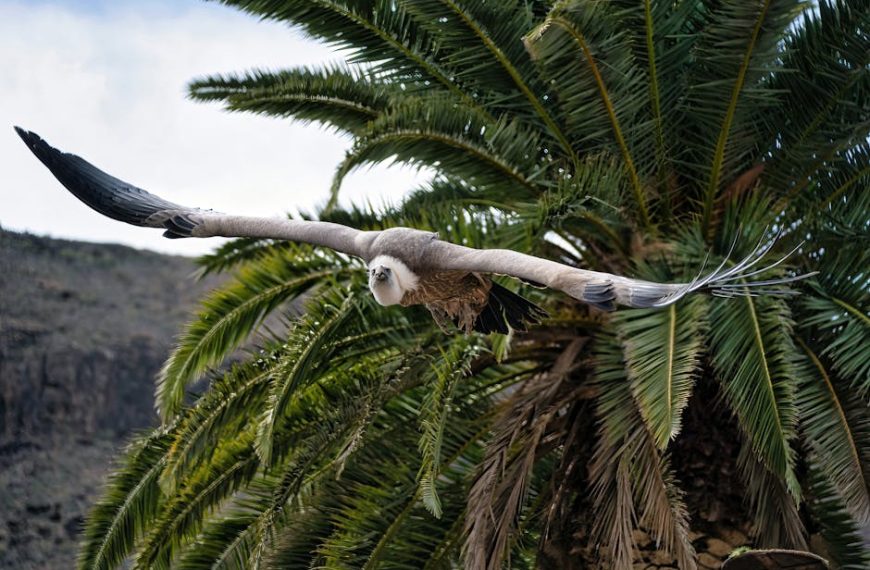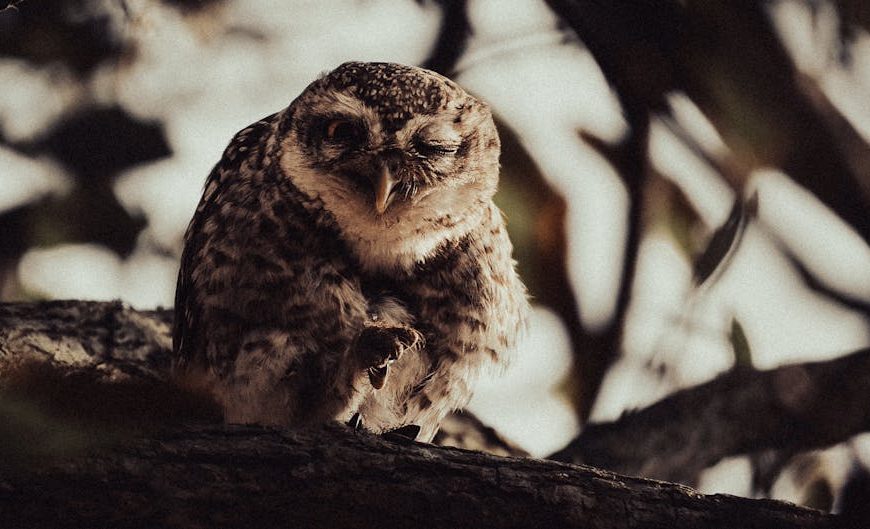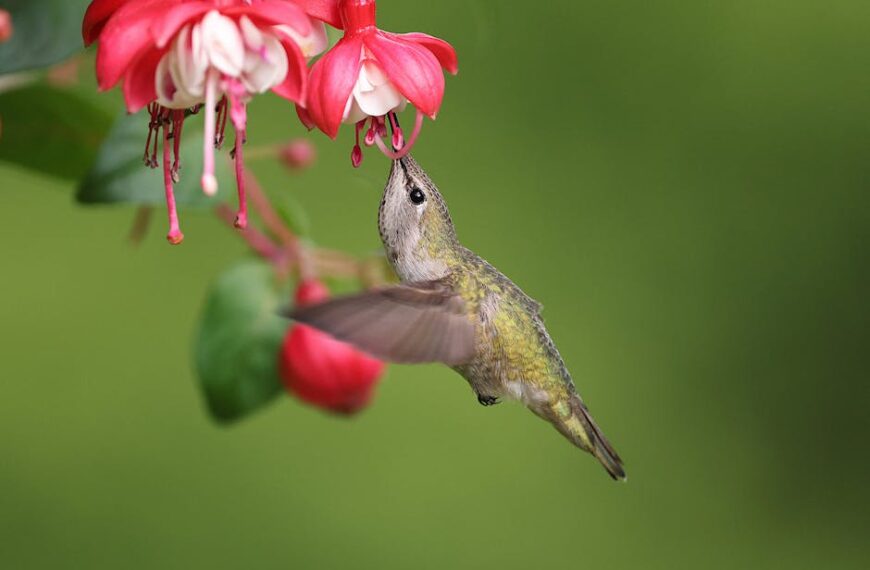
Ever considered how birds visually perceive the world? Believe it or not, birds possess highly developed vision superior to humans in several ways – but with one stunning hitch. Despite their extraordinary visionary prowess, birds struggle to see one of the most commonly used materials by humans: glass.
Understanding Bird Vision
Birds possess a remarkable range of visual abilities. Thanks to the unique construction of their eyes—a perfect adaptation to their environmental needs—they have the ability to see more colors than humans can. Moreover, they possess heightened sensitivity to light. These abilities help birds navigate through complex environments, identify food, and perceive potential predators.
On the flip side, birds have a notable challenge in perceiving stationary objects, especially transparent ones such as glass. It’s not because they’re surrounded by nature, far from man-made objects, but rather due to an intriguing peculiarity of bird vision.
Pro tip: Ponder over the eyes of a bird next time you spot one. Remember, these uniquely adapted eyes play a crucial role in their survival.
The Mystery of Glass Over Birds
Despite being feathered virtuosos of flight, bird vision struggles with the human invention of glass. Predominantly due to its transparency and reflectivity, glass poses an virtually invisible barrier for birds. Human’s glass structures often mirror the sky or surrounding vegetation, tricking our winged friends into believing they are navigating a clear path, resulting in fatal window strikes.
An intriguing view called smudge vision theory attempts to explain this anomaly. By this theory, the suggestion is that birds perceive glass as a smudged or unclear surface, adding to the confusion and reinforcing their inability to recognize it as a solid object.
Best practices: For those who care about our feathered counterparts, consider the adoption of bird safe glass or implementing decals on windows –a simple method that could contribute to minimizing window strikes.
The Impact of Window Strikes on Bird Population
Window strikes take a chilling toll on bird populations worldwide. Statistics reveal that up to a billion birds in the U.S. alone lose their lives to window strikes each year—an alarming figure that underscores the insidious nature of this threat.
The perils of window strikes are heightened by a convergence of factors such as time of year (with migration seasons posing heightened risk), bird species (some are more prone than others), and placement of bird feeders near windows.
Comparison: An interesting analysis involves the comparison of window strikes in urban versus rural settings. Urban areas with high rise structures represent an obvious challenge; however, low-rise buildings in rural areas are not bereft of danger, either.
| Urban Setting | Rural Setting |
|---|---|
| High-rise buildings | Low-rise buildings |
| Greater window area | Smaller window area, but closer to natural habitats |
Preventive Measures to Minimize Window Strikes
Understanding the problem of window strikes paints a grim picture, but thankfully, there are plenty of interventions homeowners and city planners alike can implement to make our spaces safer for birds.
One of the most convenient ways to bird-proof your windows is by using window films, tapes, or ultraviolet markers that are visible to birds but minimally intrusive to the human eye. Building and landscaping designs could also incorporate bird-friendly features such as vegetated roofs and walls, or strategically positioned bird feeders that discourage collisions.
Checklist: Here’s a simple guide to bird-proofing your windows:
- Select bird-safe window decals or UV markers for your windows.
- Reposition your indoor plants away from windows to reduce the appealing green view for the birds.
- Place bird feeders at a prudent distance from windows to reduce the chance of a window strike during sudden takeoff or landing.
- Schedule periodic checks to ensure your bird safety features are still effective.
Supporting Bird Safety Advocacy
Supporting bird safety efforts extends beyond personal homes. Advocating for bird-friendly legislation can ensure that new constructions adhere to building guidelines that minimize glass collision dangers for birds.
Several organizations are intensely involved in safeguarding birds, creating resources and driving initiatives designed to protect birds from the threat of window strikes. Participating in these campaigns, whether through donations, spreading awareness, or volunteering your time, can make a significant impact.
Pros and Cons: While bird-friendly laws and regulations may seem most advantageous to birds, they also influence other sectors. Let’s examine their impacts on architecture and construction industries:
| Pros | Cons |
|---|---|
| Promotes innovative building designs | Potentially higher construction costs |
| Encourages environmentally friendly practices | May limit creativity in architectural designs |
In the final analysis, our feathered friends’ struggle to see glass reflects the ever-evolving clash between the world natural beings inhabit and the built environments humans create. Tackling the problem begins with awareness and informed action – steps that you can take today for a safer tomorrow. Embrace bird-friendly living – because for birds, the world should be a richly colored panorama, not a deadly hall of mirrors.
Key Takeaway:
- Birds are visually superior to humans in some ways, given their ability to see more colors and higher sensitivity to light. However, they have trouble perceiving transparent, stationary objects like glass. This inability often results in window strikes, leading to considerable fatalities amongst bird populations.
- The high frequency of bird-window collisions worldwide is alarming, with factors such as time of the year, species of the bird and placement of bird feeders playing influential roles. This issue exists in both urban and rural settings, representing differing challenges.
- There are several preventative measures to minimize window strikes, like using bird-safe window decals, ultraviolet markers or tweaking building and landscaping designs to incorporate bird-friendly features.
- Supporting bird safety advocacy is vital to safeguard the bird population. Even though bird-friendly regulations might alter the architecture and construction sectors somewhat, they undoubtedly accentuate innovative and environmentally friendly practices.
Understanding the hardships our feathered friends face possibly due to the clash of their natural habitat with the built environment, we can surely strive to make a difference. With a little alteration, our admiration for aesthetics need not interrupt their flight. Act today to create a safer, bird-friendly environment where birds and humans can coexist harmoniously.
FAQs
Q: Why can’t birds see glass when they can see more colors than humans?
A: Despite their ability to see more colors, birds have difficulty perceiving stationary objects, especially transparent ones like glass. This is likely due to their environment and evolutionary adaptations, which doesn’t include handling man-made, transparent surfaces.
Q: How does the placement of bird feeders contribute to window strikes?
A: If bird feeders are placed too close to windows, birds can collide with the window during sudden take-offs or landings due to the deceptive transparency of the glass.
Q: Do window strikes occur more frequently in urban or rural areas?
A: Window strikes happen in both urban and rural areas but present different challenges. High-rise buildings in urban areas pose an obvious risk, while low-rise buildings in rural settings are also dangerous due to their proximity to natural bird habitats.
Q: What can I do to make my home more bird-friendly and reduce window strikes?
A: Using bird-safe window decals or ultraviolet markers, which are visible to birds, can prevent collisions. Also, positioning indoor plants away from windows and placing bird feeders at a safe distance from them can help.
Q: How does supporting bird-friendly legislation benefit architecture and construction?
A: Bird-friendly legislation can promote innovative building designs and encourage environmentally friendly practices. Even though it might incur higher construction costs and potentially limit some architectural designs, the overall impact is positive for both bird populations and environmental sustainability.
We hope this article has expanded your understanding and compassion towards birds. Share this knowledge with others and explore more insightful posts on our website.