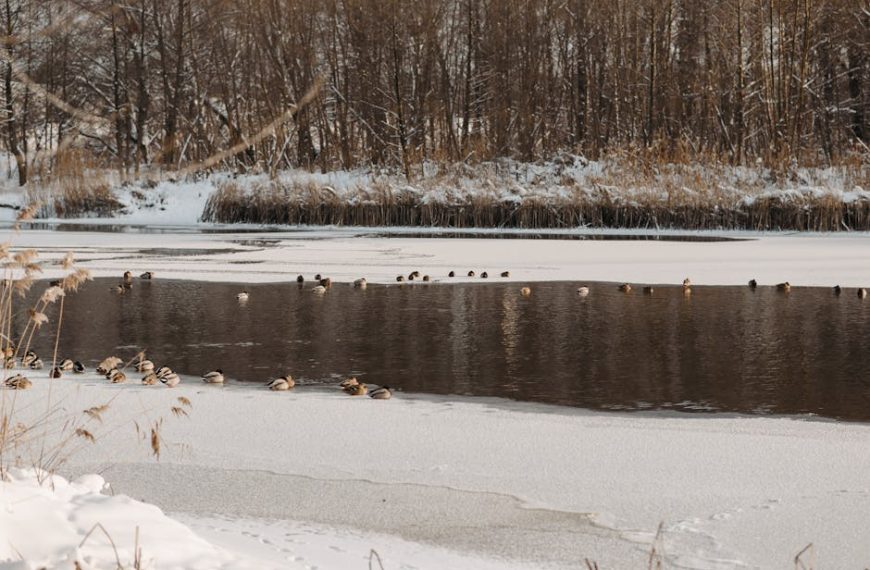
Florida is a canvas beautifully painted with an array of flora and fauna, attracting nature enthusiasts from around the world. Among the most captivating sightseeings, the ducks in Florida certainly strike a chord with their vibrant colors, distinctive behaviors, and as integral components of Florida’s biodiversity. This article uncovers the top three most common ducks spotted in Florida – the Mallard duck, the Mottled duck, and the Wood duck.
Mallard Ducks in Florida
Arguably one of the most recognizable species of waterfowl, Mallard Ducks are quite a sight to behold. The males, or drakes, boast a glossy green head contrasted with a thin white collar around the neck and a rusty chest. The females, on the other hand, have mottled brown-feathered bodies with a distinct blue-purple speculum outlined in white. Younger ones resemble the females, but with a darker brown body. On average, Mallards grow to a size of 20 to 26 inches and weigh between 2 to 3 pounds.
- Key Features of a Mallard Duck:
– Male Mallard: Brilliant emerald-green head, yellow bill, chestnut-brown chest, gray body, and a blue speculum with both sides bordered in white.
– Female Mallard: Mottled brown body, orange-brown bill, and a blue speculum bordered with white.
Florida is home to a large population of these adaptable creatures. They can be commonly spotted in marshes, ponds, rivers, and suburban habitats such as public parks.
Pro Tip: If you’re looking to see Mallard Ducks in their natural behavior, visit nature preserves or public parks during the early morning or late afternoon when they are most active.
Mottled Ducks in Florida
Mottled Ducks, a medium-sized waterfowl species, are native to Florida and are typically dark in color. They feature an unmarked grayish-brown body with a slightly darker back. Females are generally lighter than males but the physical differences between the sexes are subtle.
Perform a bit of duck detective with these physical attributes:
- Mottled Duck vs Mallard Duck:
– Mottled Duck: Darker body and subtler sex distinctions.
– Mallard Duck: More vibrantly colored, especially in males.
Mottled Ducks are quite prevalent in Florida, primarily inhabiting freshwater marshes and coastal brackish ponds.
Best practices for bird watchers:
- Keep a safe and respectful distance.
- Do not feed or disturb the ducks.
- Keep the nesting sites undisturbed to support their propagation.
Our exploration of common Florida ducks continues on with our next feathered friend, the Wood Duck. Stay tuned for more insights, facts, and conservation efforts related to these lovely creatures.
Wood Ducks in Florida
Seen as one of nature’s masterpieces, Wood Ducks wear a marvelously painted plumage. The males, objects of envy among their avian counterparts, display a variety of colors: their heads a palette of iridescent green, blue, and purple, the cheeks marked by striking thin white lines. Their breast is a bold burgundy with random white spots, while their back is black. Females, however, are grayish-brown with a subtly scaled pattern and a white eye-ring.
- Checklist for identifying Wood Ducks:
– Males: Multi-colored iridescent head, burgundy chest with white spotting, black back, and red eyes.
– Females: Grayish-brown body, subtle scaling, and white eye-ring.
In Florida, these Wood Ducks can be found in ponds and protected creeks with plenty of overhanging trees for nesting. Despite previous concerns about their population, recent conservation efforts have helped them make a successful comeback.
Pros and Cons:
Positive roles of the Wood Duck in Florida’s ecosystems include their contribution to controlling insect populations and dispersing seeds. However, challenges exist, mainly because of their specific nesting requirements and vulnerability to predators.
Duck Conservation Efforts in Florida
Duck species play a significant role in maintaining the diversity and health of Florida’s ecosystems. Apart from their ecological contributions, they also benefit the economy through hunting licenses and bird-watching activities. However, threats such as habitat destruction, pollution, and climate change pose serious challenges.
- Key threats to duck populations in Florida:
– Habitat loss due to urbanization and climate change.
– Pollution leading to loss of food sources and habitats.
– Hunting beyond legally prescribed limits.
Thanks to persistent conservation efforts, like habitat restoration and the establishment of protected areas, the duck populations have to some extent been stabilized. Public education initiatives have also been taken up to promote responsible behavior among duck enthusiasts and hunters.
Pro Tip: You can contribute to conservation efforts by practicing responsible bird-watching, reducing pollution, and advocating for habitat protection.
Fun Facts About Ducks in Florida
The ducks of Florida have some interesting and fun behaviors. For instance, Mallard Ducks often tip-up to feed, submerging their heads while keeping their tails up in the air. Mottled Ducks are known for their strong pair bonds, with mated pairs often seen together throughout the year. Wood Ducks have strong claws that allow them to perch in trees, a unique trait among ducks.
- Cultural significance: Ducks have been apart of Floridian culture in various ways. The Native American tribes of Florida notably respected ducks and many other water birds, seeing them as symbols of grace and companionship.
Continue your exploration of Florida’s diverse ecosystem with respect and responsibility, keeping in mind that every creature, big or small, has a role to play in the grand web of life. From the smallest insect to the largest alligator, and the most common mallard to the rarest bird, they all add unique threads to the tapestry that is Florida’s wild heritage.
Key Takeaway:
- The article identifies Mallard ducks, Mottled ducks, and Wood ducks as the top three most common ducks found in Florida.
- Each of these types of ducks is detailed with its physical characteristics, sizes, and behaviors.
- The ducks’ habitats in Florida are explained, along with their respective roles in the local ecosystem.
- The key threats facing these duck species are discussed, including habitat loss, pollution, and climate change. The article also highlights the ongoing conservation efforts and provides tips on how individuals can contribute to these efforts.
- Fascinating aspects of the ducks’ behaviors and their cultural significance in Florida are also highlighted.
As ducks play a crucial role in Florida’s diverse ecosystem, it’s essential for us to appreciate their contribution and ensure their survival. Whether a casual birdwatcher or a dedicated naturalist, every one of us can play a part in conserving these delightful creatures. Enjoy exploring Florida’s rich biodiversity responsibly, and remember your actions can have a significant impact on their world.
FAQs
Q: What is the best time of year to spot these ducks in Florida?
A: You can spot ducks year-round in Florida, but the best time might be during the cooler months when many ducks migrate south for the winter.
Q: What other species of ducks can be found in Florida?
A: While this article focuses on the most common species, Florida is home to a plethora of duck species including the Redhead, Blue-winged Teal, Northern Pintail, and many more.
Q: Are there any rules or regulations regarding duck hunting in Florida?
A: Yes, duck hunting in Florida is regulated by the Florida Fish and Wildlife Conservation Commission, and hunters must possess a valid hunting license and permits.
Q: What can I do to help conserve these ducks?
A: You can help by respecting their habitats, supporting conservation efforts, and promoting awareness about the importance of ducks to Florida’s ecosystem.
Q: Is it okay to feed ducks if I see them in a park or residential area?
A: Although it might seem harmless, feeding ducks can lead to a variety of problems, including poor nutrition, disease, and dependence on humans. It’s best to leave them to their natural diet.
Feel free to share this article with anyone who may be interested in learning more about Florida’s ducks. You’re also invited to explore more engaging posts on our website.