Bird tongues are truly fascinating in their anatomy, rivalling the unique attributes of their splendid plumes and agile flight. Unlike human tongues, bird tongues are not muscular and soft. Instead, they possess a rigid structure, thanks to the support from the hyoid bone that extends from the back of the tongue, circling around the back of the skull.
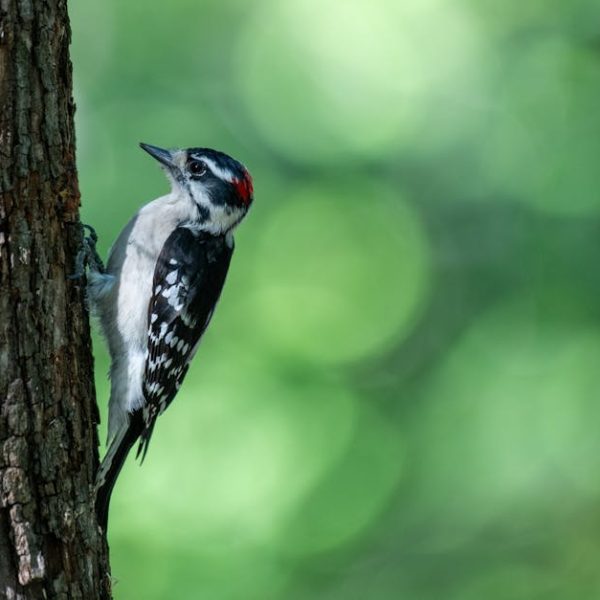
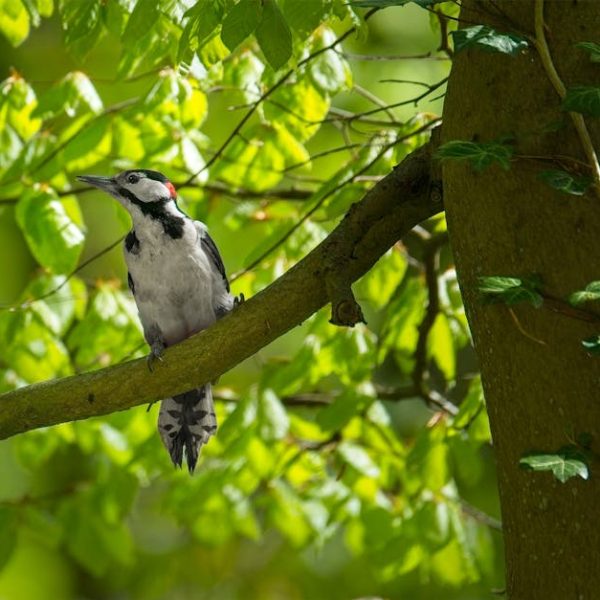
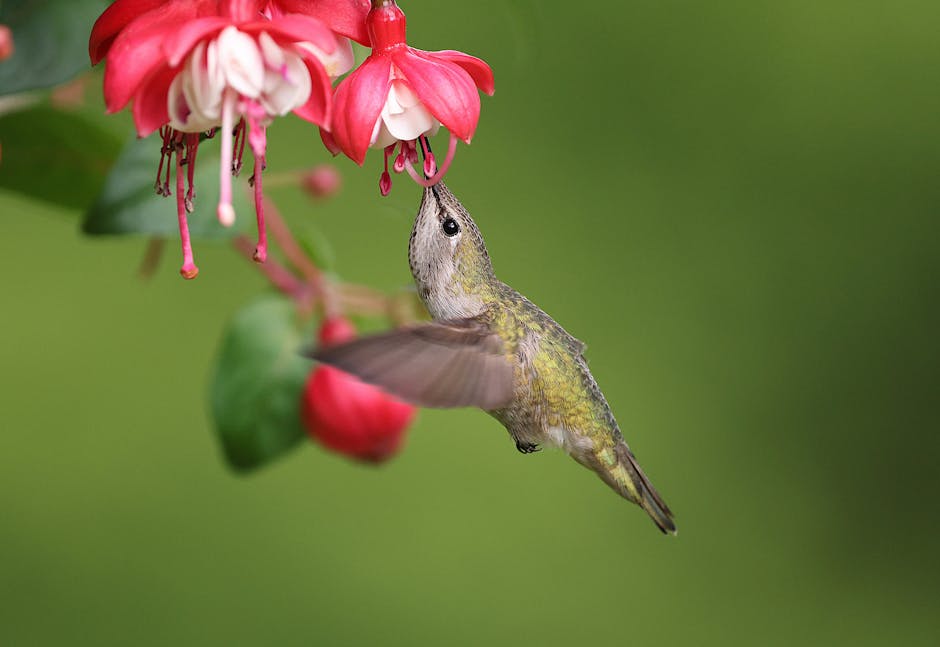
Bird species exhibit a diverse array of tongue structures tailored to their feeding habits. For example, hummingbirds possess long, tube-like tongues perfect for extracting nectar, while woodpeckers have elongated tongues armed with spiky barbs to pull insects from tree bark.
Pro Tip: Next time when observing a bird, try to notice the shape and length of its tongue. Such details often offer valuable clues about the bird’s feeding habits.
Best Practice: For enthusiasts keen on learning about the most unique tongue structures, keep a lookout for species like the Wrybill, Crossbill and the Spoon-billed Sandpiper.
The Function of Bird Tongues in Feeding
Bird tongues are not mere adaptations for taste; they serve essential roles in avian feeding. Woodpeckers, for instance, extend their barbed tongues into crevices to extract insects. On the other hand, hummingbirds use capillary action, where the nectar moves up their long, tubular tongues and into their mouths, allowing them to feed on countless flowers each day.
List: Some other fascinating feeding adaptations driven by unique tongue structures include:
- Australian honeyeaters: brush-tipped tongues to lap up nectar.
- Flamingos: filter-feeding tongues for sieving tiny shrimps and algae from the water.
- Pelicans: large pouch-like tongues for scooping up fish.
Versus: Unlike mammals where tongues are primarily used for taste and swallowing, bird tongues are specialized tools in assisting feeding, reflecting the intriguing diversity of avian lifestyle and diets.
Bird Tongues and Sound Production
Bird tongues are not just remarkable feeding tools; they also play a central role in producing the symphony of sounds we associate with birdlife. Songbirds, for example, possess sophisticated vocal organs called syrinx, where the tongue aids in modulating airflow to produce a variety of notes. Parrots, famous for their ability to mimic human speech, maneuver their thick, fleshy tongues to articulate different sounds.
Best Practice: You can often identify bird species by their unique calls. Pay attention to the duration, pitch, and rhythm of the song as you tune into the chorus of nature.
Pros and Cons: Birds equipped with specialized tongues for sound production often have an edge in mate attraction and territory defense. However, these adaptations might pose limitations on feeding or enhance vulnerability to certain threats. For example, a long, slender tongue ideal for sipping nectar may not serve well in preening or picking off parasites.
Evolution and Adaptation of Bird Tongues
Bird tongues reveal a captivating evolutionary saga. Over time, different species have developed specialized tongues to survive in distinct environments and dietary niches. The Hornbill, for instance, boasts a long, de-curved tongue to aid in fruit extraction, while aquatic birds such as the Spoonbill have a flat spatulate tongue adapted for sifting through water.
Understanding the evolutionary context of bird tongues can offer significant insights into their behavior, ecology, and life history traits. Moreover, it can inform and bolster conservation efforts by shedding light on the unique needs and vulnerabilities of different species.
Pro Tip: Studying bird tongues can help us understand how birds have evolved and adapted over time. This knowledge can aid in the conservation of endangered species.
Checklist: Some notable evolutionary adaptations in bird tongues include:
- The woodpecker’s extendable, barbed tongue for extracting insects from tree bark.
- The hummingbird’s long, tubular tongue for sipping nectar.
- The pelican’s pouch-like tongue for scooping up fish.
- The crossbill’s twisted tongue for prying open pine cones.
Interesting Facts about Bird Tongues
Bird tongues are a treasure trove of fascinating facts. Did you know that the tongue of a Brown-eared Bulbul is shaped like the letter ‘Y’, aiding in the handling of fruits and berries? Or that the tongue of a Kiwi is so long that it extends all the way to the bird’s nasal cavity?
Moreover, in stark contrast to our perception, birds don’t have tastebuds scattered all over their tongues. Instead, most of them are located in the back or base, meaning that they are not tasting their food as they eat it.
Comparison: The variety of bird tongues is truly dazzling. From the Brush-turkey’s short, round tongue for swallowing food whole, to the Secretary bird’s thick, strong tongue for snatching prey, each species showcases unique adaptations finely tuned to their lifestyle and diet.
List: Some surprising facts about bird tongues include:
- Birds have fewer tastebuds than humans: while we have around 10,000, chickens barely have 350!
- The woodpecker’s tongue is so long that it wraps around its skull when not in use.
- Some birds, like parrots, can learn to manipulate their tongues to mimic human speech.
- The flamingo’s tongue works like a pump to suck in water while feeding.
Now, the next time you spot a bird, you’ll know there’s more to them than meets the eye (or bill!). Whether it’s the song of a sparrow or the wacky feeding habits of flamingos, it all boils down to the magic of bird tongues!
Key Takeaway:
- Bird tongues have unique anatomical features which vary across species and are tailored to their feeding habits; this includes long, tube-like tongues for extracting nectar in hummingbirds and barbed tongues for pulling insects from tree bark in woodpeckers.
- Bird tongues play a crucial role in feeding, and the variation of tongue structures reflect the diversity of avian diets and lifestyles.
- In addition to aiding in feeding, bird tongues are critical for sound production, influencing the variety of bird calls and songs heard in nature.
- The structure and function of bird tongues reflect years of evolutionary adaptations that have helped species survive in specific environments and diets.
- Finally, bird tongues offer a plethora of interesting facts, such as the Y-shaped tongue of the Brown-eared Bulbul and the fact that birds have significantly fewer taste buds than humans.
Looking at the marvels of the bird world from a new perspective can unlock an entirely new appreciation for these magnificent creatures. Bird tongues are sublime demonstrations of evolution, adaptation, and survival. They serve as a reminder that nature’s design is both effective and enthralling. Stay curious, keep exploring, and let the world of birds continue to amaze you.
FAQs
Q: Do birds have tastebuds on their tongues like humans do?
A: Birds do have tastebuds, but unlike humans, their tastebuds are not evenly distributed over the tongue – most of them are located at the back or base of the tongue.
Q: How do bird tongues assist in sound production?
A: Bird tongues aid in regulating the airflow generated by the voice box or syrinx, thus producing a wide variety of sounds and calls. Parrots, for example, can move their tongues in different ways to mimic human speech.
Q: Why do parrots have thick tongues compared to other birds?
A: Parrots have thick, fleshy tongues which aid in breaking down food and articulating a variety of sounds, including mimicking human speech.
Q: What adaptations make the hummingbird’s tongue unique?
A: Hummingbirds have long, tubular tongues that work like straws, drawing up nectar from flowers through capillary action.
Q: Why do woodpeckers have long, barbed tongues?
A: Woodpeckers have elongated tongues armed with spiky barbs to remove insects and larvae from crevices in tree bark. Additionally, woodpecker tongues are so long that when not in use, they wrap around the bird’s skull!
We hope this article has given you new insights into the fascinating world of birds and their tongues. Please feel free to share this article with your friends and explore more posts on our website.