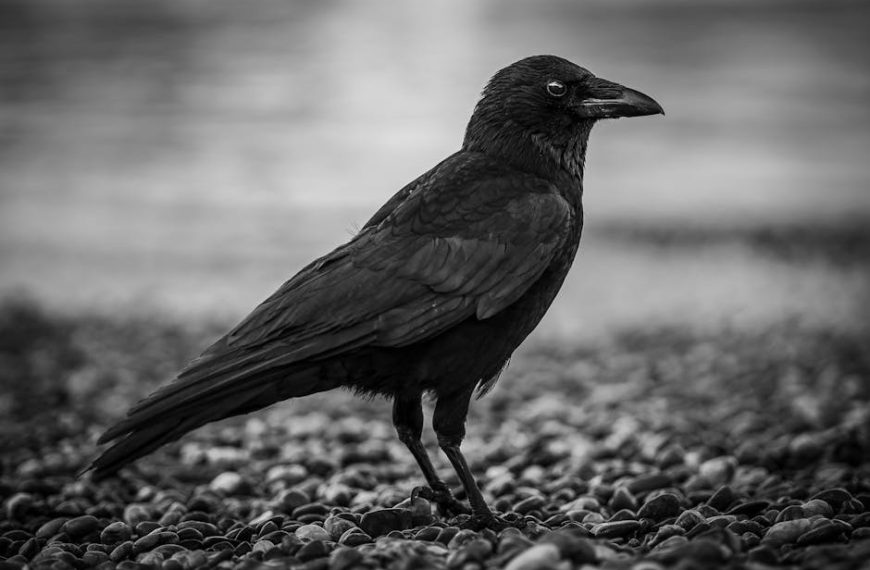
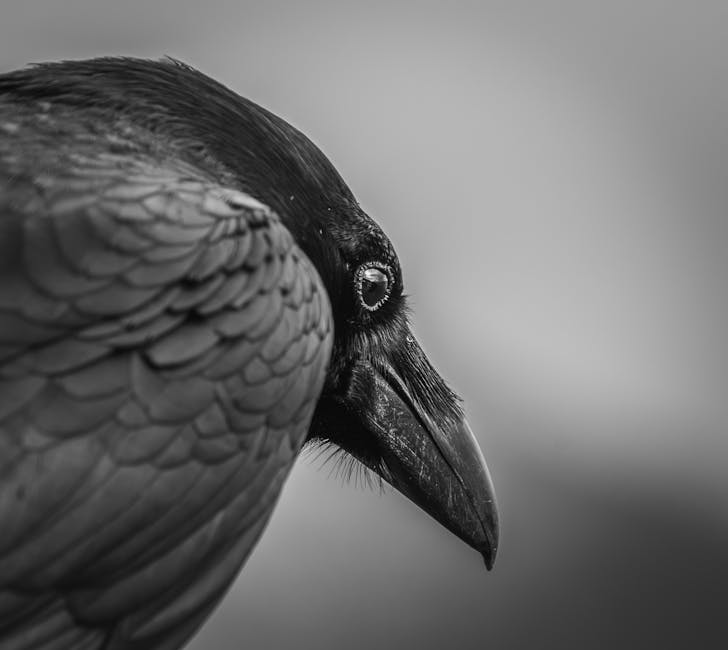
The white-necked raven, often referred to as the pied crow, is an intriguing and intelligent bird, loaded with distinctive characteristics. Its striking appearance, bold personality, and versatility makes this bird a captivating pet. The journey to owning one isn’t all rosy, but with the right information, the experience can be very rewarding.
Understanding the White-Necked Raven
Originating from the varied terrain of Africa, the White-Necked Raven or Corvus albicollis is instantly recognisable with its white chest and neck contrasting with its overall black plumage. They are incredibly intelligent and, in the wild, live in small family groups. In captivity, their lifespan can stretch up to 50 years under proper care.
Before embarking on your journey as a white-necked raven owner, it’s necessary to understand the legal stipulations in your area.Are they legal to own as a pet? Do they need special permits? Take the time to investigate these matters, as it differs from one region to another.
⭐ Quick facts:
- Ravens are known for their intelligence, rivaling that of dolphins and primates.
- Unlike other pets, ravens are long-term companions, with a lifespan equivalent to half a human’s life expectancy.
- When compared to parrots, they require a more meat-based diet and have a longer life-span.
The Health and Diet of a White-Necked Raven
White-necked ravens are omnivorous, meaning they have a diverse diet – from fruits, vegetables to meat and insects. They require a balanced diet to maintain optimal health. An improper diet lacking in nutrients can lead to serious health implications such as feather plucking or malnutrition.
Ensuring your pet has access to fresh, clean water is essential. Kings or White-necked ravens love to bathe, and never miss an opportunity to dip their beaks in.
Some common health issues faced by White-Necked Ravens are obesity, kidney disease, and bacterial infections, which can be mitigated with a balanced diet, clean environment, and active lifestyle.
✅ Raven Diet Checklist:
- Animal protein: insects, boiled eggs or lean cooked meat
- Fruits and Vegetables: Apples, carrots, peaches, and mangoes are favorites!
- Stuffs to Avoid: Chocolate, avocado, caffeine, alcohol and salted food
Remember, any visible discomfort, drastic change in eating habits or sudden aggression could be signs of health issues, so monitoring your raven’s behaviour is crucial.
Creating a Suitable Environment for Your White-Necked Raven
White-necked ravens require plenty of space to fly and stretch their wings. A small cage will not suffice; consider investing in a large enclosure or bird-proofing a specific area in your house. In addition to physical space, your raven also needs mental stimulation. Puzzle toys, mirrors, bells or chew toys can help keep it entertained.
Ravens love the outdoors, being exposed to sunlight helps in vitamin synthesis which is good for their health. If outdoor sojourns are difficult, ensuring your pet has access to a window view could be a compromise.
✔️ Bird-proofing Tips:
- Cover windows with blinds or curtain to prevent unintentional fly outs.
- Remove toxic plants, candles and heavy decor items that can fall over.
- Check for any open outlets, small crevices or loose wires in the room.
Building a Relationship and Training Your White-Necked Raven
Building a bond with your raven is crucial. These birds thrive on social interaction and enjoy being part of your activities. Talking to your pet, allowing it to perch on your arm or shoulder, and simply spending time with it can significantly enhance your relationship.
The intelligence of ravens is well-documented. They can learn new skills and can be trained to perform various tasks. However, training is more than just teaching tricks, it instils discipline and deepens your bond. Remember, positive reinforcement works well with ravens, just like it does with dogs or toddlers!
Best practices to bond with your raven:
- Spend time each day interacting with your raven.
- Teach it simple commands like Step Up, Step Down etc.
- Reward good behaviour with praises and treats.
Caring for and Maintenance of a White-Necked Raven
Regular check-ups are crucial for early detection of potential health issues in your raven. Trimming its beak, wings, and nails periodically can prevent injury and discomfort. Provide fresh bath water frequently, as ravens love to bathe and clean themselves.
Reading your pet’s behaviour is crucial in identifying when it requires professional medical attention. Changes in demeanor, weight loss, inconsistent droppings, lethargy, puffing of feathers, or changes in eating habits are signs that veterinary assistance is needed.
✅ Maintenance Checklist:
- Regular check-ups every 6 months.
- Trim beak, wings, and nails every 1-2 months.
- Fresh bath water every 2-3 days.
Pros and Cons of Keeping a White-Necked Raven as a Pet
| Pros | Cons |
|---|---|
| Intelligent and adaptive | Requires lots of mental and physical stimulation |
| Long lifespan | Requires long term commitment |
| Interactive and social | Can be loud |
| Can be trained | Requires patience and understanding |
Having a white-necked raven as a pet is not for everyone and requires a serious commitment of time and resources. But if this commitment can be fulfilled, the result is a rewarding relationship between you and an intriguing feathered companion. They can offer a unique, unforgettable companionship that can last for decades. So have a thought, do the research, make the commitment if it feels right and then sit back and enjoy the company of a remarkable pet.
Key Takeaway:
- White-Necked Ravens, native to Africa, are known for their intelligence, adaptability, and striking features. They are legal pets but require region-specific permits.
- They are omnivores, needing a balanced diet of fruits, vegetables, and meat for optimal health. Regular access to fresh, clean water is essential for their well-being.
- Suitable living conditions, including spacious enclosures and mental stimulation, are crucial for their happiness and health.
- Building a bond through social interaction and training using positive reinforcement enhances the relationship with these birds.
- Regular health check-ups and a keen eye on their behavior can aid in early identification and treatment of potential health issues.
Having a White-Necked Raven as a pet is a long-term commitment, both in terms of time and resources. However, with adequate care and understanding, they transform into rewarding companions. Taking the time to learn and cater to their unique needs will ensure a satisfying and enriching interaction with your avian pet.
FAQs
Q: What is the average lifespan of a White-Necked Raven in captivity?
A: With proper care, a White-Necked Raven can live up to 50 years in captivity.
Q: What health issues are common to White-Necked Ravens?
A: Obesity, kidney diseases, and bacterial infections are some of the common health issues faced by White-Necked Ravens, which can be controlled with a balanced diet, clean living conditions, and active lifestyles.
Q: What is an ideal diet for a White-Necked Raven?
A: White-Necked Ravens are omnivorous and prefer a diet consisting of fruits, vegetables, meat, and insects. Regular access to fresh, clean water is a must.
Q: Can White-Necked Ravens be trained?
A: Yes, due to their intelligence, White-Necked Ravens can be trained. It’s important to remember that patience and positive reinforcement go a long way while training them.
Q: How can I make sure my White-Necked Raven is mentally stimulated?
A: Providing them with puzzle toys, mirrors, bells, or chew toys can keep them entertained and mentally stimulated. Letting them be part of your daily activities also enhances their mental health.
We encourage you to explore more posts on our website and share this article with those who might find it beneficial. Your interaction helps us in maximising reach to nature lovers and pet owners globally.