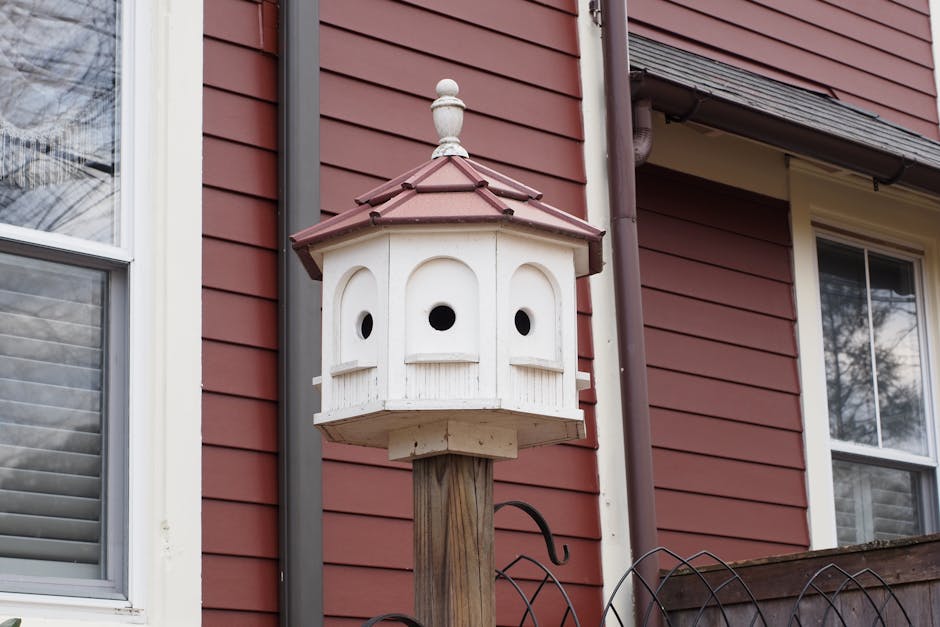
The art of painting birdhouses brings together the fusion of creativity, nature, and outdoor beauty. A painted birdhouse not only adds a splash of color to your garden but also invites a flurry of feathery friends to your backyard. As the saying goes, the manner in which you treat your birdhouse says a lot about the birdwatcher in you. So, in this step-by-step guide, we take you through the process to ornament your garden with a beautifully painted birdhouse.
Materials Needed for Painting Birdhouses
Before we dive into the painting process, it’s important to assemble the correct materials. The types of materials you need may vary depending on the design and aesthetic preference, but the basics typically include:
– Variety of birdhouses: The options range from simple DIY kits to intricate designs. The choice depends on your painting skills and the level of detail you’d like to achieve.
– Paint: Non-toxic acrylic paint is highly recommended as it’s safe for birds and durable in varying weather conditions.
– Brushes: A mix of broad and fine-tip brushes is essential for different painting techniques.
You would also need items like painter’s tape for sections you want to remain paint-free, sandpaper to smooth surfaces, and non-toxic sealant to protect your work of art from the elements.
Selecting the Ideal Painting Weather and Environment
Painting isn’t merely wielding a brush and smearing color. Weather plays a critical role in the process – especially when painting outdoors. Although painting a birdhouse can seem like the perfect sunny afternoon activity, direct sunlight may cause the paint to dry too quickly. Warm, overcast conditions are often best for outdoor painting tasks. A temperature between 50 and 85 degrees Fahrenheit is generally ideal, allowing the paint to dry steadily. Observing wind conditions is critical too, as gusty winds can carry dirt and particles that could stick to your birdhouse’s new coat of paint.
Preparing the Birdhouse for Painting
Great artwork begins with a great canvas. Similarly, painting a birdhouse requires some preparatory work. Start by cleaning the birdhouse to remove any debris or previous paint residues. Sanding the birdhouse – employing a mid-range grit sandpaper of about 150 – ensures a smoother surface for paint adherence. After cleaning and sanding, it’s crucial to use painter’s tape to cover areas not intended for painting. This ensures you have crisp lines and a sharp contrast between painted and unpainted areas.
Painting Techniques for Birdhouses
With your birdhouse prepped and ready, it’s time to explore the paint techniques that create the desired effect. The fundamental techniques every painter should master include:
– Base coating: Applying a solid base color to the entire birdhouse.
– Detailing: Painting intricate details or patterns on the birdhouse.
– Layering: Applying multiple layers of paint to achieve a deeper color and finish.
Remember, patience is key in painting. Giving ample time for each layer to dry before applying the next one ensures a longer-lasting, attractive finish.
Now, it’s time to get your creative juices flowing and paint your outdoor birdhouse.
Providing Final Touches and Maintenance
Your painted birdhouse is almost complete. Now for the finishing touches and sealing. To create an inviting birdhouse, you can add additional decorative elements like faux flowers or tiny, non-toxic ornaments. To protect your artwork from the elements, use a clear, non-toxic sealant. Apply the sealant generously and give it time to dry.
Taking care of your painted birdhouse is as essential as painting it. Regular cleaning, checking for any signs of wear or damage, touch-ups, and reapplying a sealant once a year will help maintain its beauty.
SUMMARY
- Choose the right birdhouse, paints, brushes, and other necessary materials for painting.
- Identify the ideal painting weather – warm and overcast with a temperature between 50 and 85 degrees Fahrenheit.
- Prepare the birdhouse by cleaning, sanding, and taping off areas not to be painted.
- Apply painting techniques: base coating, detailing, and layering.
- Provide final touches, protect with the sealant, and maintain.
CONCLUSION
Now that you’ve mastered the art of painting birdhouses, it’s time to bring your work of art outside and look forward to the sound of chirping birds. Take joy in knowing you’ve created a safe, beautiful haven for your feathered friends while adding a touch of color to your outdoor space.
Remember, the secret to successful birdhouse painting lies in patience, practice, and allowing your creativity to soar, just like the birds who will make your painted house their home. So get your brushes ready, and let the paints flow for the love of birds and the joy of creative expression.
Key Takeaway:
- Selecting the right materials, including the birdhouse, brushes, non-toxic paints, and other protective items, is crucial for painting birdhouses.
- Identifying the ideal painting weather and environment can make a massive difference in how the paint dries and lasts.
- Preparing the birdhouse by cleaning, sanding, and securing areas to remain untouched by paint is a critical step.
- Different painting techniques such as base coating, detailing, and layering can be used to achieve the desired aesthetic.
- The final touches, sealing the paint, and maintaining the painted birdhouse prolongs its beauty and durability.
Take joy in each step of painting, creating a beautiful haven for your feathered friends. Possessing patience, practice, and a spritz of creativity, you’re now equipped to add color not only to a birdhouse but also to your garden. So, pick up those brushes and let your imagination fly high, echoing the liberty of the birds.
FAQs
Q: Can I use any kind of paint for my birdhouse?
A: It’s highly recommended to use non-toxic acrylic paint for birdhouses. It’s safe for birds and can withstand various weather conditions.
Q: What should I do if the paint doesn’t stick to my birdhouse?
A: Ensure the birdhouse is clean and has been properly sanded before you start painting. This helps the paint adhere better to the surface.
Q: Is it necessary to seal the painted birdhouse?
A: Yes, sealing your painted birdhouse with a non-toxic sealant helps protect your piece of art from the elements and increases its durability.
Q: How should I maintain my painted birdhouse?
A: Regular cleaning, checking for signs of wear or damage, touching up paint as needed, and reapplying sealant annually can help maintain the beauty of your birdhouse.
Q: Can painting a birdhouse harm the birds?
A: If you use non-toxic paint and sealant, painting a birdhouse should not harm the birds. However, avoid painting the inside of the birdhouse as birds may peck at it.
Share this guide with fellow bird enthusiasts. Explore more posts for additional tips and step-by-step guides.