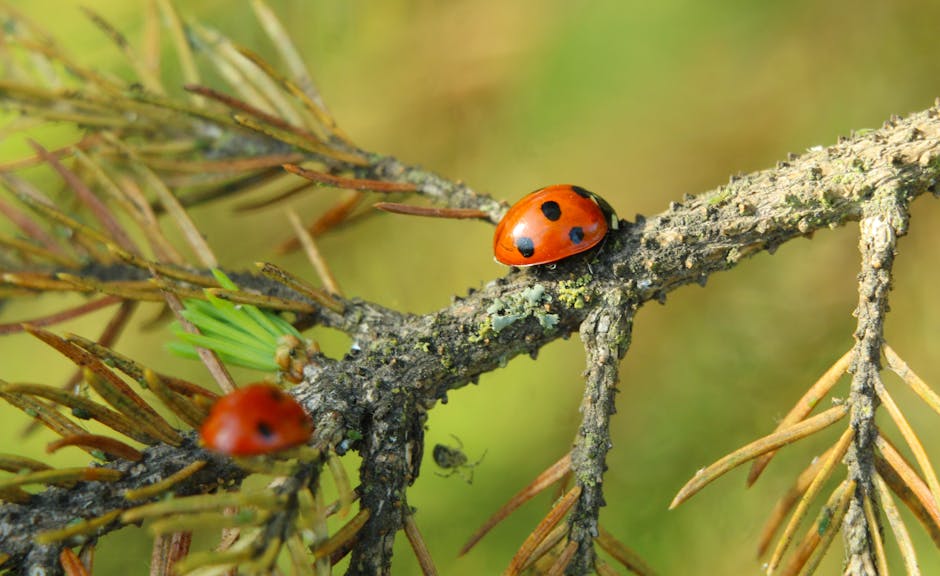
The Seven-Spotted Ladybug, also known as Coccinella septempunctata, is a delightful creature adorned with a name as distinctive as its appearance. Known for its bright red or orange shell speckled with seven unique black spots, this type of ladybug presents an intriguing study in Mother Nature’s smaller wonders. Beyond its visually appealing facade, the Seven-Spotted Ladybug exhibits a variety of intriguing characteristics, lifespan stages, habitats, and behaviors that make it the most common type of ladybug globally.
Understanding the Attributes of the Seven-Spotted Ladybug
Its moniker, ‘Seven-Spotted Ladybug,’ is derived from its defining physical attribute: seven black spots evenly distributed on a strikingly red or occasionally orange shell, or elytra. The bug itself typically measures between 6.0 and 8.5 mm in length, making it slightly larger than other ladybug species.
The ladybug’s life cycle is composed of four main stages: eggs, larvae, pupae, and adulthood. After hatching from egg form in about a week, it rapidly develops as a larvae over two weeks, primarily focused on feeding. It then pupates, taking another week to transform – protected by an exoskeleton – into an adult. Adults can live up to a year, but many do not survive the winter despite their ability to overwinter in a hibernation-like state.
The Geographic Distribution and Habitats of Seven-Spotted Ladybugs
Native to Europe, the Seven-Spotted Ladybug was introduced to North America in the 1970s to combat rapidly growing aphid populations, and it has since flourished throughout many parts of the world. These adaptable creatures can be found in a variety of environments, ranging from agricultural fields and dense forests to home gardens and parkland.
Seven-Spotted Ladybugs play a vital ecological role in controlling pest populations, specifically aphids and scale insects. Their preference for aphid-infected plants means you’re likely to spot these small beetles in areas rich with greenery or agricultural crops where their favored prey thrive.
Diet and Predatory Nature of Seven-Spotted Ladybugs
Don’t be fooled by the delicate size and rosy exterior. The Seven-Spotted Ladybug is a voracious hunter. This species of ladybugs primarily preys upon aphids and scale insects, a trait that benefits the habitats they occupy by keeping pest populations in check and promoting plant health.
A mature ladybug can consume dozens of aphids a day, making them an integral part of the ecosystem and natural pest controllers for farmers and gardeners. By contrast, other species of ladybugs, like the Asian Lady Beetle, have a more varied diet extending to mites and fungus, showcasing the unique specialization of Seven-Spotted Ladybugs within the ladybug family.
Hopefully, this part has given you a good introduction to what makes the Seven-Spotted Ladybug both unique and common among ladybugs. Up next, we will delve deeper into their reproduction process and the threats they face, as well as discussing conservation efforts.
The Reproduction Process of Seven-Spotted Ladybugs
The Seven-Spotted Ladybug’s reproduction process is a fascinating cycle. It usually begins in spring, following the ladybug’s hibernation period. Adult males and females couple up and engage in a mating ritual, after which females deposit their eggs – often in proximity to a potential food source such as an aphid colony.
The female can lay up to fifty eggs, which are yellow in color and resemble tiny jellybeans. After approximately a week, these eggs hatch into larvae which commence feeding immediately on nearby aphids. As mentioned earlier, these larvae will then moult and enter the pupal stage before finally morphing into adult ladybugs.
Despite the sizable clutch, survival rates can be relatively low, with many larvae and pupae falling victim to predators or inadequate food sources.
Pro Tip: Look out for clusters of small, yellowish eggs on the undersides of leaves – these could likely be Seven-Spotted Ladybug eggs. The larvae have a unique appearance, more resemble small alligators rather than ladybugs.
To encourage a healthy ladybug population in your garden, consider the following best practices:
- Grow plants that ladybugs are attracted to, like dill, fennel, or yarrow.
- Avoid using pesticides as they kill ladybugs as well as pests.
- Provide a source of water. A shallow dish with some stones for them to perch on will suffice.
Threats and Conservation Efforts for Seven-Spotted Ladybugs
Although Seven-Spotted Ladybugs are not currently in danger of extinction, they do face threats from both natural and human-induced factors. Natural predators such as birds, spiders, and other insects prey on these small beetles. Changes in the climate, specifically warmer winters that impact hibernation, also pose a challenge.
On the human front, pesticide use is a key concern. While intended to combat damaging pests in agricultural settings, these pesticides don’t discriminate, and many ladybugs inadvertently become victims.
Conservation efforts for protecting these insects are generally centered around reducing pesticide use and fostering natural habitats. Additionally, many encourage the use of ladybugs as biocontrol agents, a natural alternative to synthetic pesticides.
Here’s how you can help conserve Seven-Spotted Ladybugs:
- Avoid using harmful pesticides in your gardens.
- Plant a variety of native plants to attract a diverse insect population.
- Engage in citizen science projects tracking ladybug populations.
Natural threats vs Human-induced threats to Seven-Spotted Ladybugs
| Threat Type | Examples |
|---|---|
| Natural | Predators (birds, spiders, etc.), Climate Change (warmer winters) |
| Human-induced | Pesticide use, Habitat destruction |
Through knowledge and informed action, humans can play a vital part in maintaining the essential place of Seven-Spotted Ladybugs in our ecosystem. So the next time you spot one of these little red beetles in your garden, remember the important role it plays, and consider how you can help its survival and wellbeing.
Key Takeaway:
- Seven-Spotted Ladybugs, also known as Coccinella septempunctata, are distinctive due to their seven black spots on a red or orange shell.
- These ladybugs’ lifespan spans four stages: eggs, larvae, pupa, and adult, with many not surviving through the winter months.
- Native to Europe, Seven-Spotted Ladybugs were introduced to North America in the 1970s to counter surge in aphid populations; they can now be found in various environments globally.
- Despite their delicate appearance, these ladybugs are voracious hunters primarily preying upon aphids and scale insects, making them integral elements of their ecosystems.
- Their reproduction system includes a fascinating lifecycle, interesting mating rituals, and a survival challenge due to several predators and insufficient food sources.
- Although they face threats from natural and human-induced sources, conservation efforts center around reducing pesticide use and fostering natural habitats.
Know that you can play a significant role in conserving these vital creatures by avoiding harmful pesticides, planting diverse native plants, and participating in citizen science projects.
FAQs
Q: What makes the Seven-Spotted Ladybug different from other species?
A: The Seven-Spotted Ladybug is notably recognized for its seven black spots on a strikingly red or occasionally orange shell. It also displays a specific focus on preying upon aphids and scale insects, compared to other ladybugs that have a more varied diet.
Q: How long do Seven-Spotted Ladybugs live?
A: Adults can live up to a year, but many do not survive the winter due to harsh conditions despite their ability to overwinter in a hibernation-like state.
Q: How can I attract Seven-Spotted Ladybugs to my garden?
A: To attract these ladybugs, consider growing plants they prefer like dill, fennel, or yarrow. Also, providing a source of water and avoiding pesticide use will help create a safe and inviting environment for these ladybugs.
Q: What are the threats to the Seven-Spotted Ladybugs?
A: These ladybugs face natural threats such as predators and impacts of climate change. Human-induced threats mainly include pesticide use and habitat destruction.
Q: How can ordinary individuals contribute to the conservation of Seven-Spotted Ladybugs?
A: Individuals can contribute to their conservation by reducing pesticide use, planting diverse native plants to attract them, and participating in citizen science projects focusing on ladybug populations.
Ensure you share the fascinating knowledge about Seven-Spotted Ladybugs, helping others appreciate and support their vital existence. Visit our website for a bounty of other intriguing articles.