As a bird enthusiast, you probably already know that Colorado is home to numerous bird species owing to its diverse habitats, facilitating a rich biodiversity. Effectively, from the arid plains to the snow-capped peaks and dense green forests, Colorado’s landscape provides a refuge for numerous unique avian species. This compendium of Colorado’s must-know birds will hand you a veritable treasure trove of birding information, and facilitate your birdwatching endeavors in this avian paradise.
Comprehensive Insight into Colorado’s Avian Wonders
This guide will offer an engaging insight into the fascinating world of Colorado’s birds, which accommodate over 400 bird species. From the common to the rare, the indigenous to the migratory, these beautiful creatures paint the Colorado skies with their vibrant hues and enchanting songs. Understanding some of Colorado’s most iconic birds will amplify your enthusiasm and ornithological wisdom, cementing your status as a true bird aficionado.
As a birdwatcher, adopting best practices ensures you get the most out of your birdwatching ventures. These might include viewing during times when bird activity is at its peak – usually dawn and dusk; being quiet and still to avoid scaring the birds; or choosing locations that offer a diverse mix of open spaces, water bodies, and thick trees.
American Dipper: Colorado’s State Bird
The American Dipper is a truly captivating sight. Known for its squat shape, charcoal-gray plumage, and charming bobbing motion, this resilient bird thrives in the cold waters of Colorado’s high-altitude streams. Watch as they plunge into icy waters in search of aquatic insects and small fish – a unique spectacle that sets them apart from other state birds. Some recommended locations for spotting American Dippers include Colorado’s Rocky Mountain National Park and the San Miguel River.
Pro Tip ☝️: For capturing the American Dipper’s playful water antics, a waterproof camera and a fast shutter speed are must-haves. A binoculars with good magnification is also beneficial for spotting their unique bobbing gesture amidst the rushing streams.
Lark Bunting: The State Bird of Colorado
Despite the common misconception, the American Dipper is not Colorado’s state bird; the honor actually goes to the Lark Bunting. These charming birds are instantly recognizable by their stark black-and-white appearance in the summer, transforming to a more muted gray in the winter. These migratory songbirds are associated with the sounds of summer, their distinctive songs filling the air in habitats ranging from shrublands to farmlands. Some locations famous for Lark Bunting sightings include the Pawnee National Grassland and the Comanche National Grassland.
Taking into account the pros and cons, birdwatching during the breeding season can be a real treat. On one hand, you bear witness to vibrant displays and serenades; on the other hand, the birds could be more skittish due to territorial instincts, requiring stealth and patience.
| Pros | Cons |
|---|---|
| Increased activity and bird songs | Birds are more skittish and less approachable |
| Unique mating displays | Higher chances of disturbing nesting birds |
Pinyon Jay: Fascinating Wanderer of the Pine Forests
With their striking blue plumage and social behavior, the Pinyon Jay can be a treat to observe. They play a vital role in the pine forests of Colorado, helping spread Pinyon pine seeds. These birds are known for their flocking behavior, often seen in large groups foraging for pine seeds and insects.
Best birdwatching times for the Pinyon Jay are early morning and late afternoon when they are most active. Prime locations include the Pinewood Springs and Pinyon Canyon, where these birds nest and thrive.
Pro Tip ☝️: Recognizing their calls, which can include screeches, squawks, and a variety of other sounds, will greatly improve your birdwatching experience. A good birding app can be handy for this.
White-Tailed Ptarmigan: Colorado’s Alpine Specialty
In Colorado’s alpine zones lives an inconspicuous inhabitant, the White-Tailed Ptarmigan. This bird is a master of camouflage with its white winter plumage blending seamlessly with the snow. Adaptations such as feathered toes for walking on snow make them incredibly suited to alpine life.
Your checklist for hiking in Ptarmigan territory should include warm clothes, binoculars, patience, and a good sense of observation.
Pro Tip ☝️: Look for signs of movement or a slight variance in the uniform white snow to spot these well-camouflaged birds.
Black Rosy-Finch: Colorado’s Snowy Peaks Explorer
The Black Rosy-Finch – a rugged and hearty species – braves Colorado’s snowy summits even during winter. Its striking black and pink plumage makes it a sight you won’t forget. These finches are known to show slight variations in behavior based on sex.
Male vs Female Black Rosy-Finch:
- Males are more brightly colored.
- Females tend to be slightly smaller and duller in color.
- Males usually arrive at the breeding grounds first.
Pro tip ☝️: Black Rosy-Finches are most easily spotted during winter when they descend to slightly lower altitudes in search of food.
Mountain Bluebird: Sky-Blue Spectacle
Mountain Bluebirds are among Colorado’s most vibrant birds, their deep blue plumage readily visible even at a distance. They are frequently seen in open fields or perched on wires, constantly fluttering their wings. Prime locations for spotting Mountain Bluebirds include Roxborough State Park and Cherry Creek State Park.
When watching Mountain Bluebirds, it’s important to respect their nesting sites to provide them a peaceful and safe environment for breeding.
Evening Grosbeak: An Unexpected Beauty
The Evening Grosbeak is a colorful bird, known for its brilliant yellow and white markings and large beak. Its melodious calls are a delight to the ears. To distinguish the Evening Grosbeak from other Grosbeak species, look for its heavy bill, large size, and bright yellow coloring.
Evening Grosbeak vs Pine Grosbeak:
- The Evening Grosbeak is larger and more robust compared to the Pine Grosbeak.
- The Pine Grosbeak has a slimmer, rounder beak and lacks the bright yellow coloring.
Burrowing Owl: Unique Inhabitant of Colorado’s Plains
The small but charismatic Burrowing Owl is a sight to behold. Its long legs, sandy brown plumage, and bright yellow eyes distinguish it from other owl species. This unique owl reuses abandoned mammal burrows to nest, which is a rare sight in the bird world.
Pro Tip ☝️: Look for signs of their presence, such as burrows with white-wash (bird droppings), feathers, or owl pellets.
ith the bird’s safety in mind, maintain a respectable distance from Burrowing Owl nests and avoid any loud noises or abrupt movements.
Flammulated Owl: Colorado’s Small Night Hunter
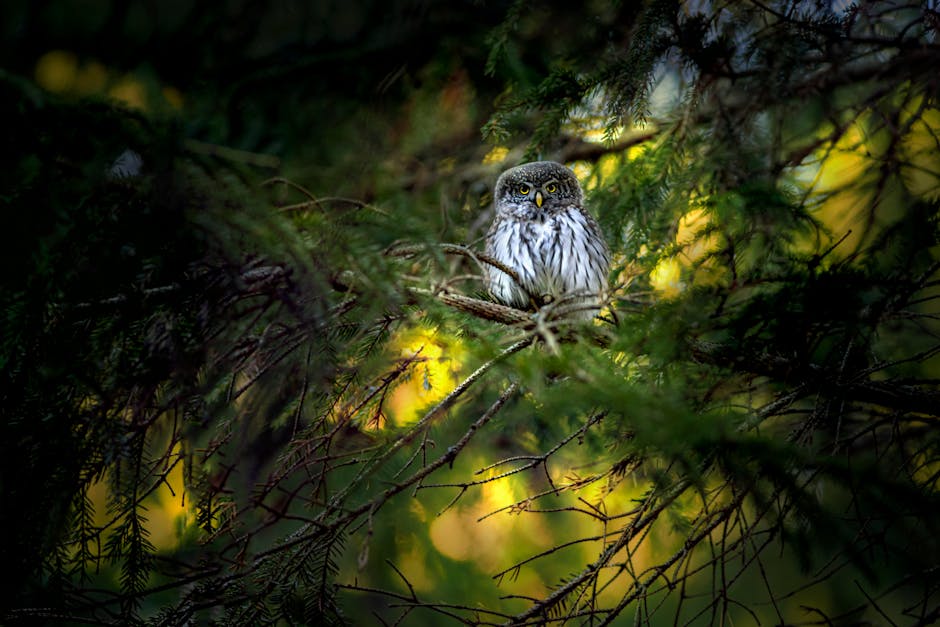
Flammulated owls, with their small size and bark-like plumage, can be tough to spot. These nocturnal birds are insectivores, feeding primarily on moths and beetles. Prime locations for spotting Flammulated Owls include the San Juan National Forest and the Rocky Mountain National Park.
Pro tip ☝️: For best results, venture out on calm, cloudless nights to spot these elusive creatures.
Despite their similarities in size and habits, the Flammulated Owl has a distinct trill-like call, unlike other small owl species, making it a unique phenomenon to experience.
With this knowledge at your disposal, you are now ready to delve deeper into the vibrant bird life of Colorado. So pick up
Key Takeaway:
- Colorado’s diverse habitats support a rich avian biodiversity with over 400 bird species.
- Birdwatching best practices in Colorado include capturing sightings during peak activity times at dawn and dusk and choosing locations that offer varied environments.
- The American Dipper and Lark Bunting are among the state’s emblematic birds, known for their distinctive behaviors and migration patterns.
- Species like the Pinyon Jay, White-Tailed Ptarmigan, and Black Rosy-Finch offer unique birdwatching experiences due to their unique adaptations.
- Mountain Bluebirds, Evening Grosbeaks, and owls like the Burrowing and Flammulated offer exciting opportunities for bird enthusiasts to observe distinct behaviors and striking appearances.
Carrying this knowledge, every bird enthusiast will enrich their observation experiences in Colorado. Bring patience, curiosity, and respect for these spectacular creatures and their habitats, and every birdwatching expedition will become a memorable adventure.
FAQs
Q: Can beginner bird enthusiasts easily spot the highlighted Colorado birds?
A: Yes, with patience and attention to detail, beginners can spot many of these birds. Some may require specific times or locations, but the article’s tips should help guide your birdwatching endeavors.
Q: What’s the best season for birdwatching in Colorado?
A: Birdwatching in Colorado can be enjoyable year-round. However, spring and summer often provide a multitude of bird sightings due to migration and breeding patterns.
Q: Are all these birds safe to approach?
A: While these birds pose minimal danger to humans, it’s always advisable to maintain a respectable distance to respect their natural behaviors and habitats, ensuring they feel safe.
Q: Can I feed these birds during spotting?
A: Birds generally should be left to find their own natural foods. Feeding wild birds can sometimes disrupt their normal diet and behavior.
Q: Can children participate in birdwatching in Colorado?
A: Absolutely! Birdwatching can be an excellent educational and enjoyable activity for children. Make sure to teach them about respecting wildlife and maintaining quiet and calm in birdwatching areas.
Please share this article if you found it useful and feel free to explore more posts on our website for further insights into birdwatching and treasure troves of other fascinating knowledge.