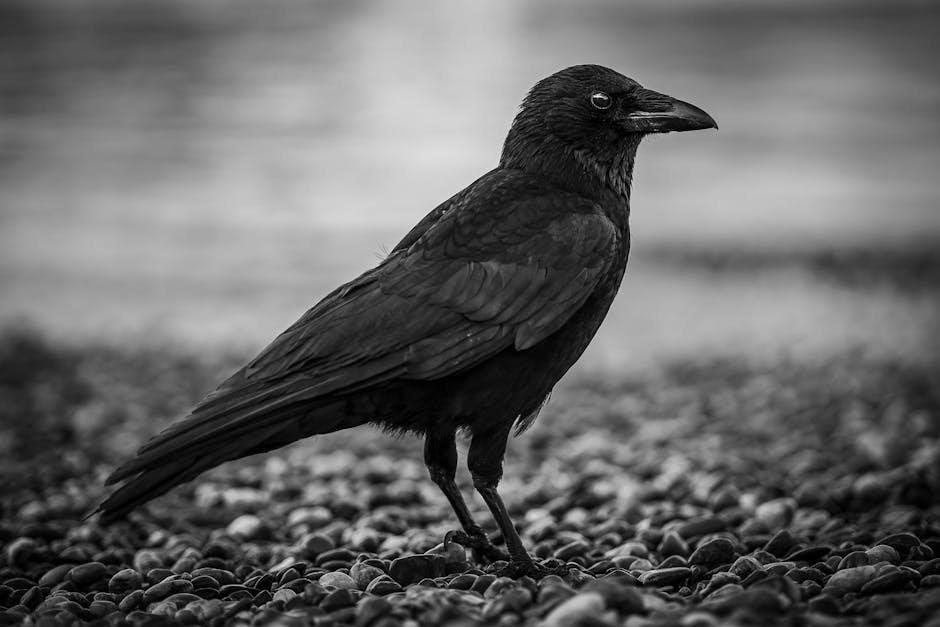
Raven, a bird steeped in mystery and fascination, makes an unusual yet rewarding pet. Here are some compelling reasons why you might want to consider owning a raven.
The Intelligence of Ravens
Birds of the crow family, including ravens, are well-known for their intelligence. Ravens, in particular, are among the most intelligent creatures in the animal kingdom, comparable to dolphins and apes. They exhibit problem-solving skills that baffle researchers, demonstrating their ability to use tools to reach food or escape confined spaces.
Ravens also have an astonishing capacity to remember and learn from past experiences. Studies have proven that these birds remember human faces associated with bad experiences, implying a greater level of cognitive function than most birds.
Pro tip: Observe your raven solving complex problems by providing them with mentally stimulating toys and tasks.
Ravens as Companions
Besides being intelligent, ravens are also sociable and friendly. They are capable of forming strong bonds with their human companions, much more than ordinary pets. Ravens have been reported to mimic human speech and respond to their names, potentially heightening the level of interaction with their owners.
Best Practice: To forge a strong bond with your raven, ensure to spend quality interactive time every day.
Interestingly, ravens have a significantly long lifespan, up to 30 years or more in some cases. A raven can potentially be with you for a large chunk of your life, making it a lifelong companion.
The Beauty and Symbolism of Ravens
Ravens are strikingly beautiful creatures, with their inky black feathers and piercing eyes that evoke a sense of awe and fascination. Asides from their physical beauty, ravens hold a special place in various cultural and spiritual narratives. They are symbols of thought, memory, and creativity in several cultures around the globe.
Pro tip: A raven can be more than a pet. This creature is a perfect fit for individuals who appreciate aesthetic beauty and spiritual symbolism.
Different cultures perceive ravens in unique ways. For instance, in Norse mythology, ravens are associated with the god Odin and depicted as keepers of knowledge and wisdom. In Native American folklore, they are revered as tricksters and shape-shifters. These diverse perspectives make owning a raven all the more intriguing.
Ravens as Pets: A Challenge or an Adventure
Owning a raven is not without its challenges. They require mental stimulation given their high intelligence, and enough space to emulate their natural habitats. They are not passive pets, and thus necessitate active owners who can keep up with their energy and curiosity.
Yet, it’s this very challenge that becomes part of the adventure of owning a raven. The learning curve is steep, but it’s immensely rewarding. You continuously learn, adapt, and grow along with your raven, leading to a mutually enriching experience.
Checklist: Before embarking on this journey, ensure you’re equipped with a spacious cage for your raven, mentally stimulating toys, a nutritious diet suitable for ravens, and an ample understanding of how to care for them.
| Ravens | Common Pet Birds (e.g., Parrots) | |
|---|---|---|
| Intelligence | Extremely high | High |
| Socialisation | Strong bonds with owners | Can be sociable but less human interaction |
| Space | Large space needed | Smaller space suffices |
| Lifespan | Can live up to 30 years | Varies by species |
| Challenge Level | High | Moderate |
The Environmental Impact of Raising Ravens
Raising ravens can positively impact the environment. Being scavengers, they help control pests in your local ecosystem. They play a crucial role in maintaining a balanced eco-system by removing dead animals and unwanted wastes.
Pro tip: To help ensure your raven contributes positively to the environment, maintain a healthy diet that is in line with their scavenger nature.
However, it’s essential to be aware of the regulations related to raising ravens as pets. In many places, keeping ravens as pets is heavily regulated to protect native populations. It’s crucial to understand these regulations, and ensure that if you do opt for domesticating a raven, it’s legally and responsibly obtained. Your love for ravens must not negatively impact their natural habitats or survival.
Key Takeaway:
- Ravens are among the most intelligent creatures whose cognitive abilities include problem-solving, using tools, learning from past experiences and remembering them.
- They are sociable animals that form strong bonds with their owners, mimic human speech and can live up to 30 years, making them lifelong companions.
- Ravens, apart from their physical beauty, symbolize thought, memory, and creativity in different cultures.
- Keeping ravens as pets comes with challenges such as providing the amount of stimulation they need but can be an engaging and learning experience for the owners.
- Raising ravens can positively impact the environment, including helping with pest control. It’s crucial to keep them legally and responsibly.
Don’t let the challenges of keeping a raven as a pet deter you. Embrace it as an adventure that will reward you with an intelligent and loyal companion. Ensure you’re well-prepared with their needs and enjoy this exciting journey of companionship.
FAQs
Q: What kind of diet should I provide my pet raven?
A: Just like in the wild, your pet raven will require a varied diet. This should include grains, fruits, vegetables, and a small amount of animal protein such as cooked meat or eggs. Always research and consult with avian veterinarians.
Q: Are ravens destructive as pets?
A: Ravens, given their intelligence and curiosity, can sometimes resort to destructive behaviors if they’re bored or not stimulated enough. This underlines the importance of providing them with engaging toys and enough space.
Q: How do I legally obtain a raven as a pet?
A: The regulations on owning a raven as a pet vary by location. It is advisable to check with your local government or wildlife agencies for obtaining a raven legally.
Q: Can ravens be trained?
A: Yes, Ravens can be trained due to their intelligent nature. They can learn to mimic human speech and respond to their names.
Q: Do ravens fare well with other pets?
A: Given their intelligence and sociability, ravens can get along well with other pets if introduced gradually and under supervision. However, they are best suited with someone who can dedicate proper time and attention to them.
Feel free to share this article with others who might find it helpful. Explore more articles on our site to learn about fascinating pet possibilities!