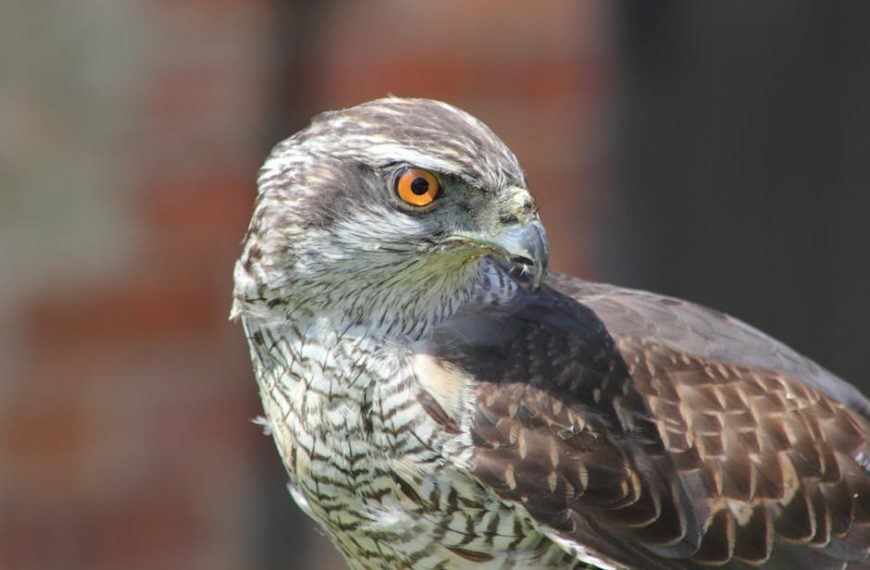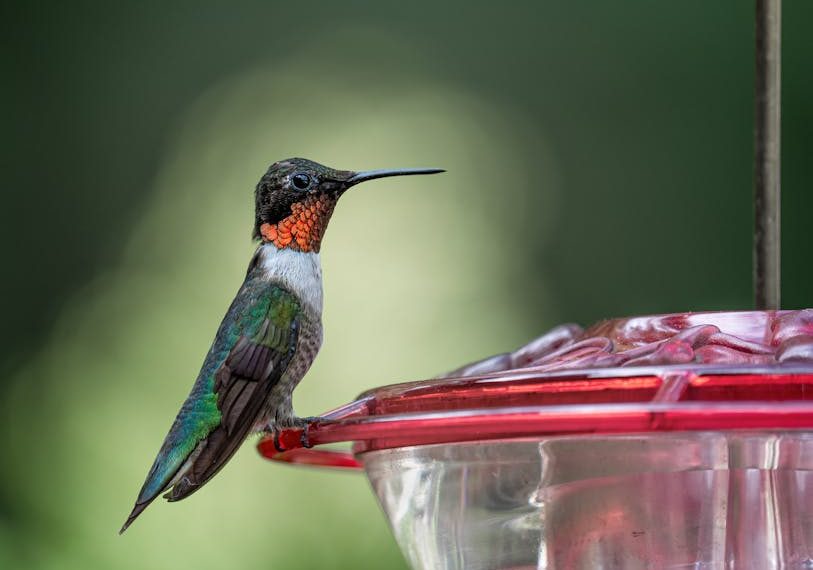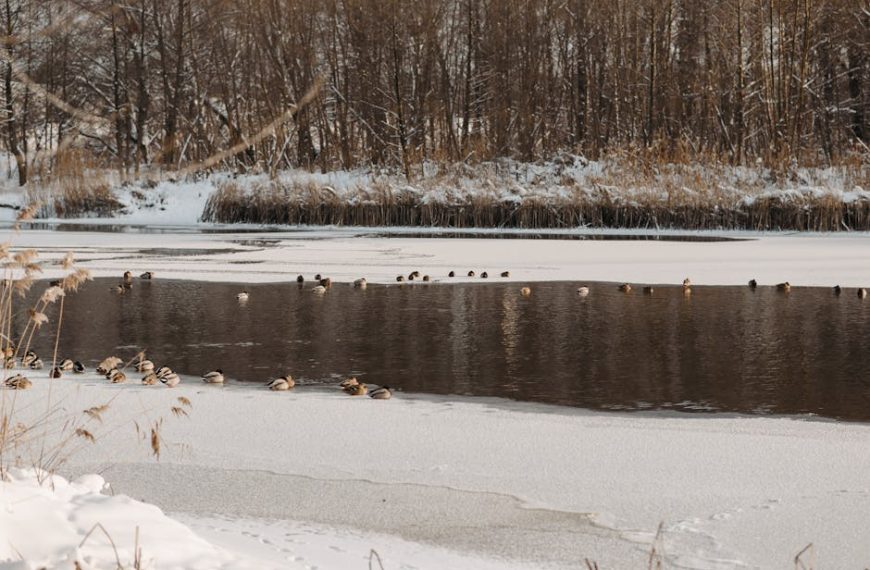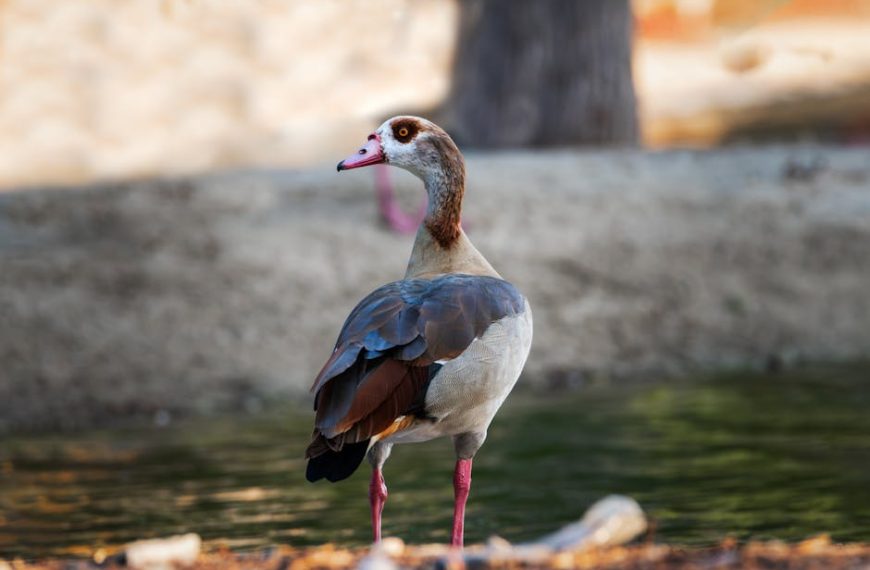
Birds: A wonder of nature remarkable for their diversity in size, shape, color, and behavior, continually challenging and enriching our understanding of the animal kingdom. The bird species that color our skies number in the tens of thousands, each unique in its way. For bird-enthusiasts and nature lovers, it’s a captivating realm full of endless fascination!
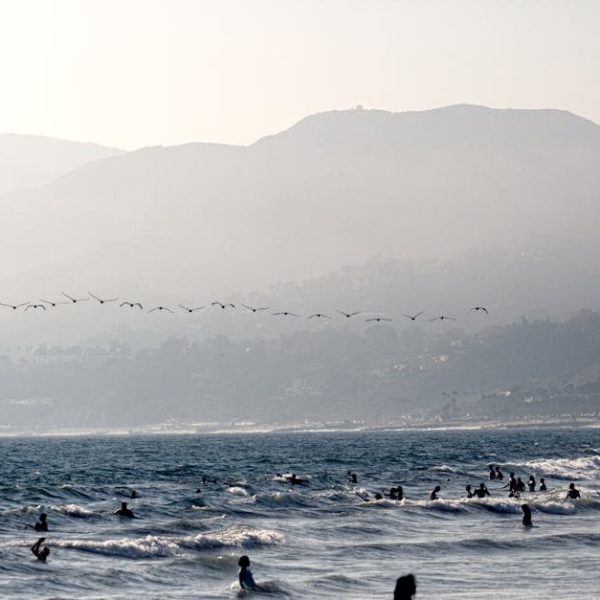
Recognizing the incredible radiant colors of peacocks, observing the spectacular formations of migratory birds, or simply listening to the dawn chorus; our avian companions bring us joy in countless ways. These feathered creatures are integral to our environment, serving crucial roles such as pollinating plants, dispersing seeds, and controlling pests. Thus, understanding and appreciating these species is vital for the preservation of biodiversity and ecological balance.
Crack open the aviary world with these fascinating facts:
When observing and interacting with birds, please remember:
Decoding Bird Field Marks
As bird enthusiasts, you may find that bird identification can sometimes feel like solving a complex jigsaw puzzle. Just as every puzzle piece contributes to the overall picture, different field marks are crucial to accurately identify birds. Field marks are the distinctive features and unique characteristics that help you recognize a bird species; they include color patterns, size, shape, behavior, and even their voices.
Consider this essential checklist of bird field marks for your next birdwatching session:
We’ve got some pro tips for using field marks effectively:
The beauty of birdwatching lies in the challenge of identification and the thrill of spotting a new species. Just remember, patience is key! The birds aren’t going anywhere, and neither is your journey of understanding them.
Unveiling the Top Ten Bird Species
For the love of birds and their astonishing diversity, we have selected a mix of species that will ignite your passion for avifauna even more. Each of the bird species we have chosen, boasts unique features, distinct behaviors, and fascinating habitats that contribute to their special allure for bird enthusiasts around the globe.
Let’s unravel the avian magic with these ten incredible bird species:
To better appreciate the intricacies of these species, here’s how they stand in comparison:
| Species | Unique Feature | Geographical Distribution |
|---|---|---|
| Peregrine Falcon | Fastest bird, reaching speeds over 240 mph during its hunting stoop | Cosmopolitan distribution, found worldwide except for extreme polar zones |
| Atlantic Puffin | Distinct colorful bill and ability to catch multiple fish at once | Circumpolar, breeds on coasts and islands of the North Atlantic |
Crafting a Successful Birdwatching Practice
Birdwatching is an art that requires patience, calmness, and a keen eye. It could be as simple as noticing a robin singing on a branch or as thrilling as spotting a rare bird species during a birding excursion. Essential tools for this nature-loving hobby include binoculars for closer observation, a field guide for identifying bird species, and a notepad for jotting down details of your sightings.
Here’s a handy checklist for a fruitful birdwatching experience:
Use these best practices while bird watching to hone your bird identification skills:
Giving Back to the Bird Community
Bird enthusiasts play a significant role in the conservation and preservation of birds through their activities. As birdwatchers, you can contribute by recording sightings, participating in bird counts, volunteering for habitat restoration projects, and supporting conservation organizations.
Pro Tips for bird community contributions:
Consider both local and global organizations for your conservation efforts:
Contributing to bird conservation, whether through information reporting or supportive action, fosters a sense of community among bird lovers while playing an active role in preserving the diverse species of our feathery friends. Your efforts, no matter how small, can make a world of difference.
Key Takeaway:
- Each bird species showcases a unique blend of features, behaviors, and habitats, amplifying the interest of bird lovers.
- Observing birds without intrusion and understanding their role in the ecosystem are significant steps towards their conservation.
- Thorough knowledge of field marks is essential for accurate bird identification.
- Birdwatching not only nurtures enthusiasm but aids in bird conservation activities through data sharing and participation in bird counts.
- The contribution of bird enthusiasts plays a pivotal role in protecting and preserving bird species.
The captivating world of birds offers endless fascination and knowledge. But remember, it’s not just about identifying and watching them; being a bird lover also entails understanding their role in our ecosystems and helping to conserve them. Interact respectfully and invest in their preservation. Much joy and learning lie in the journey of bird appreciation, so let’s spread our wings, and dive deeper into the astonishing world of these feathered creatures.
FAQs
Q: What can I do to support local bird conservation efforts?
A: You can join local birdwatching clubs that take part in bird conservation initiatives, participate in bird counts, and help birds by preserving their habitats in your area.
Q: Is feeding birds in my backyard advisable?
A: It’s best to avoid feeding birds human foods as they may be unhealthy for them. Instead, consider planting native species that attract birds or use certified bird feeders.
Q: How can I enhance my bird identifying skills?
A: Practice is key. Spend more time observing birds, take notes, and refer to a reliable bird field guide. Also, learning about field marks and recognizing birds by their calls can significantly improve your skills.
Q: Why should I share my bird observations or sightings data?
A: Sharing observations helps researchers and conservation societies track bird populations, which is crucial for protecting and preserving different bird species.
Q: What is the best time for birdwatching?
A: Early morning generally offers the best birding experience as birds are most active then.
Please feel free to share this blog post with your fellow bird lovers and explore more engaging topics on our website.