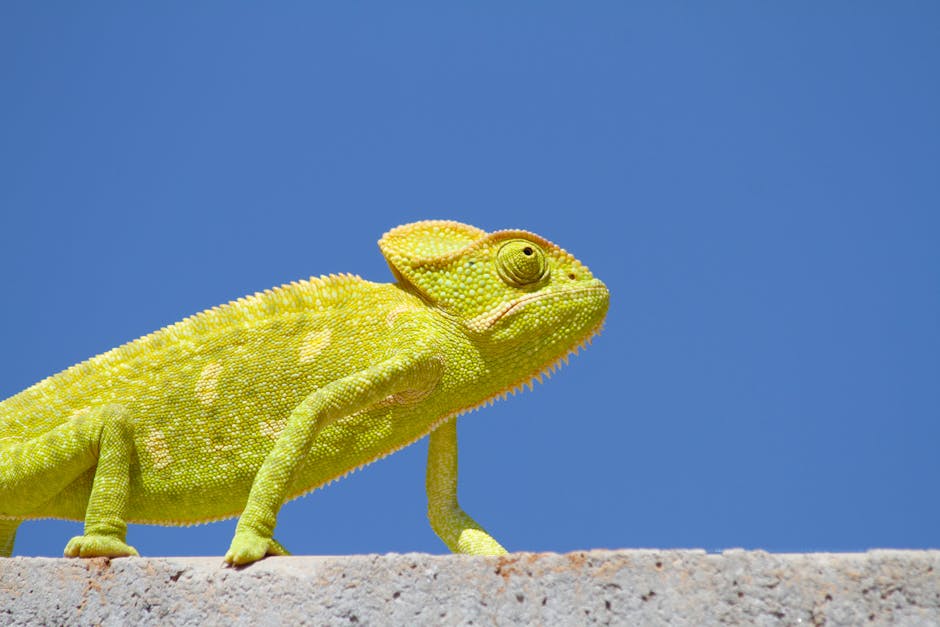
Imagine a world abundant with reptile life in its boundless diversity of shapes, colors, and adaptations – that’s Arizona. The state is a playground for nature enthusiasts, especially those fascinated with lizards. From the venomous Gila monsters to zebra-tailed wizards of camouflage, each of these species offers a captivating insight into the resilience of nature in the Arizona landscapes. Let’s embark on this fascinating journey to meet the top five coolest lizards in Arizona, discussing their unique features, behavior, and the best ways to observe them in their natural habitats safely.
The Mystical Gila Monster
The Gila Monster is undoubtedly one of the showstoppers when it comes to Arizona’s lizard species. Known for its strikingly vibrant skin marked with intricate patterns, this venomous creature also boasts the title of being one of only two venomous lizards worldwide. Primarily nocturnal, Gila monsters take shelter in burrows and rock shelters during the day.
To safely observe a Gila monster:
- Avoid approaching it directly as they can deliver a painful bite.
- Use binoculars for safe distance viewing.
- During the warmer months of April and May, hikes done at dusk or dawn can increase your chances of spotting one.
The Elusive Arizona Alligator Lizard
The Arizona Alligator Lizard is a neat package of interesting features. Resembling a miniature alligator with its long, slender body and rough, Keeled scales, it is a fascinating sight. These creatures are quite secretive and prefer cooler, moist environments.
Here are some fun facts about this cool creature:
- They can detach their tails when threatened, which continues to wriggle and distract predators.
- During hibernation, these lizards move to rock piles or logs where the average temperature is closer to their preferred cool range.
The experience of spotting an Arizona Alligator Lizard in the wild is indeed thrilling, mainly because of their elusive nature. Yet, their diminished visibility makes encounters with them rare and more exceptional.
The Remarkable Desert Horned Lizard
The Desert Horned Lizard could easily win an award for most unusual. Their flat, wide bodies and camouflage allow them to blend seamlessly with the desert sand. Equipped with a unique defense mechanism, they can shoot blood from their eyes when threatened.
A comparison between Desert Horned Lizard and other lizard species:
| Desert Horned Lizard | Other Lizards |
|---|---|
| Flat, wide bodies that aid in camouflage | Varies significantly from species to species |
| Shoots blood from eyes as a defense mechanism | Defense mechanisms vary, but none use this unique tactic |
Here’s a quick checklist when spotting these incredible lizards:
- Check for the presence of two dark lines, or horns, on the back of their necks.
- Unlike many other desert species, these lizards are primarily active during the day.
- Look out for their unique fringed scales, another vital identifying feature.
This fascinating overview, albeit brief, provides a glimpse into just how incredible these lizard species are in Arizona. They each have their unique charm that compels both locals and tourists, seasoned naturalists or novice explorers.
The Eye-catching Regal Horned Lizard
In contrast to its less colorful desert counterpart, the Regal Horned Lizard stands out with its high-contrast pattern. Its flat body is marked by a combination of two predominant colorways – cream and dark brown or black. Being diurnal creatures, they’re best spotted during morning or evening hikes.
Pro Tips for visiting Arizona
Fascinated about the Regal Horned Lizard? Consider planning your visit during late-spring and mid-summer – this is when they are most active. Meanwhile, they are most likely to bask out in the open during the cooler hours: early morning or late evening.
To observe these creatures without harming them or their environment, follow the Leave No Trace principles. Do not touch, feed, or try to move the lizard. Just enjoy their presence from a safe distance.
The Speedy Zebra-tailed Lizard
Zebra-tailed Lizards are an exuberant display of survival skills and agility. Adorned with alternating dark and light bands on their tails, which they wave high when threatened, they are aptly named. Notably, they are known for their incredible burst of speed as they dart to safety from predators.
Comparing the Zebra-tailed Lizard with other lizards species in Arizona:
| Feature | Zebra-tailed Lizard | Other Lizard Species |
|---|---|---|
| Tail | Alternating bands, waved high when threatened | Varies greatly across species |
| Speed | Very fast, darts to safety | Varies among species, some are slower movers |
Here is a handy list of regions within Arizona where the Zebra-tailed Lizard is typically found.
- Southwestern desert regions with open, sandy areas
- Areas with scattered vegetation like creosote bushes and bursages
Unveiling the Enigma of Arizona’s Lizards
Suffice to say, each of these five lizards stands out as a testament to nature’s ingenuity and the staggering biodiversity of Arizona’s landscapes. When exploring the region, don’t forget:
- Always observe respectfully and maintain a safe and reasonable distance.
- Avoid disrupting them or their environment. Never touch or attempt to capture them.
- Make sure to have your camera ready – these fast and elusive creatures can make for a delightful surprise and an unforgettable photo!
With this comprehensive guide, you’re now ready to spot these remarkable creatures and appreciate their beauty and ingenuity. Here’s to a memorable lizard-seeking adventure in the wild terrain of Arizona!
Key Takeaway:
- Arizona is rich in lizard biodiversity, housing unique and fascinating species like the venomous Gila Monster, the elusive Arizona Alligator Lizard, the unusual Desert Horned Lizard, the colorful Regal Horned Lizard, and the agile Zebra-tailed Lizard.
- Each lizard species possesses distinctive physical characteristics, behaviors, and adaptations, contributing to the incredible diversity of the Arizona landscapes.
- Ethical observing practices, including respectful distance and non-disruption of their habitat, should be maintained for a safe and enjoyable wildlife encounter.
Arizona’s unique lizard species offer a fascinating snapshot of the richness and resilience of nature. As you embark on an exciting wildlife adventure, remember to observe these amazing creatures responsibly, respecting their habitats and well-being. And who knows, you might just capture an unforgettable memory on camera!
FAQs
Q: What is the most famous lizard in Arizona?
A: The Gila Monster, known for its vibrant skin and venomous bite, is perhaps the most recognized lizard in Arizona due to its distinctive appearance and being one of only two venomous lizards worldwide.
Q: How can I increase my chances of spotting a Gila Monster in the wilderness?
A: Hiking around dusk or dawn during the warmer months of April and May can enhance your likelihood of spotting a Gila Monster.
Q: Are Desert Horned Lizards dangerous?
A: While Desert Horned Lizards can shoot blood from their eyes as a defensive mechanism when threatened, they are generally not dangerous to humans. It’s nonetheless essential to observe them from a safe distance.
Q: Where is the best location in Arizona to find Zebra-tailed Lizards?
A: Zebra-tailed Lizards are commonly found in southwestern desert regions of Arizona with open, sandy areas and scattered vegetation like creosote bushes and bursages.
Q: What should I do if I encounter a lizard in the Arizona wilderness?
A: Maintain a respectable distance, do not touch or attempt to move the lizard, and avoid disrupting its environment. Ensure to follow ethical wildlife observing practices to promote the well-being of these fascinating creatures.
Feel free to share this article with other fellow nature enthusiasts and continue exploring our posts to dive deeper into the fascinating world of wildlife.