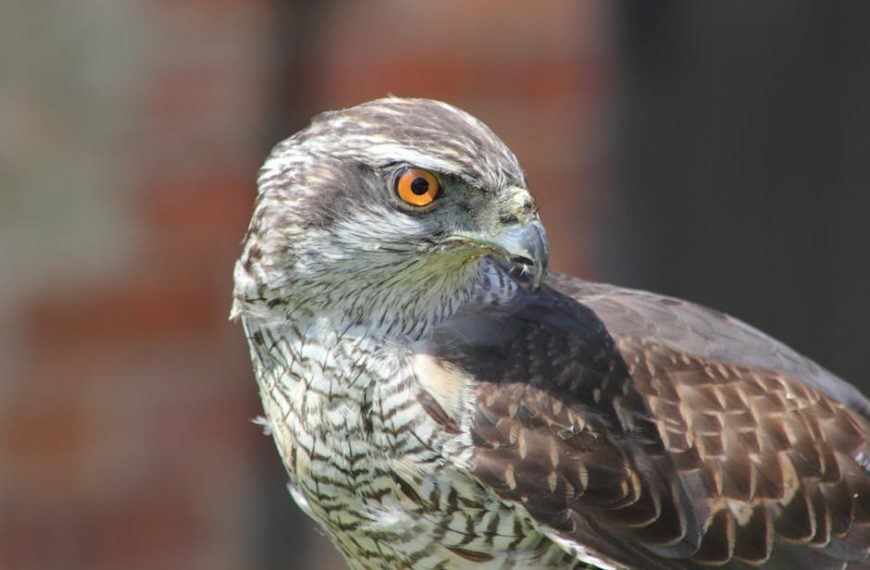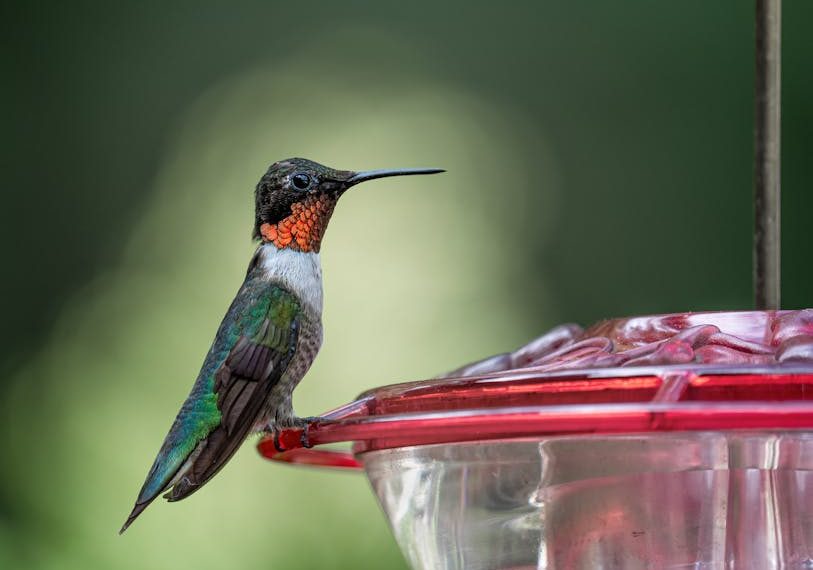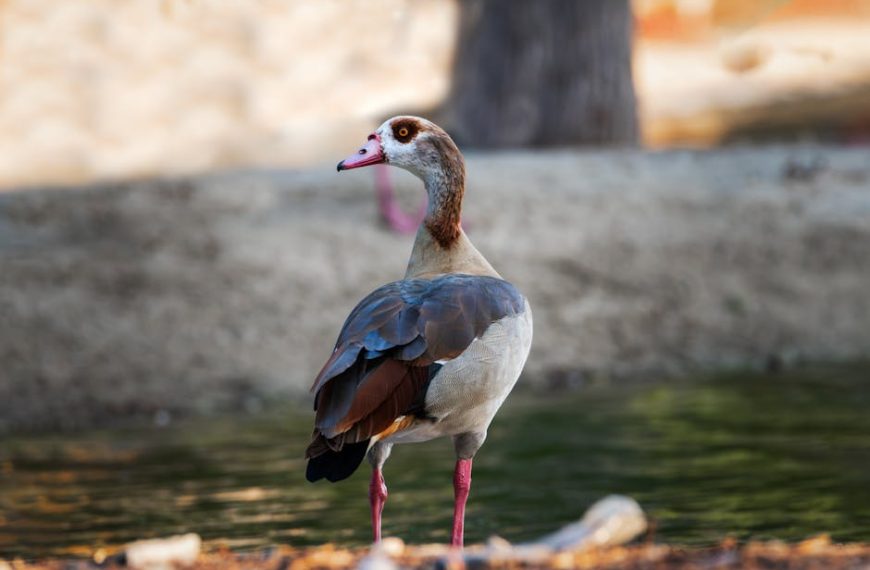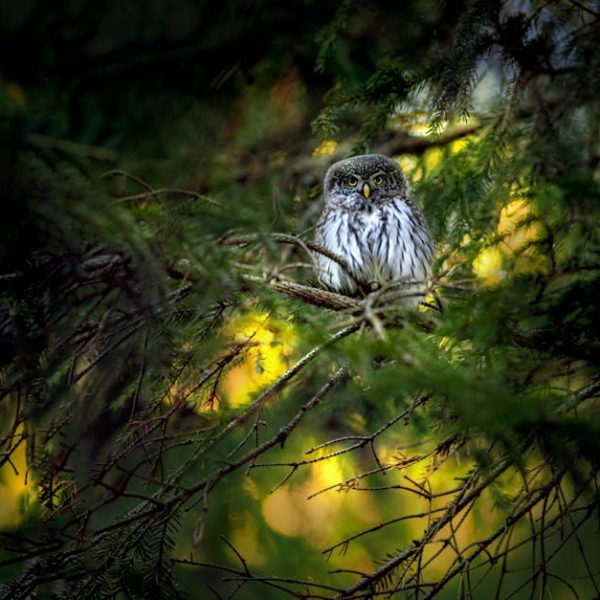
Night birdwatching is not just about spotting different species of birds. It’s an activity that molds patience, sharpens listening skills, creates a unique bond with nature, and uncovers the nocturnal secrets of the aviary world. Many birds, such as the mystical owls, elusive nightjars, and melodious whippoorwills, switch on their lively behavior when the sun goes down. These nocturnal species exhibit remarkable traits and behaviors that are normally absent during the daytime, making night birdwatching an intriguing and memorable experience.
However, observing and appreciating these night creatures does come with a responsibility towards their preservation. As a passionate birdwatcher, it’s pivotal to respect their habitat and privacy. Refrain from using bright lights or flashing cameras, maintain a safe distance, and ensure your actions don’t disrupt their natural behavior. Remember, we are the guests in their nocturnal realm.
Understanding the Basics of Night Birdwatching
First off, let’s start with your night birdwatching toolkit. It should primarily include a sturdy pair of binoculars, preferably with a good light-gathering capacity. A flashlight, preferably equipped with a red lens, helps you navigate without disturbing the birds. A detailed field guide is indispensable as it assists you in identifying different species and their behavior. Lastly, gear up with some warm clothing, as the nights can get a tad too chilly for comfort.
To sum up, here’s your basic night birdwatching toolkit:
- Binoculars
- Red-lens flashlight
- Field guide
- Warm clothing
Pro-tip: Be sure to choose binoculars with higher lens diameter and magnification, as they’ll help you in low-light conditions. Opt for a red flashlight to minimize disturbances to bird activities. Your field guide should be extensive and easy to understand, while your clothing should be thermally efficient, comfortable, and perhaps in dark shades to blend in.
Mastering the Basics of Bird Identification at Night
Identifying birds through plumage and color may be straightforward during the day, but night birdwatching calls for a completely new set of skills. Pictures won’t be as clear, and visibility murky. This is where the night birdwatcher has to rely more on non-visual elements — such as unique sounds, flight silhouettes, and habitat characteristics — to identify different species.
Comparing Daytime and Nighttime Bird Identification
Daytime:
- Clear vision
- Colorful plumage
- Behavioral observation
Nighttime:
- Limited vision
- Auditory cues
- Flight silhouettes
Night birdwatching definitely has its own set of challenges, primarily due to limited visibility. However, it also enhances your auditory skills, provides a different perspective of the bird’s life, and adds an element of mystery and intrigue.
Preparing for the Night Birdwatching Trip
Night birdwatching requires meticulous planning and preparation. A major part of that involves selecting an ideal location. Look for spots recognized for their bird diversity, and avoid overcrowded places to minimize disturbances. Understanding moon phases is another crucial aspect, as a fuller moon can lead to increased bird activity and better visibility for you. Always check the weather forecast and dress appropriately. Carry a first aid kit, pack some light snacks, and stay hydrated.
Here’s your quick checklist:
- Ideal location
- Understand moon phases
- Weather forecast
- First aid kit
- Sufficient food and hydration
Stepping Up Your Night Birdwatching with Advanced Techniques
There’s always room to improve, even in birdwatching. You can spot more species and observe unique behaviors by incorporating advanced techniques. These can range from studying bird languages, moon-watching (observing bird activities in different moon phases), and mastering habitat-based identification.
Here’s a brief introduction to the advanced techniques you can explore:
- Bird language: Learn and identify different bird calls and songs.
- Moon-watching: Understand bird behavior changes during various moon phases.
- Habitat-based identification: Identify birds based on their chosen habitat.
With these tips and techniques, you have everything you need to kickstart your night birdwatching journey. The rest is up to you: your patience, your keen eye, and your love for our feathered friends singing in the moonlight. After all, it’s not just the birds you’re after, it’s the whole magical nocturnal experience unfolding in their world. Happy birdwatching!
Top Tips for an Unforgettable Night Birdwatching Experience
Understanding the Basics of Night Birdwatching
Night birdwatching or nocturnal birding can offer unique experiences that can’t be matched by the daytime counterpart. When the sunlight fades away, many birds like owls, nightjars, and whippoorwills come alive. They display behaviors that are unseen in the daytime, making the entire experience nothing short of memorable.
Common nocturnal birds to look out for include:
- Owls
- Nightjars
- Whippoorwills
Just remember, while it is fascinating to watch these night creatures, it is critical to respect them and their habitats. Ensure you don’t invade their space or disrupt their natural activities—these birds already face numerous threats from habitat loss and climate change.
Necessary Equipment for Night Birdwatching
A good night birdwatching trip is supported by the right gear. This includes a sturdy pair of binoculars for spotting the birds, flashlights with a red lens to not startle the birds, field guides to identify different species, and warm clothing to keep you comfortable.
Your essential night birdwatching equipment checklist:
- Binoculars
- Red lens flashlight
- Field guides
- Warm clothing
Pro Tip:
Choosing binoculars with a greater light gathering capacity will support you in dim light settings. Red flashlights minimize the disturbance and effect on the bird’s behavior. Ensure your field guide is updated and comprehensive, and dress warm—nighttime can get chilly!
Mastering the Basics of Bird Identification at Night
Spotting and identifying birds at night is dramatically different from how it’s done during the day. Due to the reduced visibility, it’s essential to rely more on the avian’s silhouette, sounds, behaviors, and habitat.
Daytime Vs. Nighttime bird identification:
| Daytime Birdwatching | Nighttime Birdwatching | |
|---|---|---|
| Visibility | High | Low |
| Identification by | Color and plumage | Silhouettes and sounds |
| Challenges | May need to track fast movements | Hard to spot the birds |
Though identifying nocturnal birds can be challenging, it certainly adds to the joy when you finally spot one. Further enhancing your auditory skills, it gives you a fresh perspective towards birdwatching.
Preparing for the Night Birdwatching Trip
Preparation is as essential for a night birdwatching trip as the trip itself. Start by choosing your birdwatching location wisely. Consider the moon phases while planning since bird activity tends to increase during the full moon. Check the local weather forecast and dress accordingly. Stay safe by carrying a first aid kit.
Your preparation checklist:
- Site selection
- Learning moon phases
- Weather forecast
- Dressing right
- Safety measures
Stepping Up Your Night Birdwatching with Advanced Techniques
Looking to enhance your nocturnal birding experience? Consider these advanced techniques: moon-watching, understanding bird language, and matching birds to their habitats.
Advanced techniques summary:
- Moon-watching: Observe the change in bird activity according to the moon phases.
- Bird language: Decode and understand different bird calls and songs.
- Habitat identification: Spotting birds based on their preferred habitats.
Pro Tip:
Understanding and applying these advanced techniques will offer you a richer night birdwatching experience. It allows you to observe the changes in bird behavior, ultimately increasing your bird spotting success rates significantly.
There you go—all set for an unforgettable night of birdwatching. Remember, patience is key when birdwatching. You might need to wait for hours before you can spot anything. But when you spot a silhouette or hear an unexpected call, you’ll know it’s all worth it. The most important part is to enjoy the calm of the night and the melody of the avian world. Happy birdwatching!
Key Takeaway:
- Night birdwatching offers a unique experience by allowing observes to witness the remarkable behaviors of nocturnal birds that are generally unseen during daytime.
- The necessary equipment for successful night birdwatching includes high light-gathering binoculars, red flashlights, comprehensive field guides, and warm clothes.
- Bird identification at night is largely based on silhouettes, sounds, behaviors, and habitats rather than visual cues.
- Proper preparation, including a right site selection, understanding of moon phases, weather check, adequate clothing, and safety measures are essential to an effective night birdwatching experience.
- Advanced techniques, such as moon-watching, bird language interpretation, and habitat identification, can greatly enhance the birdwatching experience.
Embrace the beauty of the unknown as you step into the nocturnal realm of birds. Remember, patience and respect for nature can lead to magical birdwatching experiences. Let the tunes of the night serenade you as you connect deeper with the wild side of life!
FAQs
Q: How can we identify birds at night if we can’t see their color?
A: During night birdwatching, identification is more reliant on auditory cues and silhouettes. Familiarize yourself with the unique calls and songs of different species, and note their distinctive flight patterns.
Q: Why is a red flashlight recommended for night birdwatching?
A: Red flashlights are preferred as they are less disturbing to birds. Blues and whites can startle or temporarily blind them, significantly affecting their behavior.
Q: How does understanding the moon phase help in birdwatching?
A: The moon phase matters as bird activity tends to increase during a fuller moon. Moreover, it offers better visibility for birdwatchers.
Q: Which is the ideal location for night birdwatching?
A: Any quiet location with diverse birdlife can be ideal. National parks and nature reserves are often good choices. Avoid crowded areas that may disturb the birds.
Q: What should I do if I encounter a threatened or endangered species?
A: If you come across threatened species, observe them from a distance ensuring you don’t disrupt their activities. It’s vital to respect their habitats and ensure their preservation.
We hope you found this guide helpful. Feel free to share it with your fellow birdwatching enthusiasts and explore more articles on our website!