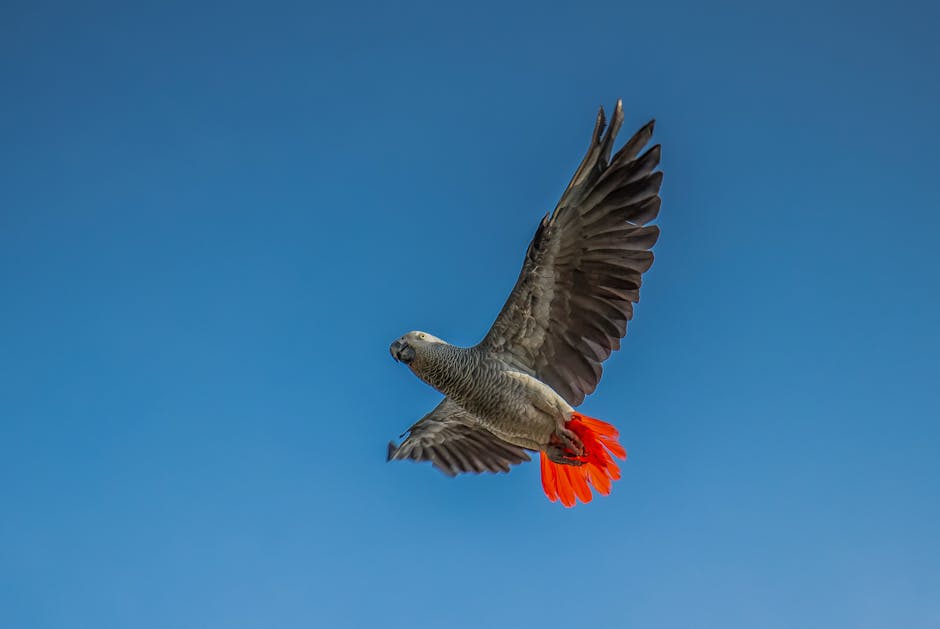
The world of African Grey Parrots – a magnificent bird species – is bursting with fascinating facts, particularly when it comes to their reproductive habits. Breeding African Greys and caring for their eggs is an intricate process that often harbors numerous misconceptions. This article aims to debunk those myths and bring truth to light regarding African Grey Parrot eggs, from breeding habits to egg health, fertility, and hatching.
The Breeding Age and Habits of African Grey Parrots
African Grey Parrots are sociable birds that form monogamous pairs for life. The breeding process generally commences when they mature at around 3-5 years old, although this age can fluctuate depending on their individual circumstances. Mating involves a complex courtship display filled with mutual preening, head bobbing, and changing feather positioning. Good health, a comfortable living environment, and a balanced diet all play a significant part in encouraging conducive breeding behaviors in these parrots.
African Grey Parrot breeding age and habits:
- Maturity occurs between 3-5 years of age.
- Pair bonding is usually for life.
- Courtship displays include mutual feeding, rhythmic movements, and distinct vocalization.
- Reproduction is influenced significantly by environmental conditions and comprehensive dietary needs.
To support safe breeding practices in captive African Grey Parrots:
- Provide a spacious and safe environment that imitates their natural habitat.
- Ensure they receive enough UV light, as this can affect their sexual behaviors.
- Provide a balanced, nutritional diet to promote reproductive health.
- It’s also crucial to offer a suitable nest box that respects their privacy and caters to their size.
The Incubation Period of African Grey Parrot Eggs
Following a successful mating process, female African Grey Parrots will lay between 1 and 5 eggs. The incubation period generally lasts about 28-30 days, with the female taking up the lion’s share of the incubation duties, while the male brings her food. Both parents participate in the care of their eggs, a process that, if disrupted, may cause them to abandon the nest.
Steps to ensure the correct incubation of the eggs by the pair include:
- Do not intrude or disturb the parrots during this sensitive time.
- If necessary, add a heat lamp to the breeding area to maintain a consistent ambient temperature.
- Be patient and allow nature to take its course.
In the upcoming sections, we’ll discuss other crucial aspects, such as nutrition, common myths, and the truth about African Grey Parrot’s egg hatching. Be with us to explore more about these extraordinary birds.
Nutrition and Feeding Habits for African Grey Parrot Egg Health
The nutritional needs of African Greys significantly increase during their breeding period to support egg production. A balanced diet rich in proteins, vitamins, and minerals is critical for laying healthy eggs. Fresh fruits, vegetables, pellets, and nuts are all excellent choices. Adding a calcium supplement to their diet is also essential as this nutrient majorly contributes to the eggshell formation.
Nutritional foods beneficial for African Grey Parrot egg health:
- Fresh fruits and vegetables, such as berries, apples, leafy greens, and carrots.
- A mix of grains and pulses for high-quality proteins.
- Additional calcium sources like cuttlebone or calcium blocks.
Pro Tips:
- Gradually introduce changes to their diet to avoid upset stomachs.
- Always provide clean, fresh water.
- Be cautious with high-fat foods; these should be provided sparingly to avoid obesity.
Common Myths about African Grey Parrot Eggs and Fertility
A common myth is that the color of African Grey Parrot eggs can indicate the gender of the chicks, propagating the false belief that darker-colored eggs result in male birds. The reality, however, is that egg color has no bearing on the sex of the chicks but merely reflects variations in the hen’s diet or environment when laying.
Criteria to identify healthy African Grey Parrot eggs include:
- A smooth, clean shell with no cracks or spots.
- A regular, oval shape.
- To be lightly colored, varying from white to a pale blue hue.
Enhancing the egg health and fertility of African Grey Parrots:
- Regular health checks at least twice a year.
- Maintain optimal housing conditions regarding temperature and humidity.
- Ensure a diet that includes all essential nutrients, especially proteins and calcium.
The Truth about African Grey Parrots Egg Hatching
African Grey Parrot’s egg hatching is an eagerly anticipated event that requires patience and understanding. The hatchling breaks the eggshell 2-3 days before emerging, a process known as ‘pipping’. Both parents participate in the initial feeding and care of the chick, demonstrating well-coordinated team effort.
Comparing natural hatching by the parents versus breeder intervention:
| Natural Hatching | Breeder Intervention | |
|---|---|---|
| Advantages | Less stressful for the chick; fosters closer parental bond. | Can potentially save a chick that gets stuck if done carefully. |
| Disadvantages | Risks egg abandonment if parents get disturbed. | High risk of injury to the chick or contaminated eggs. |
Pro Tips:
- Keep ambient conditions calm and stress-free during the hatching process.
- Limit cleaning routines and interventions near the incubation area.
- The first feed is crucial, ensure that both parents attend to their newborn chick, or prepare high-quality bird hand-feeding formula.
Caring for African Grey Parrots and their eggs can be incredibly rewarding, providing you adhere to tried-and-tested practices and ignore unhelpful myths. Understand their unique breeding behavior, nurture their egg health with appropriate nutrition, and handle the hatching process carefully for a successful African Grey Parrot breeding experience.
Key Takeaway:
- Maturity and readiness for breeding in African Grey Parrots occur between ages 3-5, influenced by good health, a balanced diet, and a comfortable living environment.
- The incubation period takes about 28-30 days, with both parents sharing the duties. Disturbances during this period may lead to nest abandonment.
- Proper nutrition, rich in proteins, vitamins, and minerals, supports the formation of healthy eggs.
- Egg color does not indicate the gender of the chicks; it’s a myth. A healthy egg has a smooth, clean shell, an oval shape, and an off-white color.
- The hatching process, known as ‘pipping,’ takes about 2-3 days, and both parents participate in the initial feeding and care of the chick.
Even though the process involving African Grey Parrot eggs can seem complex, with a solid understanding of their breeding habits, nutritional needs, and egg care, you can successfully navigate through it. Remember, respecting their natural breeding behaviors, providing appropriate nutrition, and creating a stress-free environment can significantly enhance your bird’s reproductive health.
FAQs
Q: How many eggs do African Grey Parrots typically lay in a clutch?
A: African Grey Parrots usually lay between 1 and 5 eggs per clutch, each one laid a couple of days apart.
Q: Can I handle African Grey Parrot eggs during the incubation period?
A: It’s best to avoid handling the eggs as much as possible to minimize the risk of causing stress to the parents or contaminating the eggs.
Q: What are the signs of a healthy African Grey Parrot egg?
A: A healthy egg usually has a smooth, clean shell, an oval shape, and can range in color from white to a pale blue.
Q: Should I assist the parent birds during the hatching process?
A: Generally, the parent parrots should be left to handle the hatching process naturally. Breeder assistance should only be provided if the chick seems to be stuck or in distress, as intervention carries risks.
Q: Can I tell the gender of an African Grey Parrot chick by the egg color?
A: No, the color of the egg does not indicate the gender of the chick. This is a common myth and has no basis in fact.
Embrace the joy of learning more about these amazing birds. If you found this information helpful, please feel free to share and peruse other articles on our website. We’re eager to guide you on your avian journey!