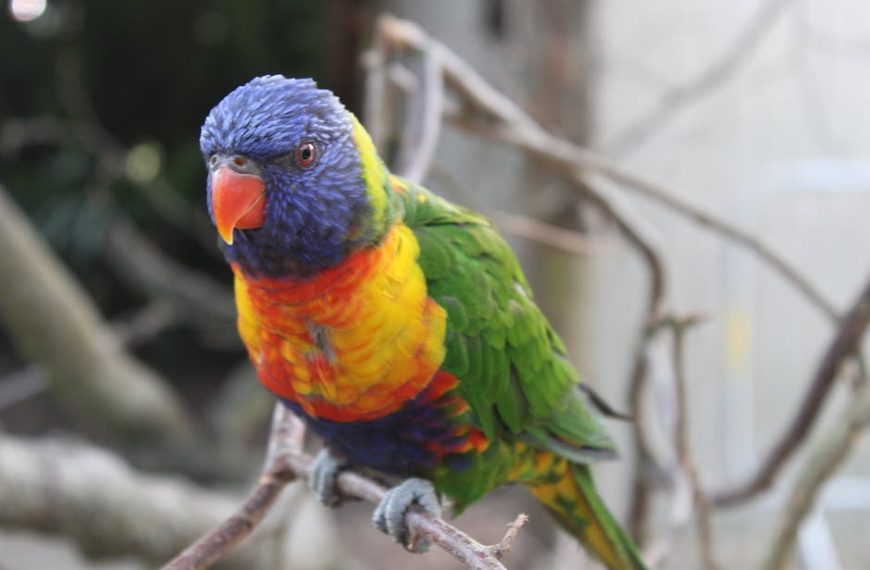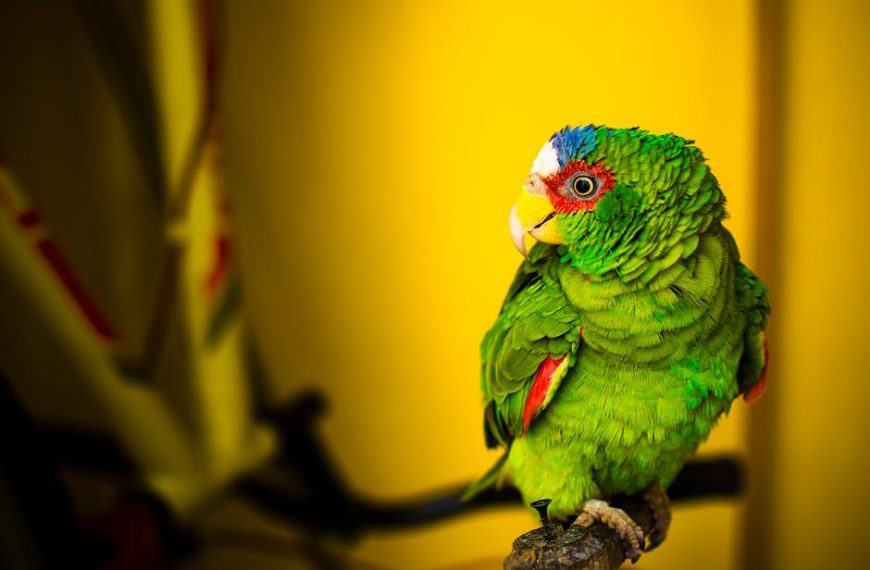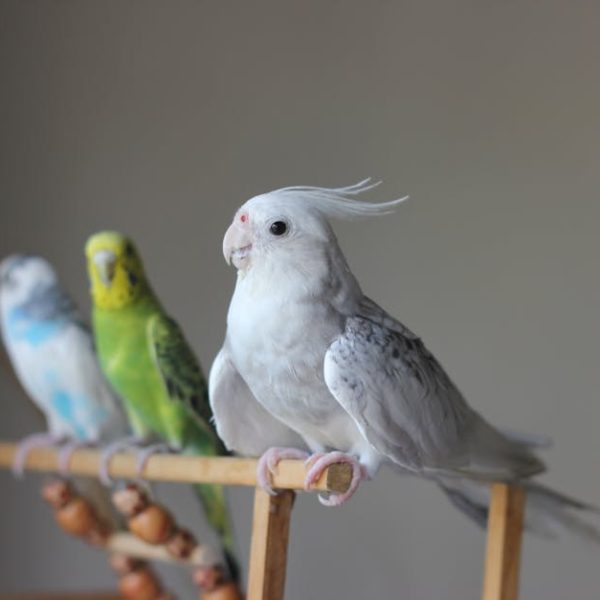
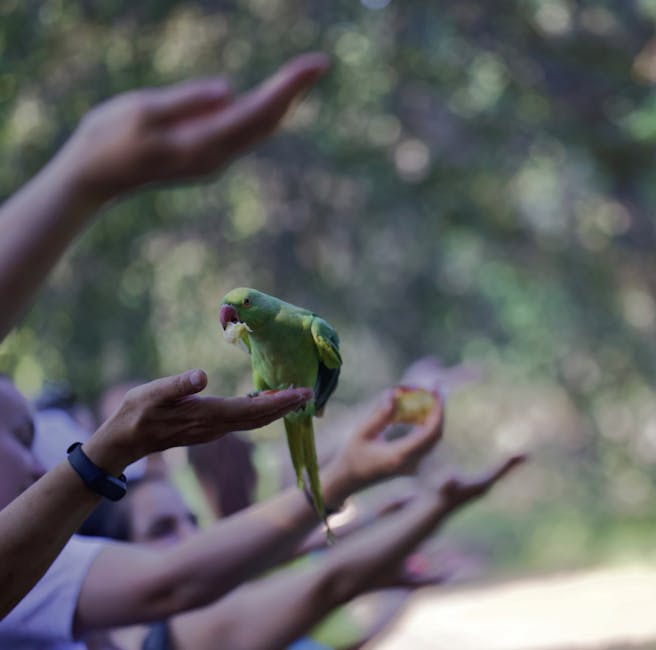
Parakeets, known for their colorful plumage and sociable nature, typically live between 5 to 15 years. However, with the right care and environment, they can thrive far beyond this approximation and live up to 20 years or more. Numerous factors affect a parakeet’s lifespan: their diet, healthcare regimen, habitat, stress levels, and social interaction. Throughout this article, these elements will be explored in depth, shedding light on the intricacies of extending a parakeet’s lifespan.
Factors Influencing a Parakeet’s Lifespan
Just like any living creature, parakeets’ lifespans can vary widely based on numerous variables. Three key factors include:
– Proper nutrition: Imagine trying to live only on fast food. Your health would deteriorate fast, right? The same is true for parakeets. They need a balanced diet to thrive, insufficient nutrition can considerably shorten their life.
– Regular veterinary care: Early detection of potential health problems is vital. Regular check-ups can help diagnose and treat any wellness issues that may harm your parakeet.
– Safe and enriched environment: Parakeets are highly active and intelligent creatures. They thrive in spaces that allow them to explore, play, and engage their curious minds.
– Stress management: Chronic stress can negatively impact a parakeet’s life expectancy. Unnecessary disturbances, abrupt changes in routine, or a noisy environment can lead to stress.
Aging Signs in Parakeets
As your parakeet matures, keep an eye out for signs of old age. It’s not just about counting the years; understanding the age-related changes in your pet’s physical health and behavior is essential. Common signs of aging in parakeets include:
– Feather color or texture changes: Aging parakeets might showcase duller feather colors or changes in feather structure.
– Decreased activity levels: Similar to humans, parakeets might become less active and enthusiastic with age.
– Changes in vocalizations: Older parakeets might demonstrate different vocal habits than their younger counterparts.
Proper Nutrition for a Long, Healthy Parakeet Life
A balanced diet plays a crucial role in enhancing and extending a parakeet’s life. Unfortunately, many parakeet owners tend to underestimate this factor. To ensure your parakeet receives the right nutrition, consider the following checklist:
– Fresh vegetables and fruits: These provide essential vitamins and nutrients that are vital for a parakeet’s health.
– Good quality birdseed: Birdseed should not be the entirety of a parakeet’s diet but served as a supplement to fruits and vegetables.
– Clean, fresh water: Always ensure your parakeet has access to fresh, clean water.
– Avoid high-fat and high-sugar foods: Treats are okay in moderation, but too much fat and sugar can harm a parakeet’s health.
Forgetting about any of the points on this checklist can lead to malnutrition or obesity, both of which can significantly impact a parakeet’s lifespan. Remember, a bird doesn’t live by seed alone!
Regular Veterinary Care for Parakeets
Parakeets, like any pet, require regular veterinary care for optimum health. Ensuring your parakeet gets regular check-ups can help detect any health issues early and take necessary preventative measures. To improve your parakeet’s healthcare, consider these pro tips:
– Schedule regular check-ups: Make annual wellness checks a part of your parakeet’s routine. More frequent visits might be needed with aging or illness.
– Keep an eye out for changes in behavior or appearance: These can be early indications of illness. Monitor your parakeet’s behavior, eating habits, and check for any physical changes.
– Ensure vaccinations are up-to-date: Parakeets are susceptible to various viral diseases. Regular vaccinations can protect them from potential health risks.
Always remember, an ounce of prevention is worth a pound of cure. Regular checks may seem tedious, but they could be a lifesaver.
The Impact of Environment and Socialization on Parakeet Lifespan
Parakeets are not just caged birds; they enjoy interaction and need a stimulating environment. Here’s how you can create a suitable environment and socialize your pet:
– Avoid cold, draughty or overly hot locations for cages: Parakeets are delicate creatures. Try to place their cage in a spot with a stable, comfortable temperature.
– Mimic natural environments – plenty of perches, toys, etc.: Parakeets thrive amidst a diverse range of perches, climbing toys, and puzzles that engage them both physically and mentally.
– Spend time socializing with your parakeet or consider having another parakeet for company: Social interaction is crucial for parakeets’ emotional well-being which, in turn, impacts their lifespan.
In conclusion, a parakeet’s lifespan cannot be reduced to mere numbers. It encapsulates a complex interaction of factors like diet, healthcare, environment, stress management, and social interaction. As responsible pet owners, it’s our privilege to optimize these conditions to help our feathery friends lead a full and satisfying life. Remember, when taken care of properly, these vibrant creatures can be part of your family for many wonderful years.
Key Takeaway:
- Parakeet lifespan ranges from 5 to 20 years or more, influenced significantly by diet, healthcare, environment, stress management, and social interaction.
- Proper nutrition is critical to a parakeet’s health and lifespan, emphasizing fresh fruits and vegetables, good quality birdseed, clean water, and avoidance of high-fat, high-sugar foods.
- Regular veterinary care and preventive health measures significantly contribute to a longer lifespan.
- Creating an optimal habitat that mimics the natural environment and allows social interaction further enhances a parakeet’s well-being and lifespan.
Your feathered companion can enjoy a long, healthful, and satisfying life through careful care and attention. With balanced nutrition, regular veterinary care, a conducive home environment, and plenty of social interaction, your parakeet will not just survive but thrive. It’s an enriching and rewarding endeavor watching these playful birds flourish under your loving care.
FAQs
Q: What is the longest recorded lifespan of a parakeet?
A: While exceptional, some parakeets have been known to live past 20 years with exceptional care and favorable conditions.
Q: How quickly can I observe changes when improving my parakeet’s diet and environment?
A: Changes due to improved care might not be noticeable immediately. However, given a few weeks, you should start witnessing increased energy levels and better overall health of your parakeet.
Q: Are there any specific signs of distress I should look out for in my aging parakeet?
A: Key signs include changes in feather color or texture, decreased activity levels, and alterations in vocalizations. If fainting or recurrent sickness is noticed, consult your vet immediately.
Q: What specific foods are bad for my parakeet’s health?
A: Avoid feeding your parakeet alcohol, caffeine, chocolate, avocados, and any food high in salt, sugar, or fat, as these can severely harm their health.
Q: How often should I get my parakeet vaccinated?
A: This can vary, but generally, an annual vaccination schedule is recommended. Consult with your veterinary practitioner for a tailored vaccination schedule for your parakeet.
Sharing this article with other parakeet enthusiasts and exploring more posts on our website will undoubtedly enrich your understanding of these delightful creatures.