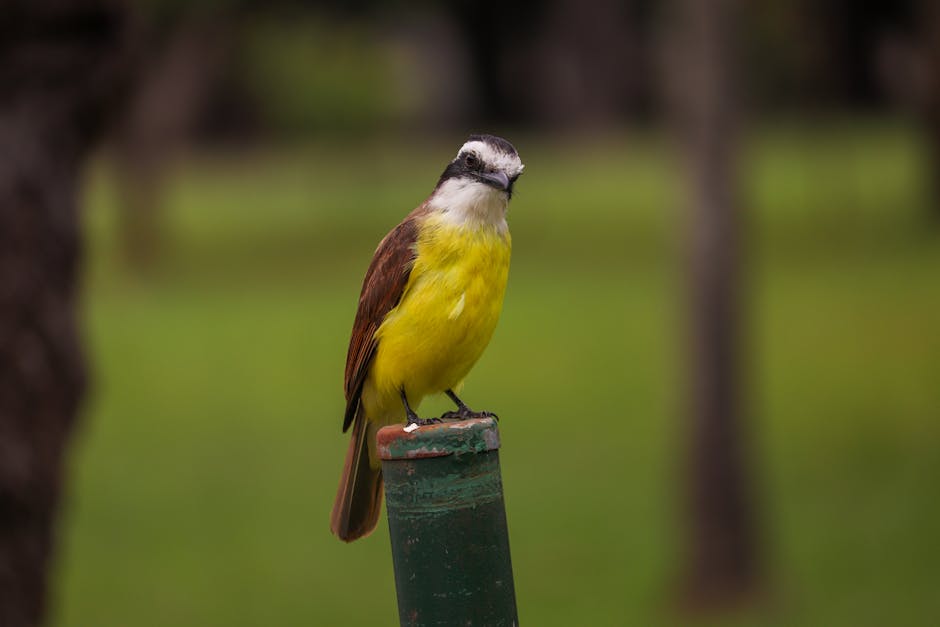
Birdwatching is a splendid activity that gets you outdoors and appreciating the world’s diverse avian species. However, like any new hobby, starting can feel daunting. With this guide, we’ll get you started on the right foot (or wing!).
Understanding Birdwatching Basics
Birdwatching, or birding, is simply observing and identifying birds in their natural habitats. However, it’s more than just a casual glimpse; it’s about immersing yourself in nature and respecting the balance that exists there.
Birdwatchers come equipped with a unique vocabulary, which can feel like a language of its own. Here are a few basic terms:
- Binoculars: Your lens to the bird’s world.
- Species: Identifying different types of birds.
- Bird calls: The unique sounds birds make.
While thrilling, it’s important to keep in mind that our feathered friends are part of an environment that we must respect. Always follow the mantra, Leave no trace. Dispose of any waste, maintain a respectful distance from birds and their nests, and refrain from using flash photography which may distress birds.
Choosing the Right Gear for Birdwatching
The right equipment can significantly improve your birding experience. Key items to consider are:
- Binoculars: A good pair of binoculars brings you closer to the action, making it easier to identify species from afar.
- Field guides: These provide valuable information on bird species and their characteristics.
- Notebook: To jot down observations and learnings.
- Comfortable clothing: Dress for the weather and terrain.
- Snacks: Birdwatching can sometimes involve a long wait!
When choosing binoculars, consider factors such as weight, size, magnification, and lens quality. An ideal pair is lightweight, compact, offers clear vision, and fits comfortably in your hand.
There’s a variety of field guides available, each offering a unique perspective and wealth of information. Some are region-specific, while others cover a wide array of species. Select one that matches your birding location and interest.
Picking the Perfect Birdwatching Location
Different environments support different bird species. Therefore, conscientiously selecting your birdwatching location adds to the fruitfulness of your exploration. While making a choice, consider the geographic area, diversity of bird species, and availability of designated birdwatching spots.
The wonder of birdwatching is that every season brings different species to sight. While spring is highly rewarding with migratory birds returning home, each season has its unique offerings. Stay attuned to the calendar of the avian world!
Identifying Birds Correctly During Birdwatching
The world of birds is diverse and colorful. While it might seem difficult at first, identifying birds can become second nature with time and practice. Lookout for distinct features such as color, shape, size, beak type, habitat, and listen carefully to their unique calls.
No birdwatcher is complete without a good bird guide. Using this tool effectively can significantly aid your birding journey. When in doubt, cross-check your observations with the guide. And remember, it’s okay not to know all the answers instantly; it’s part of the journey!
For tech-savvy birders, there’s a multitude of bird identification apps available. Choose one that’s user-friendly, comprehensive, and aligns with your geographical area. Some apps even allow you to note your sightings!
Improving Your Birdwatching Skills
Birdwatching is not about instant gratification; it’s a study in patience and curiosity. As a beginner, start by identifying commonly occurring local species. Join local birdwatching clubs or take part in birding activities to exchange notes and learn from fellow enthusiasts. Keeping a birdwatching journal captures your observations, progress, and makes for a great keepsake!
When birdwatching, immerse yourself in the experience. Eliminating distractions will help you to maintain focus. Dawn and dusk are typically the best times for birdwatching, as birds are most active during these ‘golden hours.’
Birdwatching can be a solo pursuit or a group activity. Solo birding provides a chance to deeply connect with nature, while group birdwatching can be a fun, sociable activity. Consider your preference and enjoy the enriching world of birds!
Embrace the Birdwatching Adventure
Birdwatching can be an exciting, rewarding hobby that connects you with nature in a profound way. Don’t be daunted by the learning curve — embrace it! The more active a birder you become, the more remarkable secrets nature will reveal. Begin your birdwatching journey today and embark on an adventure of a lifetime! Remember, the early birder catches the view. Happy birding!
Key Takeaway:
- Birdwatching is a rewarding hobby that piques curiosity and provides a deeper connection with nature. It is crucial to respect the wildlife and their habitats during birdwatching.
- Suitable gear such as binoculars, field guides, and comfortable clothing considerably enhance the birdwatching experience.
- A good birdwatching location depends on factors like geographic area, diversity of bird species and the presence of designated birdwatching spots.
- Identifying bird species can be challenge due to their diverse features, but it becomes easier with time and practice. Bird guides and identification apps can be handy tools for beginners.
- Improving birdwatching skills requires patience, practice and involvement in birdwatching communities. Both solo and group birdwatching have their own advantages and can be chosen based on personal preference.
Birdwatching not only enhances your understanding and appreciation of the avian world, but also brings you closer to nature. As a beginner, it’s normal to find it overwhelming. But remember, with patience and continuous practice, you will gradually master the art. Embrace the journey as much as the destination. Happy birdwatching!
FAQs
Q: How can I attract birds for better birdwatching?
A: Planting native plants and trees that produce berries or seeds can attract birds. Providing fresh water and bird feeders can also be effective.
Q: Do weather conditions affect birdwatching?
A: Yes, weather and climatic conditions can influence bird behavior and migration patterns, and hence, your birdwatching experience.
Q: Is birdwatching possible in urban areas?
A: Absolutely! Many species of birds live in urban areas, making city parks and gardens perfect for birdwatching.
Q: Does the time of day affect birdwatching?
A: Yes, early mornings and late afternoons, known as ‘golden hours’, usually see high bird activity and are considered the best times for birdwatching.
Q: Are there specific binoculars for birdwatching?
A: While regular binoculars work fine, those designed for birdwatching often have better magnification and light-capturing capabilities providing clearer and closer views.
Encourage readers to share the article and delve deeper into the exciting hobby of birdwatching with more posts on our website.