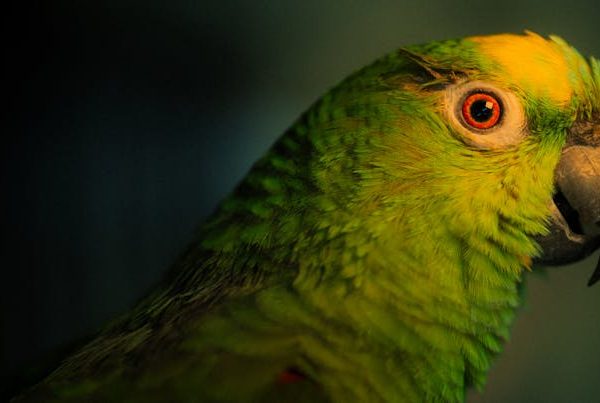
Parakeets, also known colloquially as budgies, are enchanting little creatures usually sought after for their vibrant colors, social nature, and compelling vocal abilities. However, much like all living beings, they can resort to protective action when they perceive danger or unease. And yes, this defensive action often implies bites.
To the unprepared owner, a biting parakeet might bring up alarm or apprehension, typically accompanied by the pressing question, Do parakeet bites hurt? To assuage, and hopefully prevent these concerns, we must discuss the complexity of these feathered friends’ attitudes.
First and foremost, does a parakeet’s bite hurt? Well, it’s not a one-size-fits-all answer. For some, a parakeet’s bite might be no more than a slight pinch, while for more sensitive individuals, this same bite could register as painful.
A parakeet’s bite force can also be influenced by several factors, such as their breed, size, and state of mind. For instance, a larger parakeet species like the Alexandrine parakeet can deliver a sharper bite than the smaller budgerigar parakeet. Equally important to note is that an agitated or scared parakeet will likely bite harder than a calm, content bird.
Reasons Why Parakeets Bite
To develop a more amicable relationship with your bird, you must first decode the reasons behind their biting habit. Just as humans use words, parakeets use beaky nibbles for communication. Often, these bites come from a place of fear, dominance assertion, territorial behavior, or simply miscommunication.
For instance, if a parakeet bites when an unfamiliar hand enters their cage, it could be a sign of fear or territorial instincts. Similarly, if your pet bites during play sessions, it could be a dominance assertion attempt or mere enthusiasm improperly channeled.
Identifying the root cause of your parakeet’s biting behavior enables you to address the problem constructively, thereby reducing the chances of painful nips. Some common reasons for parakeet bites include:
- Fear: Common in newly adopted birds or when exposed to sudden changes.
- Dominance: Parakeets often bite to establish or assert their rank, especially during adolescence.
- Territoriality: Biting could be a way of defending their space, such as their birdcage.
- Excitement or Overstimulation: Excessive strokes or playful activities might lead to excitement bites.
- Miscommunication: If a parakeet’s subtle cues are dismissed, they resort to biting.
Understanding each of these motivations can provide valuable insight into averting painful encounters, and more importantly, lay the groundwork for a more harmonious bond.
How to Prevent Parakeet Bites
Knowing why parakeets bite is halfway to preventing the behavior, and it’s essential to merge this understanding with effective techniques to avoid being nipped. The most critical part of this process is cultivating trust and respect, which aids in calm interaction and communication.
One of the first steps you can take involves learning the bird’s body language. Parakeets tend to show visible signs before they bite, such as pinning their eyes, puffing up, or lunging. If spotted, these signs give you enough time to withdraw or change your approach to mitigate a bite.
Further, providing your bird with a safe, spacious environment contributes significantly towards averting territorial nips. Remember to make their cage homely with various toys, enough flying space, and a balanced diet. Such a stress-free environment typically results in reduced biting. Lastly, invest in proper training that focuses on positive reinforcement.
Prevention is always better than cure – and with the right approach, parakeet bites can be substantially minimized.
First Aid for Parakeet Bites
Despite the best of precautions and methods, accidents can still happen and you may end up on the receiving end of a parakeet bite. Should this occur, it’s crucial to know how to handle the situation promptly and correctly to prevent infection or complications.
First things first, clean the bite wound immediately with warm water and mild soap. Once cleansed, apply an over-the-counter antibiotic ointment and cover it with a sterile bandage. And while parakeet bites are generally harmless, they can cause some skin damage depending on the bird’s size, the bite’s intensity, and your personal pain threshold.
If the bite does not heal or seems to be worsening even after appropriate care, it’s advisable to seek medical attention. Moreover, keep an eye out for signs indicating possible complications, such as persistent redness, swelling, or puss.
First Aid Steps for Parakeet Bites:
- Clean the wound with warm water and mild soap.
- Apply an over-the-counter antibiotic ointment to the bite area.
- Cover the wound with a sterile bandage.
- If the bite shows no signs of improvement or worsens, consult a healthcare professional.
Training Your Parakeet Not to Bite
As the saying goes, an ounce of prevention is worth a pound of cure. And in the case of parakeet bites, a consistent and patient training approach can achieve wonders in curtailing unwelcome nips.
One of the most effective strategies to train your parakeet not to bite involves positive reinforcement. This method encourages good behavior by rewarding the bird whenever it behaves appropriately. Over time, the parakeet learns to associate good conduct, such as not biting, with positive outcomes, such as treats or affection.
Simultaneously, it is important to avoid unintentionally rewarding biting behavior. For example, if your parakeet bites to avoid a situation or because it wants attention, reacting dramatically or immediately backing off reinforces this bad habit. Instead, maintain a calm demeanor and carefully disengage.
Training a parakeet isn’t an overnight process, and it certainly calls for plenty of patience, persistence, and repetition. A successful training experience not only results in a bite-free relationship but also engenders a deep bond of mutual respect and understanding between you and your feathered friend.
Training Steps and Best Practices:
- Identify the reason behind your parakeet’s biting tendency.
- Implement the technique of positive reinforcement – reward good behavior and ignore unwanted reactions.
- Avoid inadvertently rewarding the bird when it bites by reacting dramatically or backing off.
- Remain patient and consistent in your training efforts.
- Enrich the parakeet’s environment with various stimuli to keep it occupied and less bored, reducing the chance of biting tendencies.
In conclusion, while parakeet bites can hurt, understanding and addressing the reasons behind this behavior can help foster a loving, bite-free relationship. The key to success lies in understanding your bird’s motivations, speaking their body language, and implementing the right training techniques. With these in play, parakeets can indeed make for some of the most delightful companions.
Key Takeaway:
- The pain from a parakeet bite varies depending on the bird’s breed, size, and state of mind, as well as the individual’s sensitivity.
- Understanding the reasons behind why parakeets bite – such as fear, dominance, territorial behaviour, overstimulation, or miscommunication – can help prevent painful nips.
- Techniques such as learning your bird’s body language, providing a suitable environment, and patient, consistent training can effectively reduce the chances of bites.
- Immediate cleaning and proper care is essential in treating parakeet bites. Seek medical attention if the bite does not heal or worsens.
- Successfully training a parakeet not to bite – through positive reinforcement and avoiding unintentional rewards to bad behaviour – fosters a deep bond of mutual respect and understanding between you and your feathered friend.
Your parakeet is not out to hurt you, even when it uses its beak a little harder than you’d like. By understanding its behavior and mental state, you can create a bond built on trust and respect that minimises biting incidents. Remember, patience, consistency, and positive reinforcement are the best tools you can use when living and interacting with these beautiful birds.
FAQs
Q: What do I do if my parakeet bites a guest or another family member?
A: Firstly, don’t panic. Calmly remove the bird from the person. Then, examine the person’s response to the bird before the bite. Often, the bird might have been scared or felt invasive due to unfamiliar interaction. Teaching your guests or family members about how to interact with the bird will prevent future incidents.
Q: My parakeet is biting its own feet, is this normal?
A: This might be a sign of discomfort or health issues. It’s advisable to consult a vet if your bird is consistently biting its own feet.
Q: Can a parakeet bite cause any disease or infection?
A: While rare, bacterial infections from bird bites are possible. Cleaning the bite wound properly and monitoring it for signs of infection is essential.
Q: How long does it take to train a parakeet not to bite?
A: The time varies depending on the individual bird. It’s a process that requires patience and consistency – but with effective positive reinforcement, you should notice progress over time.
Q: Do parakeet bites hurt other pets like dogs and cats?
A: Just like humans, the pain caused by a parakeet bite varies on the pet’s size, tolerance, and sensitivity, as well as the bird’s state of mind. If your parakeet bites another pet, monitor the site for any signs of distress, discomfort, or infection.
Share this article with anyone dealing with a biting bird and explore more posts on our website to learn about dealing with different behaviours and tendencies.