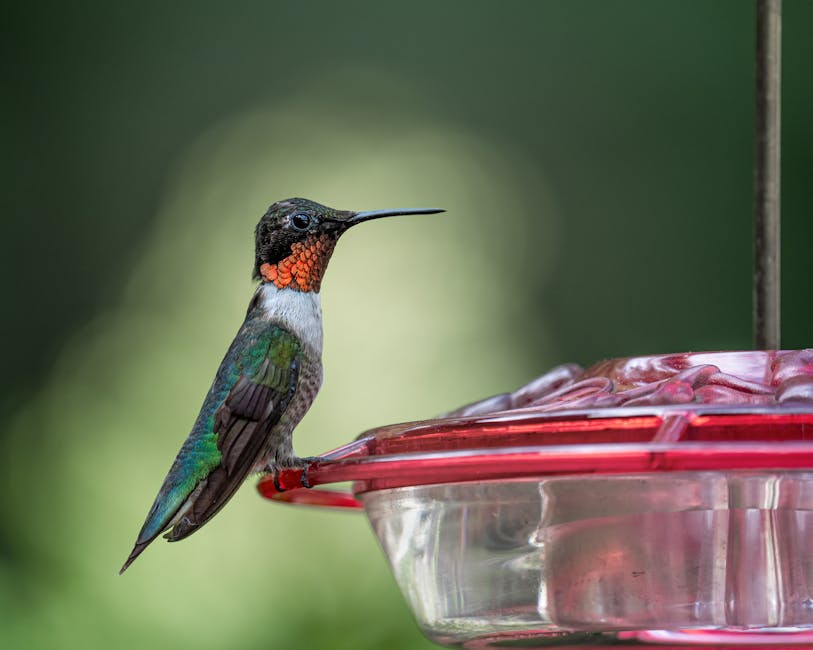
Having a hummingbird feeder in your garden is a great way to attract these vibrant, beautiful creatures. The thrill of having them flit about in delightful abandon and feasting on the nectar can be quite an experience. However, their allure is not lost on ants which are notorious in terrorizing hummingbird feeders. The sweet nectar is a powerful attractant, leading to annoying invasions of these insects. But no need to brood; keeping ants away from your hummingbird feeder is achievable with the right knowledge and a few simple strategies.
Understanding Why Ants are Attracted to Hummingbird Feeders
Ants exhibit a behavior known as chemotaxis, an attractive force towards certain chemicals, and sugar is one of those chemicals. Many species of ants have a sweet tooth and the sugary nectar in hummingbird feeders is comparable to an open invitation for a feast. The appeal lies not only in the sweetness of the nectar but also in the moisture and humidity present around the feeder, which ants need to thrive.
Problems Caused by Ants at Hummingbird Feeders
While ants play crucial roles in our ecosystem- from aerating soil to controlling other pests- they aren’t a welcomed sight at hummingbird feeders. They not only compete with hummingbirds for the nectar but also pose other problems. For one, hummingbirds won’t feed from an infested feeder due to their instinctual fear of insects. Ants can also potentially spread diseases or contaminate the nectar resulting in poor hygiene at the feeders.
- Empty the feeder every few days, or more frequently during hot weather
- Wash thoroughly with warm soapy water, rinse, and allow it to dry before refilling
- Clean around the feeding ports with a small brush to remove any remaining residue
Simple Measures to Keep Ants Away from the Feeder
Keeping ants away from your hummingbird feeder doesn’t require expensive products or complicated procedures. Basic household items and conscientious practices can be quite effective. For instance, an ant moat, a water-filled barrier, can be placed above the feeder to prevent ants from reaching it. Keeping your feeders spotless, dry, and changing nectar frequently can also discourage ant visitations.
Advanced Preventive Measures against Ants
If basic measures don’t seem to work for your particular ant problem, there are more advanced methods you can strategize. Ant guards or ant baffles, for example, are devices designed to prevent ants from climbing down the chain or wire your feeder is hanging from. There are also specially designed ant-proof hummingbird feeders available on the market, which come with built-in ant deterrent features.
| Ant Guard | Ant-Proof Hummingbird Feeder | |
|---|---|---|
| Cost | Reasonable | Higher, due to built-in feature |
| Availability | Widely available online and in local stores | Limited options, but growing due to demand |
| Effectiveness | Vary based on models and ant species | Generally effective due to specialised design |
- Assess the severity of your ant problem
- Choose either an ant guard or ant-proof feeder based on need and budget
- Read and carefully follow manufacturers’ instructions for installation
- Monitor frequently and make adjustments if needed
Non-Harmful Methods to Keep Ants at Bay
In your quest to keep ants away from your hummingbird feeder, remember to be a responsible steward to nature by choosing non-harmful deterrent methods. This can include natural strategies like using cinnamon, which ants dislike, or simply placing the feeder away from ant trails.
Remember, ants are an important part of our ecosystem and their presence means they are playing their role in nature’s cycle. Hence, it is best to discourage them from the feeder, rather than trying to eliminate them altogether.
| Cinnamon | Placement Away From Trails | |
|---|---|---|
| Cost | Inexpensive | Free |
| Availability | Readily available in most kitchens | Depends on layout of your garden |
| Effectiveness | Varies from one ant species to another | Effective, as long as new trails don’t cross the new feeder location |
Enjoy the charms of your little feathered friends without the bother of ants. By implementing these methods, you can ensure an ant-free hummingbird feeder and a garden buzzing with the delightful sight and sounds of hummingbirds.
Key Takeaway:
- Ants are attracted to hummingbird feeders due to the sugar content and the moisture and humidity around the feeder. Observing ant behavior could assist in countering them more effectively.
- Ants at hummingbird feeders pose multiple problems, such as the spread of diseases, deterrence to hummingbirds, and poor hygiene due to contamination. Regular feeder cleaning helps to control ant infestation.
- Simple measures like using an ant moat, keeping the feeder clean and dry, changing the nectar frequently, and hanging the feeder on a fishing line can prevent ants from invading the feeder.
- Advanced measures such as ant guards, ant baffles, and specialized ant-proof hummingbird feeders are impactful solutions.
- Non-harmful methods like using cinnamon and placing the feeder away from ant trails are considerate of the ecological role of ants.
The enchantment of hummingbirds coming to your garden shouldn’t be tarnished by annoying ants. The beauty of nature is balance and coexistence, and there are many simple, cost-effective, and non-harmful strategies to maintain this. Remember to observe, adjust and enjoy the result.
FAQs
Q: What kind of sugar should I use in my hummingbird feeder to deter ants?
A: Pure white cane sugar is best for hummingbird feeders. Avoid using honey, brown sugar or other sweeteners as they may attract more ants and harm the birds.
Q: Are there specific types of hummingbird feeders that are less attractive to ants?
A: Yes, ant-proof hummingbird feeders with built-in deterrent features are available in the market. They are specifically designed to keep ants away.
Q: Will using cinnamon to deter ants harm the hummingbirds in any way?
A: No, using cinnamon around the feeder to deter ants will not harm the hummingbirds.
Q: Besides ants, what other insects could be attracted to hummingbird feeders?
A: Other insects that could be attracted to hummingbird feeders include bees, wasps, and spiders.
Q: If ants persist after employing these strategies, what should be my next step?
A: If ants persist, you might consider seeking advice from a local pest control professional who could suggest safe yet effective solutions.
Enjoyed this article? Share it around and explore more articles on our website!