Bird watching is a delightful activity made all the more thrilling by attracting a variety of beautiful birds to your yard. One pivotal detail potentially influencing the variety of feathered friends frequenting your yard is the color of your bird feeder. So, what are the top bird feeder colors that bring more birds to your space? We dive into the fascinating realm of bird psychology, the impacts of different color spectrums, and helpful tips to maximize your avian attraction.
The Psychology of Birds and Colors
Believe it or not, birds have an exceptional color vision that plays a critical role in their survival and behavior—even impacting their attraction to bird feeders. The brightness, saturation, and contrast of a bird feeder can all significantly affect its allure.
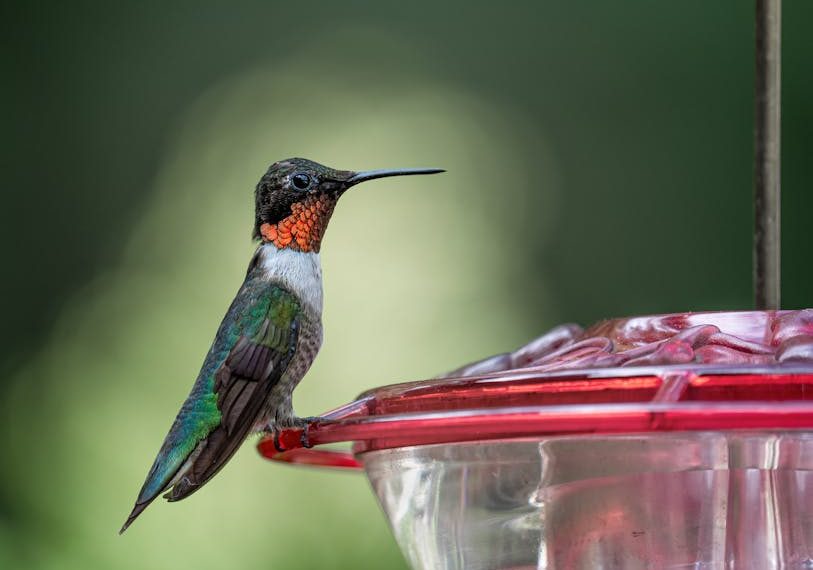
- Red and orange hues tend to draw in hummingbirds, known for their affinity for nectar-rich, brightly colored blooms.
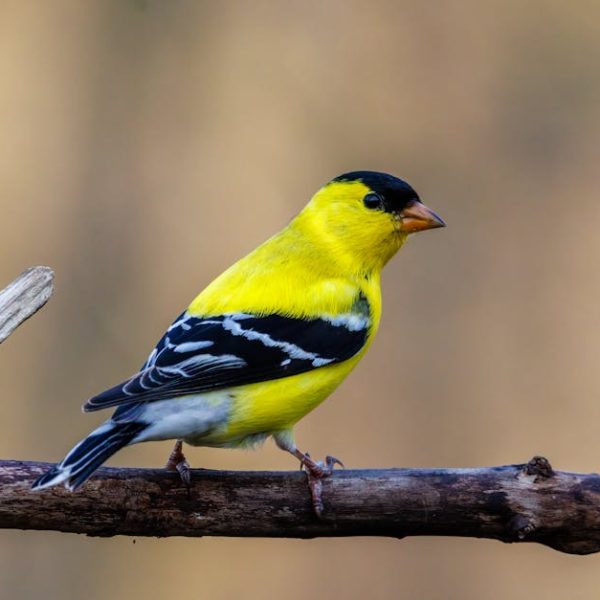
- Yellow, often associated with seeds and fruits, might attract seed-eating birds like finches and sparrows.
- Blue and purple might appeal to insect-eating birds, since many bugs are attracted to flowers of these colors.
- Natural colors like green and brown can attract a large variety of birds by blending seamlessly into a bird’s natural environment.
The Impact of Red and Yellow Colored Bird Feeders
Red and yellow bird feeders are vibrant and eye-catching. This makes them remarkably effective at attracting specific bird species. Hummingbirds, for instance, are attracted to red due to their natural inclination towards red, tubular flowers filled with sweet nectar.
- In comparison, yellow feeders tend to attract an array of seed-eating birds, from goldfinches to yellow warblers, who are drawn to yellow as it mimics the color of ripe fruits and seeds.
The Effectiveness of Blue and Purple Bird Feeders
The cooler end of the spectrum, featuring blues and purples, is as effective in offering an irresistible attraction to your feathered friends. This spectrum is especially appealing to insect-eating birds, as these colors mirror the ones exhibited by many nectar-filled blooms that attract insects.
- Birds readily attracted to blue and purple feeders include Blue Jays, Indigo Buntings, and even some species of woodpeckers and orioles.
The Allure of Green and Brown Bird Feeders
Green and brown colored bird feeders offer an understated elegance that is incredibly alluring to a wide breadth of bird species. By way of blending seamlessly into a bird’s natural habitat, these colors reduce the apprehension of visiting birds. The synergy with nature presents a safe environment for more skittish types of birds, encouraging them to comfortably explore the feeder.
- Species that are particularly drawn to these earth-toned feeders include thrushes, sparrows, crows, and robins.
| Green Feeders | Brown Feeders |
|---|---|
| Mourning Doves | Carolina Wren |
| Spotted Towhee | Eastern Bluebird |
| Dark-eyed Junco | Black-capped Chickadee |
Using Multicolored or Patterned Bird Feeders
Harnessing the power of multiple colors, multicolored or patterned bird feeders can lure an exciting mix of bird species to your yard. Their vibrant unpredictability is fascinating to birds, and the array of colors can make your yard feel like a delightful birdscape.
- Types of multicolored or patterned bird feeders and the specific birds they attract can include stained glass options which attract hummingbirds, mosaic feeders that sparrows favor, and striped or polka-dotted feeders that titmice and chickadees enjoy.
In conclusion, the color of your bird feeder can indeed determine the type and variety of bird species you’ll attract in your yard. By aligning your bird feeder color choices with the natural preferences of the species local to your area, you can maximize visits from your feathered friends. So let’s paint the skies with birds, one feeder at a time.
Key Takeaway:
- Different bird species are attracted to different feeder colors, making color selection critical in attracting a variety of birds to your yard.
- Vibrant colors like red and yellow attract specific species like hummingbirds and finches, fantastic for those who want to attract certain types.
- Subdued natural tones like green and brown appeal to a wide variety of bird species. These colors, blending with the environment, provide a sense of safety for visiting birds.
- Multicolored or patterned bird feeders can attract an exciting mix of bird species, making the yard feel like a diverse and lively birdscape.
Birdwatching, one of the simplest pleasures in life, rewards patience with a colorful flutter of wings, vibrant songs, and delightful interactions in your own yard. By choosing the right bird feeder color, you can attract a wealth of bird species, turning your yard into a safe haven for these feathered friends. Remember to factor in the local species, their preferences, and create a balanced, attractive environment for them.
FAQs
Q: How can we attract specific birds to our yard?
A: Study the preferences of your desired bird species. Certain birds are attracted to specific feeder colors. For example, hummingbirds are known to be drawn to red feeders.
Q: Why aren’t birds visiting my bright red feeder?
A: Ensure the feeder is in a safe, quiet part of your yard. Although birds are attracted to bright colors, they also need to feel safe from predators.
Q: Can green and brown bird feeders attract birds?
A: Absolutely! Natural colors like green and brown can attract a wide variety of birds due to their ability to blend in with the bird’s natural environment, creating a sense of safety.
Q: How can I attract more species to my bird feeder?
A: Incorporate a mix of different feeder colors or consider using multicolored or patterned bird feeders. This creates a richly colored environment that can attract a variety of species.
Q: Should I stick to one bird feeder color?
A: Not necessarily. While it can be helpful to stick to tried and true color combinations, don’t be afraid to experiment. Mixing it up and observing the results can lead you to finding the perfect bird feeder color combination for your yard.
Let us know which color worked best for you, and don’t forget to share this article with fellow bird lovers. Explore more insightful posts on our website, and let’s keep attracting those beautiful birds!